Water-saving toilets, also known as low-flow or high-efficiency toilets (HETs), are increasingly used in residential and commercial properties. Their primary advantage is water conservation. Traditional toilets consume between 3.5 and 7 gallons per flush, whereas modern water-saving models use approximately 1.28 gallons or less per flush.
This reduction in water consumption helps preserve water resources and lowers water expenses for households and businesses. In areas experiencing water scarcity, water-saving toilets contribute to sustainable water management practices. Beyond environmental benefits, water-saving toilets incorporate advanced technology that improves functionality.
Many models include dual-flush systems that allow users to select a lower volume flush for liquid waste or a higher volume flush for solid waste. This option increases water efficiency while accommodating different user requirements. Additionally, water-saving toilets feature optimized bowl designs and flushing mechanisms that effectively remove waste, addressing concerns about the performance of low-flow models.
Consequently, modern water-saving toilets provide both an environmentally responsible option and a dependable solution for sanitation.
How to Choose the Right Water-Saving Toilet for Your Bathroom
Selecting the right water-saving toilet involves several considerations that go beyond just water efficiency. First and foremost, it is essential to assess the space available in your bathroom. Toilets come in various shapes and sizes, including compact models designed for smaller spaces and standard sizes that fit most bathrooms.
Measuring the area where the toilet will be installed is crucial to ensure a proper fit, especially in tight quarters where maneuverability may be limited. Another important factor to consider is the toilet’s flushing technology. There are primarily two types of flushing systems: gravity-fed and pressure-assisted.
Gravity-fed toilets rely on the force of gravity to move waste through the plumbing system, while pressure-assisted toilets use pressurized air to create a more powerful flush. While gravity-fed models are generally quieter and less expensive, pressure-assisted toilets can provide a more effective flush with less water. Evaluating your household’s specific needs, such as the number of users and the frequency of use, can help determine which flushing system will work best for your situation.
The Installation Process: What You Need to Know
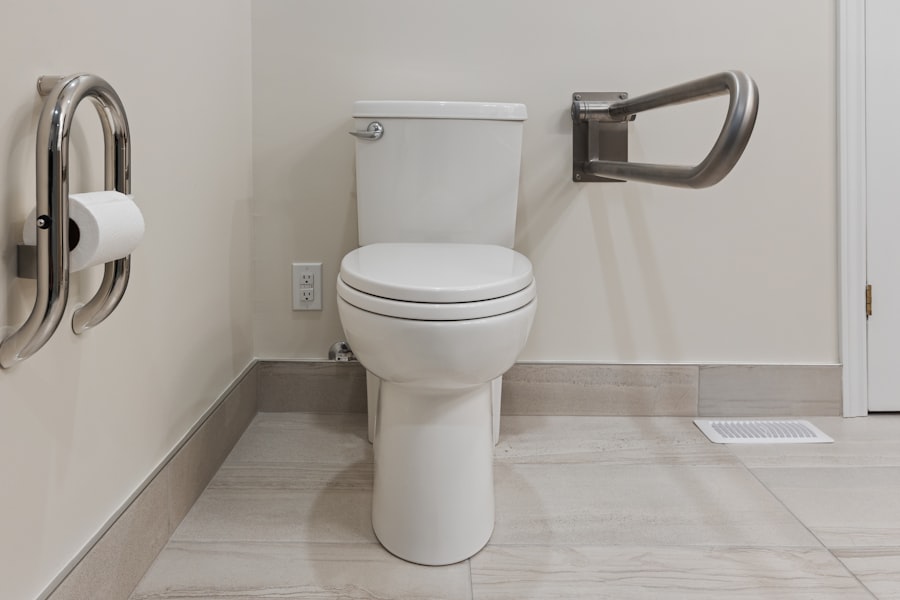
Installing a water-saving toilet can be a straightforward process, but it does require some preparation and knowledge of plumbing basics. Before beginning the installation, it is essential to gather all necessary tools and materials, including a wrench, screwdriver, level, and plumber’s tape. Additionally, having a new wax ring and bolts for securing the toilet to the floor is crucial, as these components are often replaced during installation.
The first step in the installation process is to remove the old toilet. This involves turning off the water supply, draining the tank and bowl, and disconnecting the water line. Once the old toilet is removed, it is important to clean the flange on the floor thoroughly to ensure a proper seal for the new toilet.
After placing the new wax ring on the flange, carefully position the new toilet over it, aligning the bolts with the holes in the base of the toilet. Once secured, reconnect the water supply line and turn on the water to test for leaks. It is advisable to check for any issues after flushing several times to ensure everything is functioning correctly.
Understanding Water Efficiency Ratings for Toilets
Water efficiency ratings are critical when evaluating toilets for their environmental impact and performance. The most recognized standard for measuring toilet efficiency is the gallons per flush (GPF) metric. Toilets that use 1.6 GPF or less are considered high-efficiency models, while those using 1.28 GPF or less are classified as ultra-high-efficiency toilets (UHETs).
Understanding these ratings can help consumers make informed decisions about which models will best meet their needs while conserving water. In addition to GPF ratings, consumers should also look for certifications from organizations such as WaterSense, which is a program by the U.S. Environmental Protection Agency (EPA).
WaterSense-labeled toilets meet rigorous criteria for both performance and efficiency, ensuring that they provide effective waste removal while using significantly less water than traditional models. By choosing a WaterSense-certified toilet, homeowners can be confident that they are making an environmentally responsible choice without sacrificing performance.
Tips for Maintaining and Caring for Water-Saving Toilets
| Metric | Old Toilet | Water-Saving Model | Improvement |
|---|---|---|---|
| Average Water Usage per Flush | 3.5 to 7 gallons | 1.28 to 1.6 gallons | Up to 70% reduction |
| Annual Water Usage | 12,000 gallons | 4,000 gallons | 8,000 gallons saved |
| Installation Time | Not applicable | 1 to 3 hours | New installation required |
| Cost Range | Not applicable | 100 to 400 | Initial investment |
| Water Savings per Year | Not applicable | Up to 8,000 gallons | Significant environmental impact |
| Potential Annual Cost Savings | Not applicable | Varies by water rates | Reduced water bills |
Proper maintenance is essential for ensuring that water-saving toilets continue to function efficiently over time. Regular cleaning is one of the most straightforward ways to maintain a toilet’s performance. Using non-abrasive cleaners can help prevent buildup of mineral deposits and stains that can affect flushing efficiency.
It is advisable to clean both the bowl and tank periodically, paying special attention to areas where grime may accumulate. Another important aspect of maintenance involves checking for leaks or malfunctions in the flushing mechanism. Homeowners should periodically inspect the flapper valve in the tank, as wear and tear can lead to leaks that waste water.
If any issues are detected, replacing worn parts promptly can prevent further damage and maintain optimal performance. Additionally, adjusting the water level in the tank can help ensure that each flush uses an appropriate amount of water without compromising effectiveness.
The Environmental Impact of Water-Saving Toilets
The environmental impact of adopting water-saving toilets extends far beyond individual households; it contributes significantly to broader conservation efforts. In regions facing drought or limited freshwater resources, reducing water consumption through efficient plumbing fixtures can alleviate pressure on local water supplies. For instance, if every household in a community replaced their traditional toilets with high-efficiency models, it could lead to millions of gallons of water saved annually.
Moreover, reducing water usage has positive implications for wastewater treatment facilities as well. Lower volumes of wastewater mean reduced energy consumption associated with treatment processes and less strain on infrastructure designed to handle sewage disposal. This not only leads to cost savings for municipalities but also minimizes environmental pollution associated with wastewater discharge into natural bodies of water.
Cost Savings: How Water-Saving Toilets Can Lower Your Water Bill
Investing in a water-saving toilet can lead to substantial cost savings over time, particularly in areas where water rates are high or where conservation measures are incentivized by local governments. The average household can save approximately 20-60% on their annual water bill by switching from a traditional toilet to a high-efficiency model. For example, if a family typically spends $500 annually on water bills, transitioning to a low-flow toilet could result in savings of $100 or more each year.
In addition to direct savings on water bills, many utility companies offer rebates or incentives for homeowners who install water-efficient fixtures as part of broader conservation initiatives. These programs can help offset initial costs associated with purchasing and installing new toilets, making them an even more attractive option for budget-conscious consumers. Over time, these savings can accumulate significantly, making water-saving toilets not only an environmentally responsible choice but also a financially savvy one.
Common Misconceptions About Water-Saving Toilets
Despite their growing popularity, several misconceptions about water-saving toilets persist among consumers that may deter them from making the switch. One common myth is that low-flow toilets do not flush effectively compared to traditional models. However, advancements in flushing technology have led to significant improvements in performance.
Many modern low-flow toilets utilize innovative designs that enhance flushing power while using less water, effectively dispelling this myth. Another misconception is that installing a water-saving toilet requires extensive plumbing modifications or professional installation services. While some installations may require adjustments depending on existing plumbing configurations, many homeowners find that they can successfully install these toilets themselves with basic tools and knowledge.
Additionally, manufacturers often provide detailed instructions that simplify the process further. By addressing these misconceptions through education and awareness campaigns, more consumers may be encouraged to embrace water-saving toilets as a viable option for their homes and businesses.
FAQs
Why should I replace my old toilet with a water-saving model?
Replacing an old toilet with a water-saving model can significantly reduce water consumption, lower your water bills, and contribute to environmental conservation by conserving water resources.
How much water can I save by switching to a water-saving toilet?
Water-saving toilets typically use 1.28 gallons per flush (GPF) or less, compared to older models that can use 3.5 to 7 gallons per flush. This can save thousands of gallons of water annually per household.
What types of water-saving toilets are available?
Common types include dual-flush toilets, which offer two flush options for liquid and solid waste, and high-efficiency toilets (HETs) that use less water per flush while maintaining performance.
Is it difficult to replace an old toilet with a water-saving model?
Replacing a toilet is generally a straightforward DIY project if you have basic plumbing skills. However, professional installation is recommended if you are unfamiliar with plumbing or want to ensure proper fitting and sealing.
Do water-saving toilets perform as well as older models?
Modern water-saving toilets are designed to provide effective flushing performance while using less water. Many models have been tested and certified to meet performance standards.
Are there any rebates or incentives for installing water-saving toilets?
Many local governments and water utilities offer rebates or incentives for upgrading to water-saving toilets. Check with your local water provider or government website for available programs.
What should I consider before purchasing a water-saving toilet?
Consider factors such as flush performance, water efficiency ratings, toilet height and size, bowl shape, and compatibility with your bathroom plumbing.
Can I install a water-saving toilet myself?
If you have experience with plumbing and basic tools, you can install a water-saving toilet yourself by following manufacturer instructions. Otherwise, hiring a licensed plumber is advisable.
How long does it take to replace an old toilet with a new one?
The replacement process typically takes 1 to 3 hours, depending on your experience and whether any plumbing modifications are needed.
Will replacing my toilet affect my home’s water pressure?
Replacing a toilet with a water-saving model generally does not affect water pressure. However, if you experience pressure issues, consult a plumber to assess your home’s plumbing system.