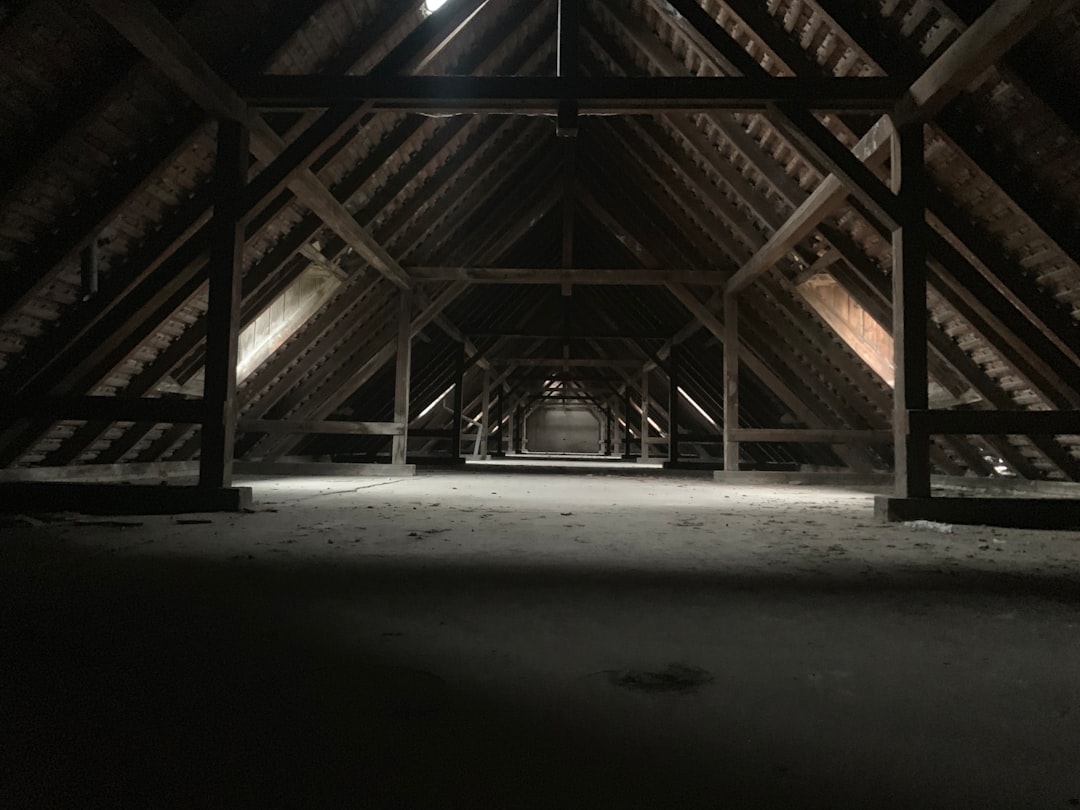
Transforming attics into playrooms and study spaces offers practical advantages that improve home functionality. A primary benefit is optimized space utilization. Many homes contain underused attics that primarily serve storage purposes.
Converting these areas into functional rooms allows homeowners to expand their living space, providing children with dedicated areas for play and learning. This reduces clutter throughout the home and establishes an environment where children can pursue activities that develop creativity and cognitive skills. Additionally, attics typically offer isolation and independence for children.
A playroom or study space located in an attic functions as a private area where children can focus on their interests with minimal household distractions. This separation can encourage responsibility and personal investment in their activities, promoting self-directed learning and play. Furthermore, a designated study area helps children develop improved concentration and focus, which are critical for academic performance.
Safety Considerations for Attic Transformations
When considering an attic transformation, safety must be a paramount concern. Attics often present unique challenges, such as limited access points and potential structural issues. Before embarking on any renovation, it is crucial to assess the structural integrity of the attic space.
This includes checking for adequate support beams, ensuring that the flooring can handle the weight of furniture and occupants, and verifying that the roof is free from leaks or damage. Consulting with a structural engineer or a qualified contractor can provide valuable insights into necessary reinforcements or modifications. Another critical safety consideration is ventilation.
Attics can become hot and stuffy, especially during warmer months, which can lead to discomfort and health issues. Proper ventilation systems should be installed to ensure a steady flow of fresh air. Additionally, if the attic will be used as a playroom, it is essential to childproof the space.
This includes securing heavy furniture to walls to prevent tipping, covering electrical outlets, and ensuring that windows are fitted with safety locks or screens to prevent falls. By addressing these safety concerns upfront, homeowners can create a secure environment for children to play and study.
Design Ideas for Attic Playrooms and Study Spaces
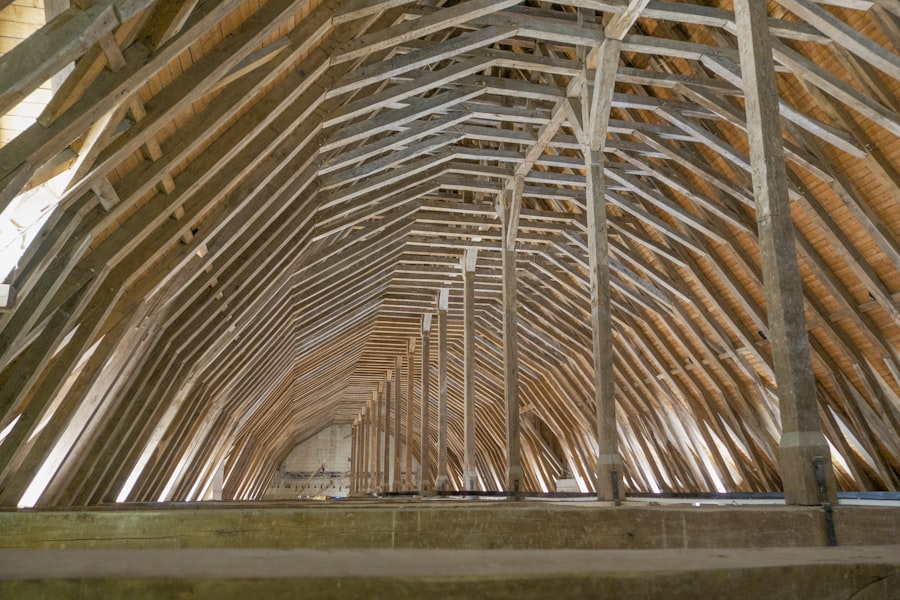
The design of an attic playroom or study space should reflect both functionality and creativity. One popular approach is to incorporate built-in furniture that maximizes space while providing ample storage. For instance, custom shelving units can be designed to fit snugly under sloped ceilings, offering a place for books, toys, and art supplies without taking up valuable floor space.
Additionally, multi-functional furniture such as foldable desks or convertible sofas can adapt to various activities, making the room versatile for both play and study. Color schemes also play a vital role in setting the mood of an attic space. Bright, cheerful colors can invigorate a playroom, inspiring imagination and energy.
Conversely, softer hues may be more suitable for a study area, promoting calmness and focus. Wall decals or murals can add a whimsical touch to playrooms, while educational posters or maps can enhance the learning environment in study spaces. Incorporating elements like bean bags or floor cushions can create cozy nooks for reading or relaxing, making the attic an inviting place for children to spend time.
Utilizing Natural Light in Attic Transformations
Natural light is a crucial element in any room design, particularly in attics where artificial lighting may not suffice. Maximizing natural light not only enhances the aesthetic appeal of the space but also contributes to the overall well-being of its occupants. Skylights are an excellent option for attics, allowing sunlight to flood the room while providing stunning views of the sky.
They can also help regulate temperature by allowing hot air to escape during warmer months when opened. In addition to skylights, strategically placed windows can significantly improve light levels in an attic space. If possible, consider installing larger windows or even dormer windows that extend out from the roofline.
This not only increases natural light but also creates additional headroom and usable space within the attic. To further enhance the brightness of the room, using light-colored paint on walls and ceilings can reflect sunlight effectively. Incorporating mirrors into the design can also amplify natural light by bouncing it around the room, creating an airy and open atmosphere.
Storage Solutions for Attic Playrooms and Study Spaces
| Metric | Recommended Value/Standard | Notes |
|---|---|---|
| Minimum Ceiling Height | 7 feet (2.13 meters) | Ensures comfortable headroom for play or study activities |
| Insulation R-Value | R-38 to R-49 | Maintains temperature control and energy efficiency |
| Ventilation Rate | 0.35 air changes per hour (ACH) | Prevents moisture buildup and maintains air quality |
| Electrical Outlets | 1 outlet per 12 square feet | Ensures sufficient power supply for devices and lighting |
| Fire Safety | Smoke detectors installed & accessible escape route | Complies with local fire codes for safety |
| Floor Load Capacity | 40 pounds per square foot (psf) | Supports furniture and active use safely |
| Window Size | Minimum 5.7 square feet of opening | Provides natural light and emergency egress |
| Lighting Level | 300-500 lux | Optimal for reading and play activities |
Effective storage solutions are essential in maximizing the functionality of attic playrooms and study spaces. Given that attics often have unique architectural features such as sloped ceilings and limited floor space, creative storage options are necessary to keep the area organized and clutter-free. Built-in cabinetry is one solution that can be tailored to fit specific dimensions while providing ample storage for toys, books, and school supplies.
These cabinets can be designed with doors to conceal clutter or left open for easy access to frequently used items. Another innovative storage idea is utilizing vertical space through wall-mounted shelves or pegboards. These options not only save floor space but also allow for easy organization of materials such as art supplies or educational tools.
Baskets or bins can be used on shelves to categorize items while maintaining a tidy appearance. Additionally, under-bed storage solutions can be employed if there is enough height in the attic; this could include rolling drawers or boxes that slide easily beneath beds or seating areas.
Creating a Functional and Comfortable Environment in Attic Spaces
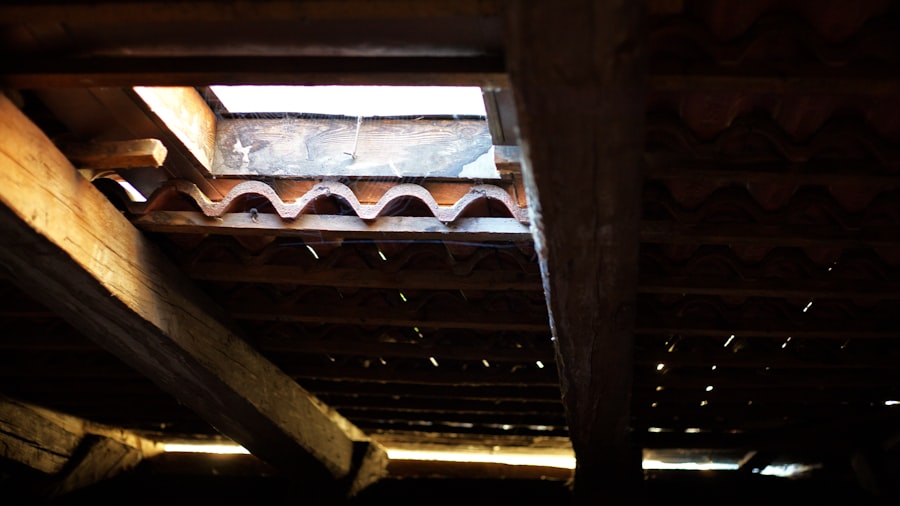
Creating a functional and comfortable environment in an attic requires careful consideration of both layout and furnishings. The arrangement of furniture should promote ease of movement while accommodating various activities such as studying, playing games, or engaging in arts and crafts. Zoning the space into distinct areas—such as a reading nook, a study corner with a desk, and an open area for play—can help define each function while maintaining an overall cohesive design.
Comfort is equally important; selecting appropriate furnishings can make a significant difference in how inviting the space feels. Soft rugs can provide warmth underfoot while also defining different areas within the room. Ergonomic chairs are essential for study spaces to ensure proper posture during long hours of homework or reading sessions.
Additionally, incorporating elements like cushions or bean bags can create cozy spots for relaxation or group activities. Ensuring that the temperature is comfortable year-round through adequate insulation and heating/cooling options will further enhance the usability of the attic.
Budget-Friendly Tips for Attic Transformations
Transforming an attic into a functional playroom or study space doesn’t have to break the bank; there are numerous budget-friendly strategies that homeowners can employ. One effective approach is to repurpose existing furniture rather than purchasing new items. For example, an old dresser can be transformed into a creative storage solution with a fresh coat of paint and new hardware.
Similarly, second-hand furniture from thrift stores or online marketplaces can be refurbished to fit the desired aesthetic without incurring high costs. DIY projects are another excellent way to save money while adding personal touches to the attic transformation. Simple tasks such as painting walls, creating custom shelving units from reclaimed wood, or sewing cushion covers can significantly reduce expenses while allowing homeowners to express their creativity.
Additionally, shopping during sales or using discount retailers for materials can help keep costs down without sacrificing quality.
Maintaining Attic Playrooms and Study Spaces for Long-Term Use
Once an attic has been transformed into a playroom or study space, ongoing maintenance is essential to ensure its longevity and continued functionality. Regular cleaning should be part of the routine; dust accumulation in attics can be significant due to their often-closed-off nature. Establishing a cleaning schedule that includes dusting surfaces, vacuuming floors, and checking for any signs of moisture or pests will help maintain a healthy environment.
Furthermore, periodic assessments of furniture and storage solutions are necessary to ensure they remain safe and functional over time. As children grow, their needs will change; thus, it may be necessary to adapt the space accordingly by swapping out toys for more age-appropriate items or upgrading furniture to accommodate different activities. By staying proactive about maintenance and updates, homeowners can ensure that their attic playrooms and study spaces remain enjoyable and useful for years to come.
FAQs
What are the key safety considerations when renovating an attic into a playroom or study space?
When renovating an attic, ensure proper structural support, adequate insulation, ventilation, and safe electrical wiring. Install secure railings on staircases, use non-toxic materials, and provide sufficient lighting to create a safe environment.
How can I ensure proper ventilation in an attic renovation?
Proper ventilation can be achieved by installing vents such as ridge vents, soffit vents, or gable vents. Using windows that open or mechanical ventilation systems like exhaust fans can also help maintain air quality and prevent moisture buildup.
Is it necessary to check the attic’s structural integrity before renovation?
Yes, it is essential to have a professional assess the attic’s structural integrity to ensure it can support the additional weight of furniture, people, and any new construction materials used in the renovation.
What types of insulation are recommended for attic playrooms or study spaces?
Common insulation options include fiberglass batts, spray foam, and rigid foam boards. The choice depends on climate, budget, and space constraints, but all should provide adequate thermal resistance and help with soundproofing.
How can I make the attic space child-friendly and safe?
Use rounded furniture edges, secure heavy items to walls, install safety gates at stairways, use non-slip flooring, and ensure electrical outlets are childproofed. Also, avoid small objects that could be choking hazards.
Do I need permits for renovating an attic into a living space?
Most local building codes require permits for attic renovations, especially if structural changes, electrical work, or plumbing are involved. Check with your local building authority before starting the project.
What lighting options are best for attic playrooms or study areas?
Natural light through skylights or windows is ideal. Supplement with energy-efficient LED lighting, including overhead lights and task lighting such as desk lamps, to ensure a well-lit and comfortable space.
How can I maximize storage in a renovated attic?
Use built-in shelves, under-eave storage, and multi-functional furniture like benches with storage compartments. Custom cabinetry can also help utilize awkward spaces efficiently.
What flooring materials are suitable for attic renovations?
Lightweight, durable, and easy-to-clean flooring options such as engineered wood, laminate, or carpet tiles are commonly used. Ensure the flooring is properly installed over a moisture barrier and insulated subfloor.
How do I address heating and cooling in an attic playroom or study space?
Extend existing HVAC systems if possible, or use ductless mini-split units, portable heaters, or fans. Proper insulation and ventilation also help maintain comfortable temperatures year-round.