
Hydration is a fundamental aspect of human health that often goes overlooked in the hustle and bustle of daily life. Water is not merely a beverage; it is a vital component of our biological systems, playing a crucial role in nearly every physiological process. From regulating body temperature to facilitating digestion and nutrient absorption, water is indispensable.
The human body is composed of approximately 60% water, and this percentage can vary based on factors such as age, sex, and body composition. This high water content underscores the necessity of maintaining adequate hydration levels to support overall health and well-being. Moreover, hydration is essential for cognitive function.
Studies have shown that even mild dehydration can impair concentration, alertness, and short-term memory. This is particularly relevant in environments that demand mental acuity, such as workplaces or academic settings. Dehydration can lead to fatigue, mood swings, and decreased performance, making it imperative to prioritize fluid intake throughout the day.
In essence, staying hydrated is not just about quenching thirst; it is about optimizing physical and mental performance.
Key Takeaways
- Proper hydration is essential for overall health and well-being
- The amount of water you need varies based on factors such as age, gender, and activity level
- Factors like climate, exercise, and illness can affect your daily water intake
- Signs of dehydration include dark urine, dry mouth, and fatigue
- Proper hydration can improve physical performance, mood, and cognitive function
How Much Water Do You Really Need?
Determining the exact amount of water one needs can be a complex endeavor, as it varies significantly from person to person. The commonly cited guideline of eight 8-ounce glasses of water per day—often referred to as the “8×8 rule”—is a simplistic approach that may not apply universally. The National Academies of Sciences, Engineering, and Medicine suggests a more nuanced recommendation: about 3.7 liters (or 13 cups) for men and 2.7 liters (or 9 cups) for women daily, which includes all beverages and food sources.
This guideline takes into account the diverse needs of individuals based on their lifestyle, activity level, and environmental conditions. Additionally, the need for water can fluctuate based on various factors such as exercise intensity, climate, and even altitude. For instance, individuals engaging in vigorous physical activity or those living in hot climates may require significantly more water to compensate for fluid loss through sweat.
Conversely, those who consume a diet rich in fruits and vegetables may derive a substantial portion of their hydration from food sources, potentially reducing their need for additional water intake. Therefore, while general guidelines provide a useful starting point, it is essential to listen to your body and adjust your fluid intake accordingly.
Factors that Affect Your Daily Water Intake
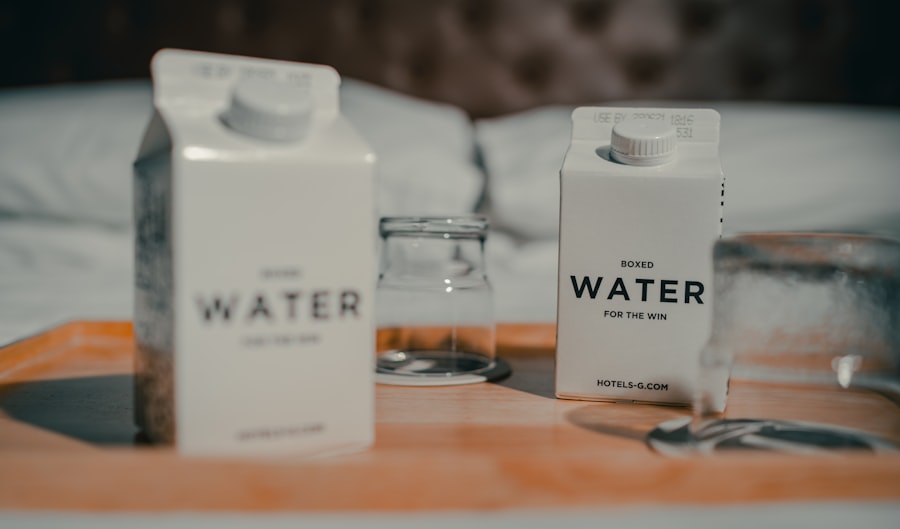
Several factors influence an individual’s daily water requirements beyond just basic guidelines. One of the most significant determinants is physical activity level. Engaging in exercise increases perspiration and respiratory water loss, necessitating higher fluid intake to maintain hydration.
Athletes or individuals who partake in strenuous workouts should be particularly vigilant about replenishing fluids before, during, and after exercise to prevent dehydration and optimize performance. Environmental conditions also play a critical role in hydration needs. Hot and humid weather can lead to increased sweating, while high altitudes can cause rapid breathing and increased urination, both of which contribute to fluid loss.
Additionally, certain health conditions such as fever, vomiting, or diarrhea can exacerbate dehydration risks, requiring individuals to increase their fluid intake significantly during illness. Medications can also affect hydration levels; diuretics, for example, promote increased urine production and may necessitate additional water consumption to counteract potential dehydration.
Signs of Dehydration to Look Out For
| Signs of Dehydration | Description |
|---|---|
| Dark yellow urine | Urine color is a good indicator of hydration levels. Dark yellow urine may indicate dehydration. |
| Dry mouth and lips | Feeling thirsty and having dry mouth and lips are common signs of dehydration. |
| Dizziness | Feeling lightheaded or dizzy can be a sign of dehydration. |
| Fatigue | Dehydration can lead to feelings of tiredness and fatigue. |
| Decreased urine output | Producing less urine than usual can be a sign of dehydration. |
Recognizing the signs of dehydration is crucial for maintaining optimal health. Early symptoms can be subtle but are often indicative of insufficient fluid intake. Common initial signs include thirst, dry mouth, and decreased urine output.
A noticeable change in urine color can also serve as a warning sign; dark yellow or amber urine typically indicates dehydration, while pale yellow urine suggests adequate hydration. As dehydration progresses, symptoms may become more severe and include fatigue, dizziness, confusion, and headaches. In extreme cases, dehydration can lead to serious complications such as heat exhaustion or heat stroke, particularly in vulnerable populations like the elderly or those with chronic health conditions.
It is essential to be proactive about hydration by monitoring these signs and taking corrective action before reaching critical levels of dehydration.
The Benefits of Proper Hydration
The advantages of maintaining proper hydration extend far beyond quenching thirst; they encompass a wide array of health benefits that contribute to overall well-being. One of the most significant benefits is improved physical performance. Adequate hydration enhances endurance during exercise by regulating body temperature and maintaining blood volume.
This is particularly important for athletes who rely on optimal hydration levels to achieve peak performance during training and competition. In addition to physical benefits, proper hydration has profound effects on cognitive function. Studies have demonstrated that even mild dehydration can impair attention span, memory retention, and overall cognitive performance.
Staying hydrated can enhance mood stability and reduce feelings of anxiety or irritability. Furthermore, adequate fluid intake supports digestive health by aiding in the breakdown of food and preventing constipation. The benefits of hydration are multifaceted; they encompass physical vitality as well as mental clarity.
Tips for Meeting Your Daily Water Intake
Stay Hydrated on-the-go
One effective method is to carry a reusable water bottle throughout the day. Having water readily available serves as a constant reminder to drink more frequently.
Set Goals and Eat Hydrating Foods
Setting specific goals—such as finishing a certain amount of water by midday—can also help individuals stay accountable to their hydration needs. Incorporating hydrating foods into your diet is another excellent way to boost overall fluid intake. Fruits such as watermelon, oranges, and strawberries have high water content and can contribute significantly to daily hydration goals.
Establish a Hydration Routine
Similarly, vegetables like cucumbers and lettuce are excellent choices for maintaining hydration levels while providing essential nutrients. Additionally, establishing a routine around drinking water—such as having a glass with each meal or snack—can help create lasting habits that promote consistent hydration.
Common Myths About Hydration
Despite the wealth of information available on hydration, several myths persist that can lead to confusion regarding proper fluid intake. One prevalent myth is that all fluids are equally hydrating; while it is true that beverages like tea and coffee contribute to overall fluid intake, they may also have diuretic effects that could counteract hydration efforts if consumed excessively. It is essential to prioritize water as the primary source of hydration while being mindful of other beverages’ potential impacts.
Another common misconception is that thirst is an adequate indicator of hydration status. While thirst does signal the body’s need for fluids, it may not always be reliable—especially in older adults whose thirst response may diminish with age. Relying solely on thirst can lead to inadequate hydration levels over time.
Instead, individuals should adopt a proactive approach by regularly monitoring their fluid intake and being aware of other signs of dehydration.
How to Track and Monitor Your Water Intake
Tracking water intake can be an effective way to ensure you meet your daily hydration goals consistently. Various methods exist for monitoring fluid consumption; one popular approach involves using mobile apps designed specifically for this purpose. These apps allow users to log their daily water intake easily and set reminders to drink throughout the day.
Alternatively, individuals can use simple techniques such as marking measurements on a water bottle or keeping a journal to record their fluid consumption manually. Some people find it helpful to establish visual cues—such as filling a large pitcher with their daily water goal at the beginning of the day—to create a tangible reminder of their hydration objectives. Regardless of the method chosen, consistent tracking fosters awareness around hydration habits and encourages individuals to prioritize their fluid intake effectively.
In conclusion, understanding the importance of hydration is essential for maintaining optimal health and well-being. By recognizing individual needs based on various factors and being aware of signs of dehydration, individuals can take proactive steps toward achieving proper hydration levels. With practical tips for meeting daily water intake goals and debunking common myths surrounding hydration, individuals are better equipped to prioritize this vital aspect of their health journey.
FAQs
What is the recommended daily water intake?
The recommended daily water intake varies depending on factors such as age, sex, activity level, and climate. However, a general guideline is to drink about 8-10 cups (64-80 ounces) of water per day.
What factors can influence the amount of water a person should drink?
Factors that can influence the amount of water a person should drink include their age, sex, weight, activity level, climate, and overall health.
What are the health benefits of staying properly hydrated?
Staying properly hydrated can help maintain bodily functions, regulate body temperature, improve digestion, support kidney function, and promote healthy skin.
Can you drink too much water?
Yes, it is possible to drink too much water, which can lead to a condition called hyponatremia. This occurs when the balance of electrolytes in the body is disrupted due to excessive water intake.
What are some signs of dehydration?
Signs of dehydration include dark yellow urine, dry mouth, fatigue, dizziness, and decreased urine output. It’s important to drink water throughout the day to prevent dehydration.