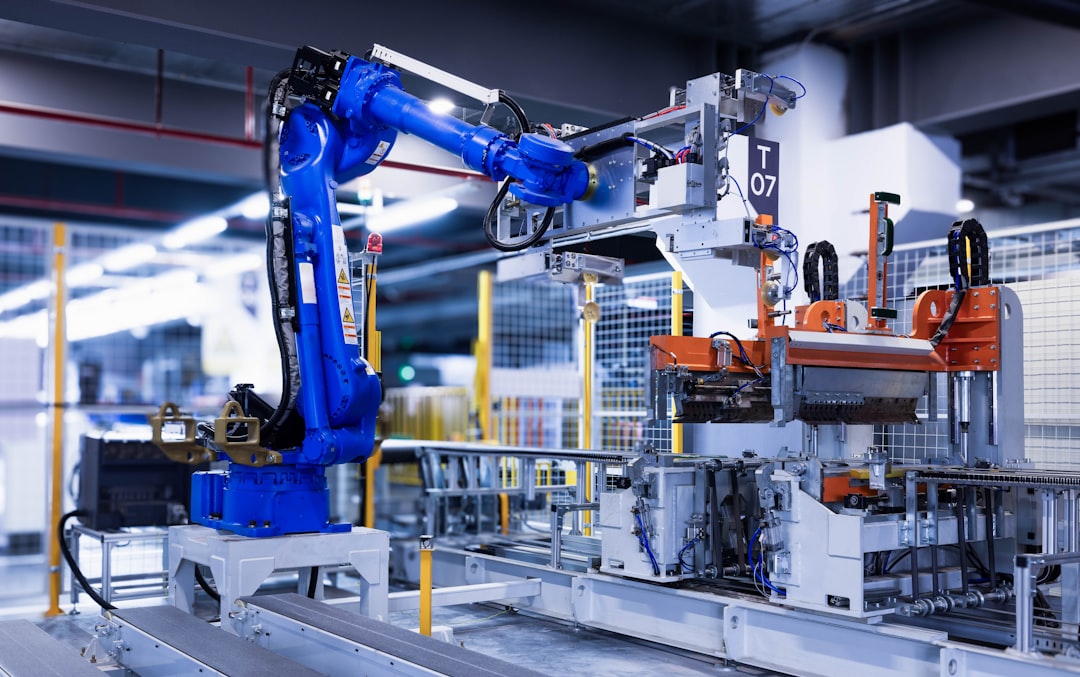
In contemporary business environments, automation has become a significant transformative technology, particularly within customer service operations. The incorporation of automated systems into customer service represents a fundamental change in business-customer interactions rather than a temporary development. Automation includes various technologies such as artificial intelligence, machine learning, chatbots, and automated response systems, all intended to increase operational efficiency and enhance customer satisfaction.
As businesses respond to rising consumer expectations, automation tools have become necessary for competitive advantage. The expansion of digital communication channels has increased the demand for automation in customer service. Since customers require immediate responses and round-the-clock availability, conventional methods of managing inquiries and complaints prove inadequate.
Automation enables businesses to address customer needs quickly and precisely, decreasing response times and improving customer experience overall. Through technological implementation, organizations can optimize their operations while simultaneously collecting important data about customer behavior and preferences, allowing them to customize their services more appropriately.
Benefits of Streamlining Customer Service Tasks
Streamlining customer service tasks through automation offers a multitude of benefits that can significantly enhance operational efficiency. One of the most notable advantages is the reduction in response times. Automated systems can handle routine inquiries instantly, allowing human agents to focus on more complex issues that require personal attention.
For instance, a customer seeking information about store hours or product availability can receive immediate answers through an automated chatbot, freeing up human resources for more nuanced interactions. This not only improves customer satisfaction but also optimizes the workload of customer service teams. Moreover, automation contributes to cost savings for businesses.
By minimizing the need for extensive human intervention in routine tasks, companies can reduce labor costs while maintaining high service levels. For example, a company that implements an automated ticketing system can efficiently manage customer inquiries without the need for a large team of support agents. This efficiency translates into lower operational costs and allows businesses to allocate resources more strategically.
Additionally, automation can lead to increased accuracy in handling customer requests, as automated systems are less prone to human error, ensuring that customers receive consistent and reliable information.
Types of Customer Service Tasks that Can be Automated

A wide range of customer service tasks can be effectively automated, each contributing to a more efficient and responsive service model. One of the most common applications is in handling frequently asked questions (FAQs). Businesses can deploy chatbots or virtual assistants that are programmed to provide instant responses to common queries about products, services, or policies.
For instance, an e-commerce website might use a chatbot to assist customers with questions about shipping times or return policies, significantly reducing the volume of inquiries directed to human agents. Another area ripe for automation is ticket management. Automated ticketing systems can categorize and prioritize customer inquiries based on predefined criteria, ensuring that urgent issues are addressed promptly while less critical matters are queued appropriately.
This system not only streamlines the workflow for customer service teams but also enhances the overall customer experience by ensuring timely resolutions. Additionally, automation can be applied to follow-up communications, where automated emails or messages are sent to customers after their inquiries have been resolved, soliciting feedback or providing additional information about related products or services.
Implementing Automation in Customer Service
The implementation of automation in customer service requires careful planning and execution to ensure that it aligns with organizational goals and enhances the customer experience. The first step in this process is conducting a thorough assessment of existing customer service operations. Businesses should identify repetitive tasks that consume significant time and resources and evaluate which of these tasks could benefit from automation.
This assessment should involve input from customer service representatives who can provide insights into pain points and areas where automation could alleviate workload pressures. Once potential automation opportunities have been identified, organizations must select appropriate technologies that fit their specific needs. This may involve choosing between off-the-shelf solutions or developing custom software tailored to unique business requirements.
For example, a company may opt for a widely used chatbot platform that integrates seamlessly with its existing systems or invest in developing a proprietary solution that offers advanced features tailored to its customer base. After selecting the technology, businesses should focus on training staff to work alongside automated systems effectively. This includes educating employees on how to leverage automation tools to enhance their productivity and improve customer interactions.
Choosing the Right Automation Tools for Customer Service
| Metric | Description | Before Automation | After Automation | Improvement |
|---|---|---|---|---|
| Average Response Time | Time taken to respond to customer inquiries | 12 hours | 2 hours | 83% reduction |
| First Contact Resolution Rate | Percentage of issues resolved on first contact | 65% | 85% | 20 percentage points increase |
| Customer Satisfaction Score (CSAT) | Customer rating of service experience | 72% | 90% | 18 percentage points increase |
| Number of Tickets Handled per Agent | Average tickets resolved by each agent daily | 20 | 35 | 75% increase |
| Cost per Ticket | Average cost to resolve a customer ticket | 15 | 7 | 53% reduction |
| Automation Coverage | Percentage of tasks automated in customer service | 0% | 60% | 60 percentage points increase |
Selecting the right automation tools is crucial for maximizing the benefits of automation in customer service. Organizations must consider several factors when evaluating potential solutions. First and foremost, compatibility with existing systems is essential; any new tool should integrate smoothly with current software platforms to avoid disruptions in service delivery.
For instance, if a company uses a specific customer relationship management (CRM) system, it should seek automation tools that can easily connect with that CRM to ensure seamless data flow. Another critical consideration is scalability. As businesses grow and evolve, their customer service needs may change significantly.
Therefore, it is vital to choose automation tools that can scale alongside the organization. A small business may start with basic chatbot functionality but may require more advanced features as its customer base expands. Additionally, user-friendliness is paramount; tools should be intuitive enough for both customers and staff to navigate without extensive training.
Finally, organizations should evaluate the level of support provided by vendors, as ongoing assistance can be invaluable during implementation and beyond.
Best Practices for Integrating Automation into Customer Service

Integrating automation into customer service requires adherence to best practices to ensure a smooth transition and optimal outcomes. One key practice is to maintain a human touch even in automated interactions. While automation can handle many tasks efficiently, customers often appreciate personalized communication.
Businesses should design automated responses that reflect their brand voice and allow for easy escalation to human agents when necessary. For example, an automated system might initially address a customer’s inquiry but offer an option to speak with a representative if the issue remains unresolved. Another best practice involves continuous monitoring and optimization of automated systems.
Organizations should regularly analyze performance metrics such as response times, resolution rates, and customer satisfaction scores to assess the effectiveness of their automation efforts. This data-driven approach enables businesses to identify areas for improvement and make necessary adjustments to enhance service quality continually. Additionally, soliciting feedback from customers regarding their experiences with automated interactions can provide valuable insights into how well these systems are meeting their needs.
Overcoming Challenges in Automating Customer Service Tasks
Despite the numerous advantages of automating customer service tasks, organizations may encounter several challenges during implementation. One significant hurdle is resistance from employees who may fear job displacement due to automation. To address this concern, businesses should communicate transparently about the role of automation in enhancing rather than replacing human jobs.
Emphasizing that automation is intended to alleviate repetitive tasks allows employees to focus on higher-value interactions can help mitigate fears and foster a more positive attitude toward new technologies. Another challenge lies in ensuring that automated systems are capable of handling complex inquiries effectively. While chatbots and automated response systems excel at managing straightforward questions, they may struggle with nuanced issues requiring human empathy and understanding.
To overcome this limitation, organizations should implement hybrid models where automated systems handle initial inquiries but seamlessly transfer more complicated cases to human agents when necessary. This approach not only preserves the efficiency gained through automation but also ensures that customers receive the personalized attention they need for more intricate problems.
Future Trends in Automation for Customer Service
As technology continues to advance at an unprecedented pace, the future of automation in customer service promises exciting developments that will further enhance the way businesses interact with their customers. One emerging trend is the increased use of AI-driven analytics to personalize customer experiences. By analyzing vast amounts of data from various sources, AI can provide insights into individual customer preferences and behaviors, enabling businesses to tailor their interactions accordingly.
For instance, an AI system might recommend products based on previous purchases or browsing history, creating a more engaging shopping experience. Another trend is the rise of omnichannel support powered by automation. Customers today engage with brands across multiple platforms—social media, email, chat apps—often expecting seamless transitions between these channels.
Future automation tools will likely focus on integrating these various touchpoints into a cohesive experience where customers can switch between channels without losing context or continuity in their interactions. This level of integration will not only enhance customer satisfaction but also provide businesses with comprehensive insights into customer journeys across different platforms. In conclusion, as organizations continue to embrace automation in customer service, they will unlock new opportunities for efficiency and enhanced customer engagement while navigating challenges associated with technology adoption and integration.
FAQs
What is automation in customer service?
Automation in customer service refers to the use of technology, such as software and artificial intelligence, to perform routine tasks and processes without human intervention. This can include chatbots, automated responses, ticketing systems, and workflow automation.
How does automation streamline customer service tasks?
Automation streamlines customer service by handling repetitive and time-consuming tasks quickly and accurately. It reduces the workload on human agents, speeds up response times, ensures consistency, and allows staff to focus on more complex customer issues.
What are common customer service tasks that can be automated?
Common tasks that can be automated include answering frequently asked questions, routing customer inquiries to the appropriate department, processing returns or refunds, scheduling appointments, and sending order status updates.
Can automation improve customer satisfaction?
Yes, automation can improve customer satisfaction by providing faster responses, 24/7 availability, and consistent service quality. However, it is important to balance automation with human support for complex or sensitive issues.
What technologies are used for automating customer service?
Technologies used include chatbots powered by natural language processing, automated ticketing systems, customer relationship management (CRM) software, interactive voice response (IVR) systems, and workflow automation tools.
Is automation suitable for all customer service interactions?
No, automation is best suited for routine, repetitive tasks. Complex, emotional, or nuanced customer interactions often require human agents to provide personalized and empathetic support.
How can businesses implement automation in customer service?
Businesses can start by identifying repetitive tasks, selecting appropriate automation tools, integrating them with existing systems, training staff, and continuously monitoring performance to optimize the customer experience.
What are the potential challenges of using automation in customer service?
Challenges include ensuring the technology understands customer queries accurately, maintaining a seamless handoff to human agents when needed, avoiding impersonal interactions, and managing data privacy and security concerns.
Does automation reduce the need for customer service staff?
Automation can reduce the volume of routine inquiries handled by staff, allowing them to focus on higher-value tasks. However, it does not eliminate the need for human agents, especially for complex or sensitive customer interactions.
How does automation impact response times in customer service?
Automation significantly reduces response times by instantly addressing common questions and routing issues efficiently, leading to quicker resolutions and improved customer experience.