The transition to remote work has fundamentally altered employment practices, providing flexibility and operational benefits for both workers and organizations. However, this shift has created significant cybersecurity challenges that require careful management. A primary concern is the reduced security of home networks compared to corporate infrastructure.
Corporate environments typically implement comprehensive security protocols, whereas residential networks frequently lack equivalent protections. Employees often utilize personal devices without current security software or connect through unsecured wireless networks, creating opportunities for unauthorized access to confidential information. Additionally, human behavior significantly influences cybersecurity outcomes.
Remote work environments can foster isolation, potentially reducing employee awareness of security protocols. Phishing attacks have increased substantially, with attackers targeting individuals experiencing stress related to remote work arrangements. Employees working in less structured settings demonstrate higher susceptibility to clicking suspicious links or opening infected attachments.
The convergence of technical infrastructure weaknesses and human error substantially elevates the risk of data breaches and cyberattacks.
Implementing Strong Authentication Measures
To mitigate the risks associated with remote work, organizations must prioritize strong authentication measures. Traditional username and password combinations are no longer sufficient to protect sensitive information. Multi-factor authentication (MFA) has emerged as a critical component of a robust security strategy.
MFA requires users to provide two or more verification factors to gain access to a system, significantly reducing the likelihood of unauthorized access. For example, an employee might need to enter a password and then confirm their identity through a text message or an authentication app. This additional layer of security makes it much more difficult for cybercriminals to compromise accounts.
In addition to MFA, organizations should consider implementing biometric authentication methods, such as fingerprint scanning or facial recognition. These technologies offer a higher level of security by relying on unique physical characteristics that are difficult to replicate. Furthermore, organizations can enhance their authentication processes by regularly reviewing and updating access permissions.
By ensuring that employees only have access to the information necessary for their roles, companies can minimize the potential damage caused by compromised accounts.
Securing Remote Access to Company Networks
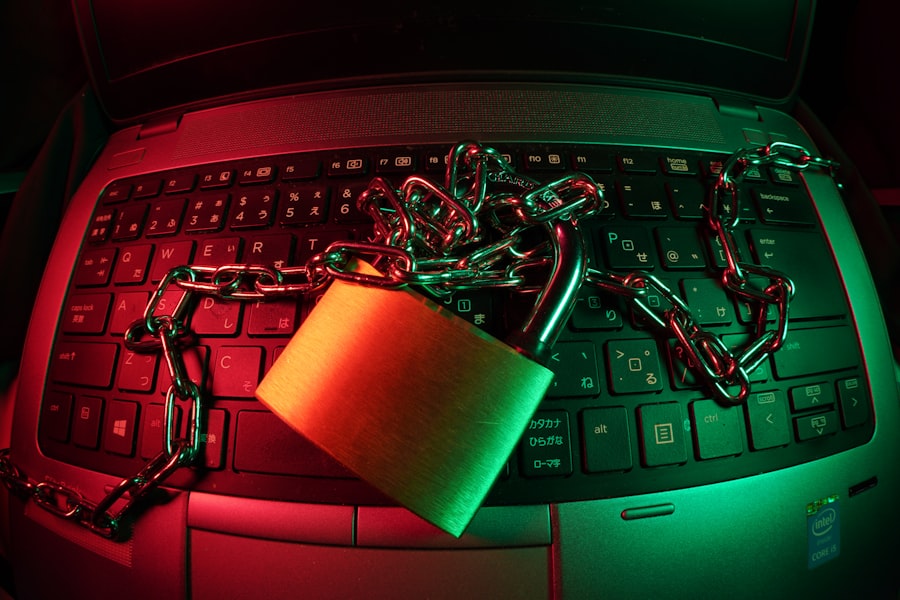
Securing remote access to company networks is paramount in safeguarding sensitive data and maintaining operational integrity. Virtual Private Networks (VPNs) are one of the most effective tools for achieving this goal. A VPN creates a secure tunnel between an employee’s device and the company’s network, encrypting data in transit and protecting it from interception.
This is particularly important when employees are accessing company resources from public Wi-Fi networks, which are notoriously insecure. By mandating the use of VPNs for all remote work activities, organizations can significantly reduce the risk of data breaches. In addition to VPNs, organizations should implement strict access controls and monitoring systems.
This includes setting up firewalls that can filter incoming and outgoing traffic based on predetermined security rules. Intrusion detection systems (IDS) can also be employed to monitor network traffic for suspicious activity, alerting IT teams to potential threats in real time. By combining these technologies with a comprehensive remote access policy, organizations can create a secure environment that protects both their data and their employees.
Educating Employees on Cybersecurity Best Practices
Employee education is a cornerstone of any effective cybersecurity strategy, especially in a remote work environment. Organizations must invest in training programs that equip employees with the knowledge and skills necessary to recognize and respond to cyber threats. Regular workshops and seminars can cover topics such as identifying phishing attempts, creating strong passwords, and understanding the importance of software updates.
By fostering a culture of cybersecurity awareness, companies can empower their employees to take an active role in protecting sensitive information. Moreover, organizations should provide ongoing resources and support for employees as they navigate the complexities of remote work. This could include creating an easily accessible online repository of cybersecurity best practices or offering one-on-one consultations with IT professionals.
Encouraging open communication about cybersecurity concerns can also help employees feel more comfortable reporting suspicious activity without fear of repercussions. By prioritizing education and support, organizations can build a resilient workforce that is better equipped to handle cyber threats.
Utilizing Secure Communication Tools
| Metric | Description | Recommended Value/Goal | Importance |
|---|---|---|---|
| Phishing Attack Rate | Percentage of employees who fall victim to phishing attempts | < 1% | High |
| Multi-Factor Authentication (MFA) Adoption | Percentage of remote workers using MFA for system access | 100% | High |
| VPN Usage Rate | Percentage of remote sessions conducted over a secure VPN | > 95% | High |
| Patch Management Compliance | Percentage of devices with up-to-date security patches | > 98% | High |
| Incident Response Time | Average time to detect and respond to cybersecurity incidents | < 1 hour | Medium |
| Employee Security Training Completion | Percentage of remote employees completing cybersecurity training | > 90% | Medium |
| Use of Encrypted Communication Tools | Percentage of remote communications using end-to-end encryption | > 90% | High |
| Unauthorized Access Attempts | Number of detected unauthorized access attempts per month | As low as possible | High |
In the realm of remote work, effective communication is essential for collaboration and productivity. However, using insecure communication tools can expose organizations to significant risks. It is crucial for companies to adopt secure communication platforms that prioritize encryption and data protection.
Tools such as Signal or Microsoft Teams offer end-to-end encryption, ensuring that messages remain confidential and protected from unauthorized access. Additionally, organizations should establish guidelines for using communication tools effectively and securely. This includes educating employees on the importance of verifying contacts before sharing sensitive information and avoiding public channels for discussing confidential matters.
By promoting the use of secure communication tools and establishing best practices for their use, organizations can minimize the risk of data leaks and maintain the integrity of their communications.
Regularly Updating and Patching Software

Software vulnerabilities are a common entry point for cybercriminals seeking to exploit weaknesses in an organization’s defenses. Regularly updating and patching software is essential for maintaining a secure environment, particularly in a remote work setting where employees may be using various devices and applications. Organizations should implement a systematic approach to software updates, ensuring that all applications—ranging from operating systems to productivity tools—are kept up-to-date with the latest security patches.
Automating software updates can significantly reduce the burden on IT teams while ensuring that critical patches are applied promptly. Additionally, organizations should maintain an inventory of all software used within the company to facilitate tracking and management of updates. By prioritizing regular updates and patching processes, companies can close security gaps that could otherwise be exploited by malicious actors.
Monitoring and Managing Endpoint Security
As remote work becomes increasingly prevalent, managing endpoint security has emerged as a critical concern for organizations. Each device that connects to the company network represents a potential vulnerability that must be monitored and secured. Endpoint detection and response (EDR) solutions can provide real-time visibility into endpoint activity, allowing IT teams to identify and respond to threats quickly.
These solutions often include features such as behavioral analysis, which can detect anomalies indicative of a cyberattack. In addition to deploying EDR solutions, organizations should establish clear policies regarding device usage and security protocols for remote workers. This includes guidelines for securing personal devices used for work purposes, such as requiring antivirus software installation and enabling device encryption.
Regular audits of endpoint security measures can help identify weaknesses and ensure compliance with organizational policies. By taking a proactive approach to endpoint security management, companies can significantly reduce their risk exposure in a remote work environment.
Creating a Response Plan for Cybersecurity Incidents
Despite best efforts to prevent cyber incidents, organizations must be prepared for the possibility of a breach occurring. Developing a comprehensive incident response plan is essential for minimizing damage and ensuring a swift recovery in the event of a cybersecurity incident. This plan should outline clear roles and responsibilities for team members during an incident, as well as procedures for identifying, containing, eradicating, and recovering from threats.
Regularly testing and updating the incident response plan is equally important. Conducting tabletop exercises can help teams practice their response strategies in simulated scenarios, allowing them to identify gaps in their plans and improve coordination among team members. Additionally, organizations should establish communication protocols for informing stakeholders about incidents while maintaining transparency with affected parties.
By having a well-defined incident response plan in place, organizations can enhance their resilience against cyber threats and ensure business continuity even in challenging circumstances.
FAQs
What are the common cybersecurity risks associated with remote work?
Common cybersecurity risks in remote work environments include unsecured Wi-Fi networks, phishing attacks, use of personal devices without proper security, weak passwords, outdated software, and lack of multi-factor authentication.
How can employees protect their devices when working remotely?
Employees can protect their devices by using strong, unique passwords, enabling multi-factor authentication, regularly updating software and antivirus programs, avoiding public Wi-Fi or using a VPN, and ensuring their devices have firewalls enabled.
What role does VPN play in securing remote work?
A Virtual Private Network (VPN) encrypts internet traffic between the remote device and the company network, protecting sensitive data from interception and unauthorized access, especially when using public or unsecured networks.
Why is employee training important for cybersecurity in remote work?
Employee training is crucial because it raises awareness about potential cyber threats such as phishing, social engineering, and safe internet practices, helping employees recognize and avoid security risks.
How can companies enforce security policies for remote workers?
Companies can enforce security policies by implementing endpoint security solutions, requiring VPN use, mandating regular software updates, using mobile device management (MDM) tools, and conducting regular security audits and training sessions.
What is multi-factor authentication and why is it important?
Multi-factor authentication (MFA) requires users to provide two or more verification factors to gain access to a system, adding an extra layer of security beyond just passwords, which helps prevent unauthorized access even if passwords are compromised.
How often should software and security systems be updated in remote work setups?
Software and security systems should be updated regularly, ideally as soon as updates or patches are released, to protect against newly discovered vulnerabilities and threats.
What measures can be taken to secure home Wi-Fi networks?
To secure home Wi-Fi, users should change default router passwords, use strong encryption methods like WPA3, disable remote management, keep router firmware updated, and consider setting up a separate network for work devices.
Are personal devices safe to use for remote work?
Using personal devices for remote work can pose security risks if they lack proper security controls. It is recommended to use company-managed devices or ensure personal devices have updated security software, strong passwords, and comply with company security policies.
What should be done if a cybersecurity breach is suspected in a remote work environment?
If a breach is suspected, employees should immediately report it to their IT or security team, disconnect affected devices from the network, change passwords, and follow the company’s incident response procedures to mitigate damage.