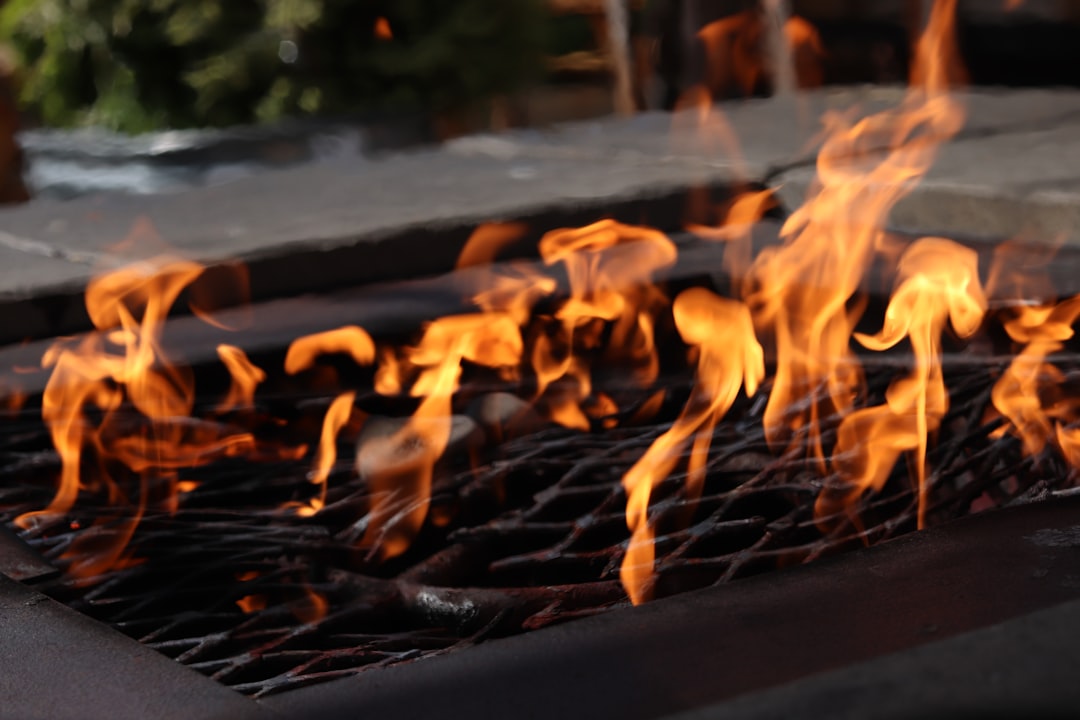
Selecting the ideal location for a fire pit is a critical first step that can significantly influence your outdoor experience. The site should be both functional and aesthetically pleasing, taking into account the layout of your yard, existing landscaping, and how you intend to use the fire pit. A common recommendation is to position the fire pit at least 10 to 20 feet away from any structures, trees, or flammable materials.
This distance minimizes the risk of fire hazards and ensures that smoke does not drift into windows or patios, which could diminish your enjoyment. In addition to safety considerations, the location should enhance your outdoor space. Consider how the fire pit will integrate into your overall landscape design.
Placing it near seating areas creates a gathering spot for family and friends. If your property features a view of a garden, lake, or sunset, positioning the fire pit to take advantage of that view can improve your outdoor experience. Additionally, consider the prevailing wind direction; placing the fire pit in a sheltered area helps direct smoke away from your seating area, creating a more pleasant atmosphere.
Selecting the Right Fire Pit
When it comes to choosing a fire pit, there are several types available, each with its own set of advantages and disadvantages. Wood-burning fire pits are popular for their traditional appeal and the authentic crackling sound of burning logs. They provide a rustic ambiance and are often less expensive than gas options.
However, they require more maintenance, including regular cleaning of ash and soot, and they may not be allowed in certain areas due to local regulations regarding open flames. On the other hand, gas fire pits offer convenience and ease of use. They ignite with the push of a button and can be turned off just as easily, eliminating the need for kindling or logs.
Gas fire pits come in two varieties: natural gas and propane. Natural gas requires a permanent connection to your home’s gas line, while propane models are portable and can be moved as needed. While gas fire pits may lack some of the charm of wood-burning options, they often provide a more controlled flame and produce less smoke, making them suitable for urban settings where smoke may be an issue.
Preparing the Ground
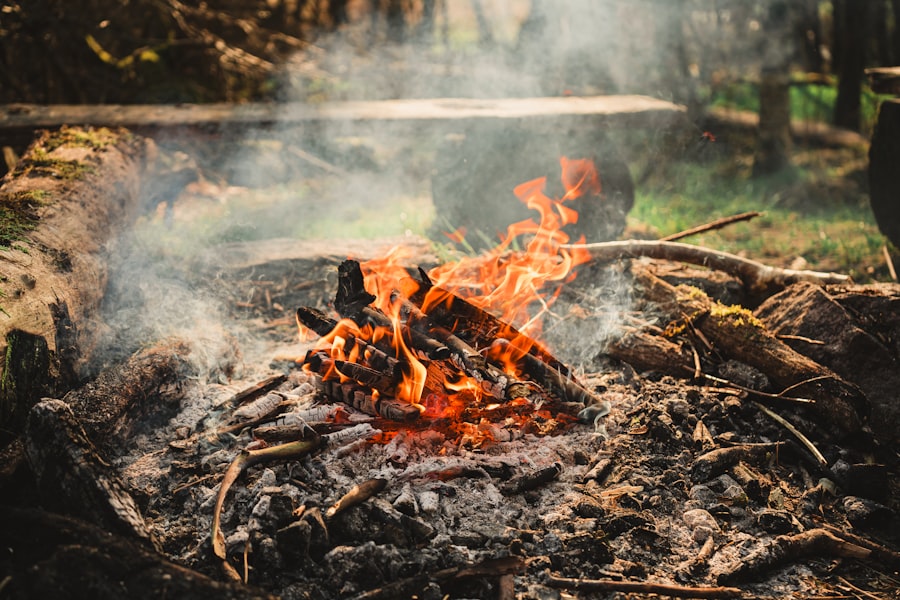
Once you have selected the perfect location for your fire pit, preparing the ground is essential to ensure stability and safety. The first step in this process is to clear the area of any debris, including leaves, twigs, and grass. This not only creates a clean slate for your fire pit but also reduces the risk of accidental fires caused by flammable materials.
After clearing the area, it’s advisable to level the ground if it is uneven. An unlevel surface can lead to instability in your fire pit, which could pose safety risks when in use. Next, consider laying down a non-flammable base material to provide additional safety and stability.
Common choices include gravel, pavers, or concrete slabs. Gravel is particularly effective as it allows for drainage while providing a solid foundation. If you opt for pavers or concrete, ensure they are heat-resistant to withstand the high temperatures generated by the fire pit.
Additionally, creating a perimeter around the fire pit with stones or bricks can help contain any stray embers and add an attractive finishing touch to your setup.
Installing the Fire Pit
The installation process varies depending on the type of fire pit you have chosen—whether it’s a portable model or a permanent structure. For portable fire pits, installation is typically straightforward; simply place the unit on your prepared ground and ensure it is stable. However, even portable models should be positioned carefully to avoid any hazards associated with wind or nearby flammable materials.
For permanent installations, such as built-in stone or brick fire pits, the process is more involved and may require additional tools and materials. Begin by marking out the desired shape and size of your fire pit on the ground using stakes and string or spray paint. Dig out a hole that is deep enough to accommodate a base layer of gravel or sand for drainage.
Once the base is prepared, you can start laying bricks or stones according to your design. It’s crucial to use heat-resistant materials and ensure that each layer is level before moving on to the next. If you’re constructing a gas fire pit, follow manufacturer instructions carefully for connecting gas lines and ensuring proper ventilation.
Proper Ventilation and Airflow
| Metric | Recommended Value/Guideline | Notes |
|---|---|---|
| Minimum Distance from Structures | 10 feet (3 meters) | Maintain clearance from buildings, fences, and combustible materials |
| Minimum Distance from Overhead Branches | 10 feet (3 meters) | Prevents fire hazards from falling embers |
| Surface Type | Non-combustible (stone, concrete, gravel) | Avoid wood decks or dry grass |
| Fire Pit Diameter | 24 to 36 inches (60 to 90 cm) | Standard size for residential use |
| Fire Pit Depth | 12 to 18 inches (30 to 45 cm) | Ensures proper containment of fire |
| Fuel Type | Seasoned hardwood or propane | Use dry wood to reduce smoke and sparks |
| Wind Speed Limit for Use | Less than 10 mph (16 km/h) | High winds increase risk of fire spread |
| Fire Extinguishing Tools | Water source, fire extinguisher, sand | Always have tools nearby for emergencies |
| Local Regulations Compliance | Check with local fire department | Permits or restrictions may apply |
| Supervision | Constant adult supervision | Never leave fire unattended |
Ventilation is an often-overlooked aspect of fire pit installation that plays a vital role in both safety and functionality. Proper airflow ensures that your fire burns efficiently while minimizing smoke production. For wood-burning fire pits, adequate ventilation allows oxygen to feed the flames, promoting a hotter and cleaner burn.
If your fire pit is enclosed or has limited airflow, it can lead to incomplete combustion, resulting in excessive smoke and potentially harmful emissions. For gas fire pits, ventilation is equally important but serves a different purpose. Gas units require proper venting to prevent dangerous gas buildup that could lead to explosions or fires.
When installing a gas fire pit, ensure that there are adequate openings for air circulation around the unit. This may involve leaving space between the fire pit and surrounding structures or incorporating vents into your design. Always consult local building codes and regulations regarding ventilation requirements for gas installations to ensure compliance and safety.
Safety Measures
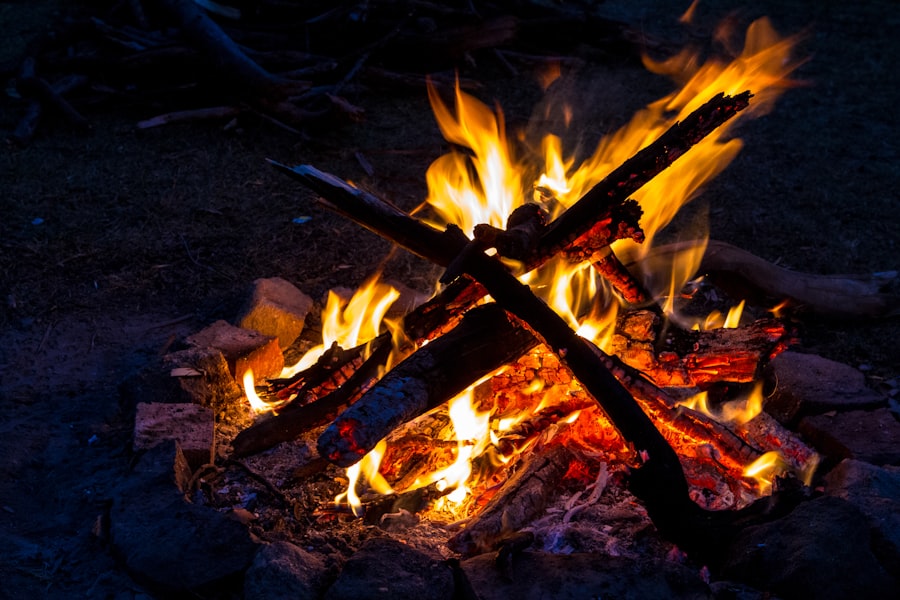
Implementing safety measures when using a fire pit is essential for preventing accidents and ensuring a safe environment for everyone involved. First and foremost, always keep a bucket of water or a fire extinguisher nearby when using your fire pit. This precaution allows for quick action in case of an emergency.
Additionally, establish a safe perimeter around the fire pit where children and pets are not allowed to roam freely. Using outdoor furniture with non-flammable materials can also help reduce risks associated with heat exposure. Another important safety measure involves monitoring weather conditions before lighting a fire.
Windy days can increase the risk of embers escaping from the fire pit and igniting nearby vegetation or structures. If conditions are particularly dry or windy, it may be best to postpone your gathering until safer weather prevails. Furthermore, always ensure that your fire pit is completely extinguished before leaving it unattended or going to bed for the night; this includes dousing any remaining embers with water until they are fully cooled.
Maintaining the Fire Pit
Regular maintenance is key to ensuring that your fire pit remains safe and functional over time. For wood-burning models, this includes cleaning out ash regularly to prevent buildup that could obstruct airflow or create unpleasant odors. Ash should be disposed of properly—allow it to cool completely before transferring it to a metal container with a lid to prevent accidental fires during disposal.
Gas fire pits require their own form of maintenance as well. Regularly check gas lines for leaks by applying soapy water to connections; if bubbles form, there may be a leak that needs immediate attention. Additionally, clean burner ports periodically to prevent clogs that could affect performance.
Inspecting ignition systems regularly ensures that they function correctly when needed. Regardless of the type of fire pit you have, covering it with a protective tarp when not in use can help shield it from weather elements and prolong its lifespan.
Enjoying the Fire Pit Responsibly
While enjoying your fire pit can be one of life’s simple pleasures, it’s essential to do so responsibly to ensure safety for yourself and others around you. Always adhere to local regulations regarding open flames; some areas may have restrictions on burning during certain times of year due to fire hazards. Being aware of these regulations not only keeps you compliant but also helps protect your community from potential dangers.
When hosting gatherings around your fire pit, encourage guests to practice responsible behavior as well. This includes refraining from throwing flammable items into the fire or engaging in risky behavior such as leaning too close to the flames. Providing comfortable seating at a safe distance from the fire allows everyone to enjoy its warmth without compromising safety.
Lastly, consider incorporating eco-friendly practices into your gatherings by using sustainably sourced wood or opting for propane models that produce fewer emissions—this way, you can enjoy your outdoor space while being mindful of environmental impact.
FAQs
What are the key safety considerations when installing an outdoor fire pit?
When installing an outdoor fire pit, ensure it is placed at least 10 feet away from any structures, trees, or flammable materials. Use non-combustible materials for the base and surrounding area, and check local regulations or permits required. Always have a fire extinguisher or water source nearby.
What materials are best for building a safe outdoor fire pit?
Safe materials for outdoor fire pits include fire-rated bricks, stone, concrete blocks, and metal fire rings designed for high heat. Avoid using regular bricks or stones that can crack under heat, and never use wood or other flammable materials for the pit structure.
Can I install a fire pit on a wooden deck?
Installing a fire pit directly on a wooden deck is not recommended due to fire risk. If you want a fire pit on a deck, use a fire pit pad or heat-resistant barrier underneath, and ensure the fire pit is elevated and stable. Always follow manufacturer guidelines and local codes.
How do I ensure proper ventilation for my outdoor fire pit?
Proper ventilation is crucial to prevent smoke buildup and ensure efficient burning. Choose an open design or a fire pit with vents, and avoid placing it in enclosed or semi-enclosed spaces. Position the fire pit where wind can disperse smoke safely.
What types of fuel are safe to use in outdoor fire pits?
Common safe fuels include seasoned hardwood, natural gas, propane, and manufactured fire logs designed for outdoor use. Avoid burning trash, treated wood, or materials that emit toxic fumes. Always follow fuel recommendations specific to your fire pit model.
Are there any local regulations I should be aware of before installing a fire pit?
Yes, many municipalities have regulations regarding fire pit installation, including setback distances, size limits, and burn bans during certain seasons. Check with your local fire department or municipal office to ensure compliance before installation.
How can I maintain my outdoor fire pit for safety and longevity?
Regularly clean out ashes and debris, inspect for cracks or damage, and cover the fire pit when not in use to protect it from weather. Use a spark screen to prevent embers from escaping, and never leave a fire unattended.
What is the best location for installing an outdoor fire pit?
Choose a flat, stable surface away from overhanging branches, structures, and flammable materials. Ensure there is ample space around the fire pit for seating and safe movement, and consider prevailing wind directions to minimize smoke disturbance.
Can I install a fire pit myself, or should I hire a professional?
While many fire pits can be installed by homeowners following manufacturer instructions, complex installations involving gas lines or custom masonry work should be done by professionals to ensure safety and code compliance.
What safety equipment should I have nearby when using an outdoor fire pit?
Always have a fire extinguisher, a bucket of sand, or a garden hose nearby. Keep a metal shovel or poker to manage the fire, and ensure children and pets are supervised and kept at a safe distance.