Minimalist design is a philosophy centered on simplicity, functionality, and the removal of unnecessary elements. It aims to create spaces that are visually appealing while promoting mental clarity and calm. The roots of minimalist design can be found in mid-20th century art and architectural movements, which prioritized clean lines, uncluttered spaces, and minimal ornamentation.
This approach encourages people to evaluate their actual needs and preferences, resulting in more deliberate lifestyle choices. A key principle of minimalist design is the concept of “less is more.” This approach holds that reducing the quantity of objects in a space allows each item to be valued for its individual characteristics. In minimalist interiors, every object has a defined purpose, whether practical or visual.
This principle affects more than just appearance; it also influences how a space makes people feel. Minimalist design can create an atmosphere of peace and concentration, enabling people to connect more fully with their environment. By removing visual distractions, minimalist design creates conditions that support focused thinking and creative work.
Choosing the Right Furniture for a Minimalist Seating Area
When selecting furniture for a minimalist seating area, the focus should be on pieces that embody simplicity and functionality. The ideal furniture should have clean lines and a streamlined silhouette, avoiding overly ornate designs that can clutter the visual space. For instance, a low-profile sofa with a neutral fabric can serve as a perfect centerpiece in a minimalist living room.
Its understated elegance allows it to blend seamlessly with other elements in the room while providing comfort and utility. In addition to aesthetics, functionality plays a crucial role in choosing furniture for a minimalist setting. Multi-functional pieces are particularly valuable; for example, an ottoman that doubles as storage can help maintain an uncluttered environment while providing additional seating when needed.
Similarly, a coffee table with built-in shelves can serve as both a surface for drinks and a place to store books or magazines. By prioritizing furniture that serves multiple purposes, one can maximize the utility of the space without compromising on the minimalist ethos.
Utilizing Space-Saving Techniques

Space-saving techniques are essential in minimalist design, especially in smaller living areas where every square foot counts. One effective strategy is to incorporate vertical storage solutions. Wall-mounted shelves can free up floor space while providing ample room for books, plants, or decorative items.
This approach not only keeps the area organized but also draws the eye upward, creating an illusion of height and openness in the room. Another technique involves using furniture that can be easily moved or reconfigured. For instance, lightweight chairs or nesting tables can be rearranged as needed, allowing for flexibility in how the space is used.
This adaptability is particularly beneficial for those who entertain frequently or have varying needs throughout the day. Additionally, consider using foldable furniture, such as collapsible dining tables or chairs that can be tucked away when not in use. These options enable one to maintain an open and airy environment while still accommodating guests or family gatherings.
Incorporating Natural Elements
Integrating natural elements into a minimalist design can enhance the overall aesthetic while promoting a sense of tranquility and connection to nature. One effective way to achieve this is through the use of plants. Indoor greenery not only adds life to a space but also improves air quality and creates a calming atmosphere.
Opting for low-maintenance plants like succulents or snake plants can ensure that the space remains easy to care for while still benefiting from the beauty of nature. In addition to plants, incorporating natural materials such as wood, stone, or bamboo can further enhance the minimalist aesthetic. A wooden coffee table with a raw finish can serve as a striking focal point while maintaining simplicity.
Similarly, stone accents—whether through decorative objects or wall treatments—can add texture and warmth to an otherwise stark environment. By thoughtfully integrating these natural elements, one can create a harmonious balance between minimalism and organic beauty.
Selecting a Neutral Color Palette
| Metric | Description | Recommended Value/Range | Notes |
|---|---|---|---|
| Seating Area Size | Recommended minimum size for comfortable seating | 8 ft x 8 ft (64 sq ft) | Allows space for 4 chairs and a small table |
| Surface Material | Type of ground covering for seating area | Gravel, Pavers, or Concrete | Low maintenance and minimal landscaping required |
| Plant Selection | Types of plants suitable for minimal landscaping | Drought-tolerant, native grasses, succulents | Reduces watering and upkeep |
| Plant Spacing | Distance between plants to reduce density | 18-24 inches apart | Allows growth without overcrowding |
| Lighting | Type of lighting for ambiance and safety | Solar-powered LED lights | Energy efficient and easy to install |
| Shade Options | Methods to provide shade in seating area | Umbrella or pergola | Minimal landscaping impact, portable options |
| Maintenance Frequency | Estimated time spent on upkeep per month | 1-2 hours | Includes sweeping, plant care, and cleaning |
| Water Usage | Estimated monthly water consumption for plants | 5-10 gallons | Depends on plant type and climate |
A neutral color palette is a hallmark of minimalist design, providing a serene backdrop that allows other elements in the space to shine. Shades of white, beige, gray, and soft earth tones create an inviting atmosphere while promoting a sense of calmness. These colors are versatile and can easily adapt to changing trends or personal preferences without overwhelming the senses.
When selecting colors for a minimalist space, consider using varying shades within the neutral spectrum to add depth and interest without introducing visual clutter. For example, pairing light gray walls with darker gray furniture can create a sophisticated look while maintaining the overall simplicity of the design. Additionally, incorporating textures through fabrics or finishes—such as matte versus glossy—can enhance the visual appeal without straying from the minimalist ethos.
Adding Functional Decor
In minimalist design, decor should serve both aesthetic and functional purposes. This means choosing items that not only enhance the visual appeal of the space but also contribute to its overall utility. For instance, wall art can be both beautiful and practical; consider using framed mirrors to create an illusion of space while reflecting light throughout the room.
This dual functionality makes mirrors an excellent choice for minimalist decor. Another example of functional decor is using decorative storage solutions. Baskets made from natural fibers can serve as stylish storage for blankets or magazines while adding texture to the room.
Similarly, wall-mounted hooks can provide a place for coats or bags without taking up valuable floor space. By selecting decor that fulfills practical needs while maintaining an aesthetic appeal, one can enhance the minimalist design without compromising its core principles.
Creating a Cozy Atmosphere with Textiles
While minimalism often emphasizes simplicity and clean lines, it is essential to create a cozy atmosphere that invites relaxation and comfort. Textiles play a crucial role in achieving this balance; they add warmth and softness to an otherwise stark environment. Consider incorporating plush throw blankets or soft cushions in neutral tones to create inviting seating areas that encourage lounging and socializing.
Layering textiles can also enhance comfort without overwhelming the space. For example, placing a textured area rug beneath a coffee table can define the seating area while adding warmth underfoot. Additionally, mixing different fabric types—such as linen, cotton, and wool—can create visual interest while maintaining a cohesive color palette.
By thoughtfully integrating textiles into a minimalist design, one can cultivate an inviting atmosphere that feels both stylish and comfortable.
Maintaining a Clutter-Free Space
A clutter-free environment is essential in minimalist design; it allows for clarity of thought and promotes a sense of peace within the home. To maintain this ideal state, it is crucial to establish organizational systems that encourage tidiness and intentionality in how items are stored and displayed. One effective strategy is to adopt the “one in, one out” rule: for every new item brought into the home, an existing item should be removed.
This practice helps prevent accumulation and encourages mindful consumption. Regular decluttering sessions can also be beneficial in maintaining an organized space. Setting aside time each month to assess belongings allows individuals to evaluate what is truly necessary and what can be let go.
Additionally, utilizing storage solutions such as labeled bins or baskets can help keep items organized while remaining visually appealing. By fostering habits that prioritize simplicity and intentionality, one can ensure that their minimalist space remains clutter-free and conducive to tranquility over time.
FAQs
What are the key elements to consider when creating an outdoor seating area with minimal landscaping?
When creating an outdoor seating area with minimal landscaping, consider factors such as selecting durable and weather-resistant furniture, choosing a flat and stable surface for seating, incorporating simple ground cover like gravel or mulch, and adding a few low-maintenance plants or potted greenery to enhance the space without extensive gardening.
How can I create an inviting outdoor seating area without extensive landscaping?
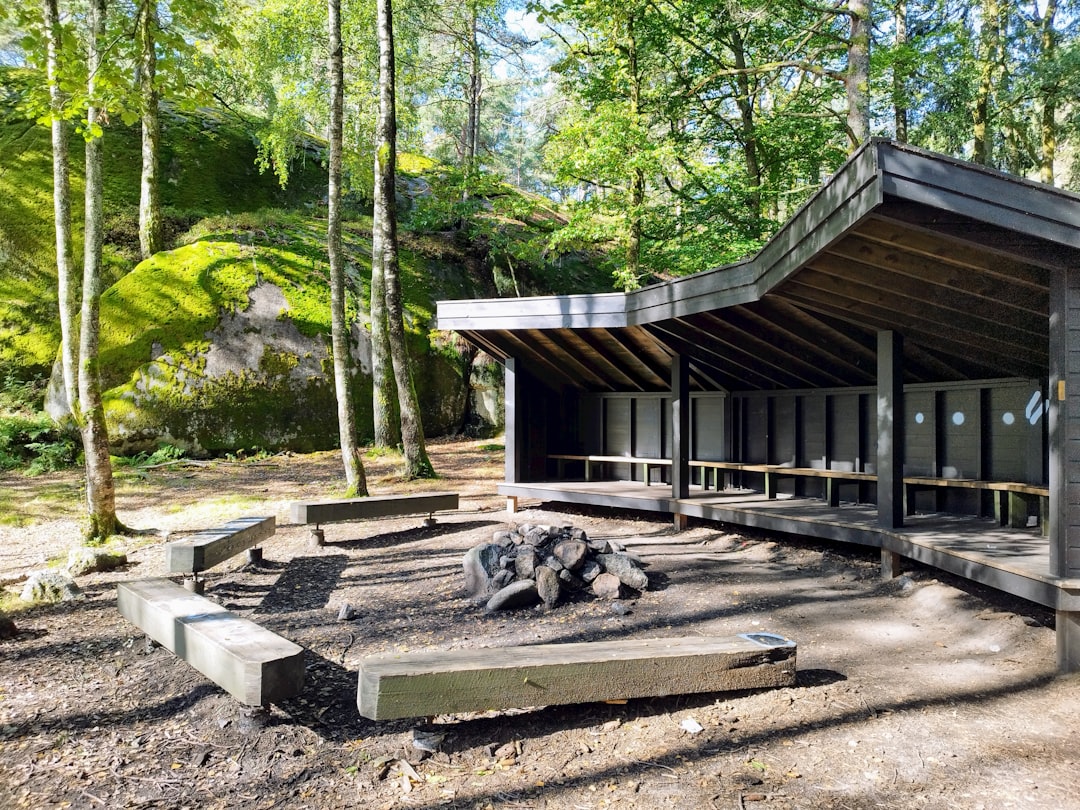
You can create an inviting outdoor seating area by using comfortable seating options like benches or chairs with cushions, adding shade with umbrellas or pergolas, using decorative elements such as outdoor rugs or lighting, and incorporating natural materials like wood or stone to blend with the environment while keeping landscaping minimal.
What types of plants are suitable for minimal landscaping in an outdoor seating area?
Suitable plants for minimal landscaping include drought-tolerant species, native grasses, succulents, and small shrubs that require little maintenance. Potted plants or container gardens are also excellent choices as they allow flexibility and easy care without the need for extensive planting.
Is it necessary to have a paved surface for an outdoor seating area with minimal landscaping?
While a paved surface like concrete, stone, or pavers provides stability and ease of maintenance, it is not strictly necessary. Alternatives such as compacted gravel, decomposed granite, or mulch can also create functional seating areas with minimal landscaping effort.
How can I maintain an outdoor seating area with minimal landscaping?
Maintenance involves regular cleaning of furniture, occasional raking or leveling of ground cover, watering and pruning any plants as needed, and checking for pests. Choosing low-maintenance materials and plants reduces the time and effort required to keep the area attractive and functional.
Can I create an outdoor seating area with minimal landscaping on a budget?
Yes, creating an outdoor seating area with minimal landscaping can be budget-friendly by using affordable materials like gravel or mulch for ground cover, repurposing existing furniture, selecting low-cost plants, and focusing on simple design elements that do not require extensive labor or materials.
What are some design tips for maximizing space in a small outdoor seating area with minimal landscaping?
To maximize space, use compact or multi-functional furniture, arrange seating to encourage conversation, incorporate vertical elements like trellises or hanging plants, and keep the design simple and uncluttered. Using light colors and reflective surfaces can also make the area feel larger.
Are there any environmental benefits to creating an outdoor seating area with minimal landscaping?
Yes, minimal landscaping often uses fewer resources such as water, fertilizers, and pesticides, which benefits the environment. It also reduces soil disturbance and can promote the use of native plants, supporting local ecosystems and biodiversity.