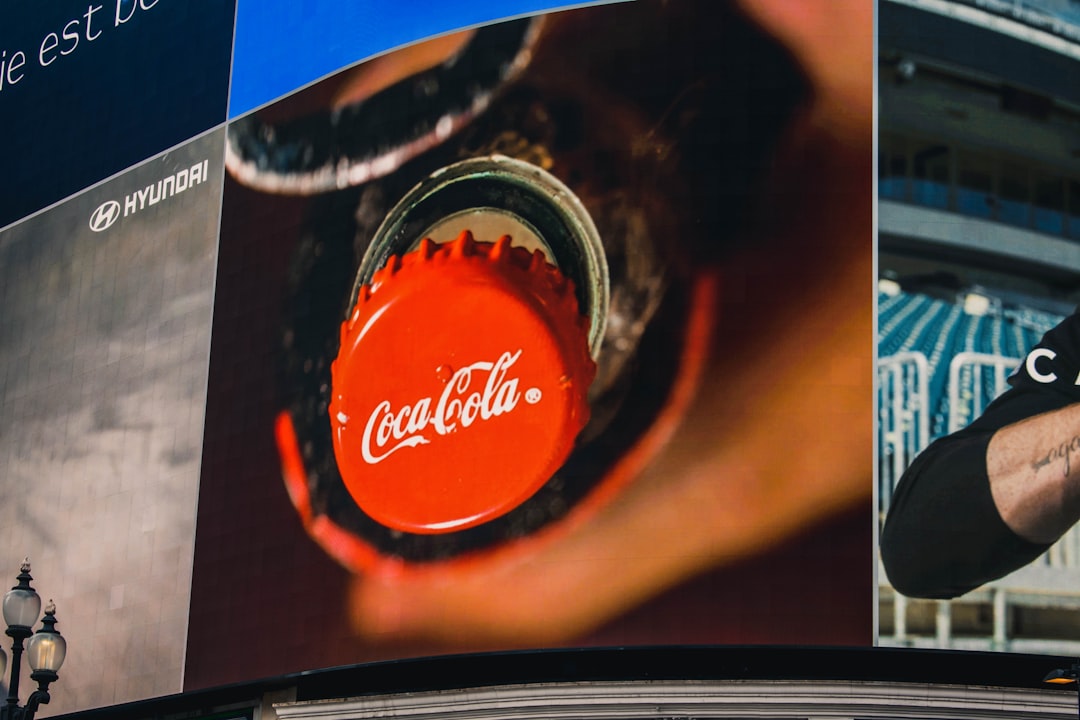
Multi-channel campaigns are a marketing strategy that uses multiple platforms and channels to reach consumers. This approach acknowledges that customers interact with brands through various touchpoints, such as social media, email, websites, and traditional media. A multi-channel strategy enables businesses to maintain a consistent message that appeals to their audience across all platforms where they encounter the brand.
The primary advantage of multi-channel marketing is that it creates a seamless customer experience, allowing consumers to engage with a brand through their preferred methods. The success of multi-channel campaigns is supported by current consumer behavior patterns. Today’s consumers are highly connected and frequently use multiple devices and platforms.
For example, a customer might first see a product advertised on Instagram, receive a promotional email with a discount code, and then complete a purchase on the company’s website. This pattern of behavior requires a coordinated marketing strategy that maintains consistent messaging and branding across all channels. By analyzing how multi-channel campaigns function, marketers can better understand their target audience’s preferences and behaviors, which leads to increased engagement and higher conversion rates.
Identifying Target Audience Across Channels
Identifying the target audience is a critical step in the development of any marketing campaign, particularly in a multi-channel context. Each channel attracts different demographics and psychographics, making it essential for marketers to conduct thorough research to understand who their audience is on each platform. For example, younger consumers may be more active on platforms like TikTok and Instagram, while older demographics might prefer Facebook or email newsletters.
By analyzing user behavior and preferences across these channels, marketers can tailor their messaging to resonate with specific segments of their audience. Moreover, utilizing tools such as customer personas can enhance the understanding of target audiences across various channels. These personas are fictional representations of ideal customers based on data and insights gathered from market research.
By creating detailed profiles that include demographics, interests, and online behaviors, marketers can craft personalized content that speaks directly to the needs and desires of their audience. This targeted approach not only increases engagement but also fosters brand loyalty as consumers feel understood and valued by the brand.
Coordinating Messaging and Branding

Consistency in messaging and branding is paramount in multi-channel campaigns. When consumers encounter a brand across different platforms, they expect a unified voice and visual identity. Discrepancies in messaging can lead to confusion and diminish trust in the brand.
For instance, if a company promotes a specific product feature on social media but fails to mention it in email communications or on its website, potential customers may question the reliability of the information presented. Therefore, it is crucial for marketers to develop a comprehensive messaging framework that outlines key messages, tone, and visual elements to be used across all channels. To achieve this level of coordination, brands often employ style guides that dictate how messaging should be communicated across various platforms.
These guides include specifications for language, imagery, and overall tone to ensure that every piece of content aligns with the brand’s identity. Additionally, regular cross-departmental meetings can facilitate collaboration between teams responsible for different channels, ensuring that everyone is on the same page regarding campaign objectives and messaging strategies. By prioritizing coordinated messaging and branding, companies can create a more cohesive experience for their audience, reinforcing brand recognition and loyalty.
Utilizing Data and Analytics for Optimization
Data and analytics play a pivotal role in optimizing multi-channel campaigns. By collecting and analyzing data from various sources—such as website traffic, social media engagement, email open rates, and conversion metrics—marketers can gain valuable insights into what is working and what needs improvement. For example, if analytics reveal that a particular social media ad is driving significant traffic but low conversions, marketers can investigate further to identify potential barriers in the customer journey or adjust the ad’s call-to-action.
Furthermore, A/B testing is an effective method for optimizing campaign elements across channels. By testing different versions of an email subject line or social media ad copy, marketers can determine which variations yield better results. This data-driven approach allows for continuous refinement of marketing strategies based on real-time feedback from consumers.
As a result, businesses can allocate resources more effectively and focus on channels that deliver the highest return on investment (ROI). Ultimately, leveraging data and analytics empowers marketers to make informed decisions that enhance campaign performance.
Integrating Social Media and Email Marketing
| Metric | Description | Target Value | Measurement Frequency | Tools/Methods |
|---|---|---|---|---|
| Channel Overlap Rate | Percentage of audience receiving the same message across multiple channels | < 10% | Weekly | Audience segmentation tools, CRM analysis |
| Unique Reach | Number of unique individuals reached across all channels | Increase by 15% per campaign | Per campaign | Analytics platforms, cross-channel tracking |
| Message Frequency per User | Average number of messages received by a user across channels | 2-3 messages per week | Weekly | Marketing automation software |
| Engagement Rate | Percentage of users interacting with campaign content | Above 20% | Weekly | Social media analytics, email marketing reports |
| Conversion Rate | Percentage of users completing desired action from campaign | Above 5% | Per campaign | Web analytics, CRM tracking |
| Campaign Overlap Resolution Time | Time taken to identify and resolve channel overlap issues | < 48 hours | As needed | Real-time monitoring dashboards |
| Audience Segmentation Accuracy | Percentage of correctly segmented audience groups | Above 95% | Monthly | Data validation tools, CRM audits |
Social media and email marketing are two powerful channels that can complement each other when integrated effectively within a multi-channel campaign. Social media platforms serve as excellent tools for building brand awareness and engaging with audiences in real-time. However, they often lack the direct conversion capabilities that email marketing offers.
By integrating these two channels, marketers can create a more robust strategy that maximizes reach and drives conversions. For instance, brands can use social media to promote exclusive offers or content that encourages users to subscribe to their email lists. Once individuals are on the email list, marketers can nurture these leads through targeted email campaigns that provide valuable content and personalized offers based on user behavior.
Additionally, social media can be utilized to amplify email campaigns by sharing snippets or highlights from newsletters to entice followers to check their inboxes for more information. This synergy not only enhances engagement but also fosters a sense of community around the brand as consumers interact with it across multiple touchpoints.
Implementing Cross-Channel Tracking and Attribution

Cross-channel tracking and attribution are essential components of effective multi-channel marketing strategies. As consumers navigate through various platforms before making a purchase decision, understanding how each channel contributes to conversions is crucial for optimizing marketing efforts. Implementing tracking mechanisms allows marketers to monitor user interactions across channels and attribute conversions accurately.
One common method for cross-channel tracking is the use of UTM (Urchin Tracking Module) parameters in URLs shared across different platforms. By appending specific tags to links shared in emails or social media posts, marketers can track where traffic originates from when users visit their website. Additionally, advanced analytics tools enable businesses to create multi-touch attribution models that provide insights into how different channels influence consumer behavior throughout the buying journey.
For example, a customer may first engage with an ad on Facebook, then receive an email reminder before finally making a purchase through the website. Understanding this journey allows marketers to allocate resources effectively and optimize their strategies based on channel performance.
Managing Budget and Resources Across Channels
Effective budget management is critical in executing successful multi-channel campaigns. Each channel requires different levels of investment based on its unique characteristics and audience engagement potential. Marketers must assess which channels yield the best ROI while also considering the overall marketing objectives of the campaign.
For instance, while social media advertising may require significant upfront costs for ad placements, it could lead to higher engagement rates compared to traditional print advertising. To manage resources effectively across channels, businesses often adopt a flexible budgeting approach that allows for adjustments based on real-time performance data. This means reallocating funds from underperforming channels to those that demonstrate higher engagement or conversion rates.
Additionally, collaboration between teams responsible for different channels can help ensure that resources are utilized efficiently without duplication of efforts. By maintaining a strategic focus on budget management across channels, companies can maximize their marketing impact while minimizing waste.
Measuring and Evaluating Campaign Performance
Measuring and evaluating campaign performance is the final step in executing successful multi-channel marketing strategies. Establishing clear key performance indicators (KPIs) at the outset allows marketers to assess whether they are meeting their objectives throughout the campaign lifecycle. Common KPIs include conversion rates, click-through rates (CTR), engagement metrics such as likes or shares on social media, and overall return on investment (ROI).
Regular performance reviews are essential for understanding how well each channel is performing relative to others. By analyzing data collected during the campaign, marketers can identify trends and patterns that inform future strategies. For example, if one channel consistently outperforms others in terms of engagement or conversions, it may warrant increased investment in future campaigns.
Additionally, gathering feedback from customers through surveys or direct interactions can provide qualitative insights that complement quantitative data analysis. This holistic approach to measuring campaign performance enables businesses to refine their marketing strategies continually and adapt to changing consumer behaviors over time.
FAQs
What is multi-channel marketing?
Multi-channel marketing is a strategy that uses multiple communication channels such as email, social media, websites, and physical stores to reach and engage customers.
Why is managing overlap important in multi-channel marketing campaigns?
Managing overlap is important to avoid sending duplicate messages to the same audience, which can lead to customer annoyance, reduced engagement, and inefficient use of marketing resources.
How can marketers prevent overlap in multi-channel campaigns?
Marketers can prevent overlap by using centralized customer data, segmenting audiences carefully, coordinating campaign schedules, and employing marketing automation tools to track interactions across channels.
What tools help in managing multi-channel marketing campaigns?
Tools such as Customer Relationship Management (CRM) systems, marketing automation platforms, and data analytics software help manage campaigns by providing insights, tracking customer interactions, and enabling coordinated messaging.
Can multi-channel marketing improve customer engagement?
Yes, when managed effectively without overlap, multi-channel marketing can enhance customer engagement by delivering consistent and relevant messages across preferred channels.
What challenges are common in managing multi-channel campaigns?
Common challenges include data silos, inconsistent messaging, timing conflicts, and difficulty in tracking customer interactions across different platforms.
How does audience segmentation help in avoiding overlap?
Audience segmentation divides customers into distinct groups based on behavior or demographics, allowing marketers to tailor messages and avoid sending the same content multiple times through different channels.
Is it necessary to have a unified marketing strategy for multi-channel campaigns?
Yes, a unified strategy ensures all channels work together cohesively, reducing overlap and delivering a seamless customer experience.
How often should marketers review their multi-channel campaigns to avoid overlap?
Marketers should regularly review campaigns, ideally in real-time or at least weekly, to monitor performance, adjust messaging, and prevent overlap as customer interactions evolve.
What role does data analytics play in managing multi-channel marketing?
Data analytics helps identify customer behavior patterns, measure campaign effectiveness, and detect potential overlaps, enabling marketers to optimize their strategies accordingly.