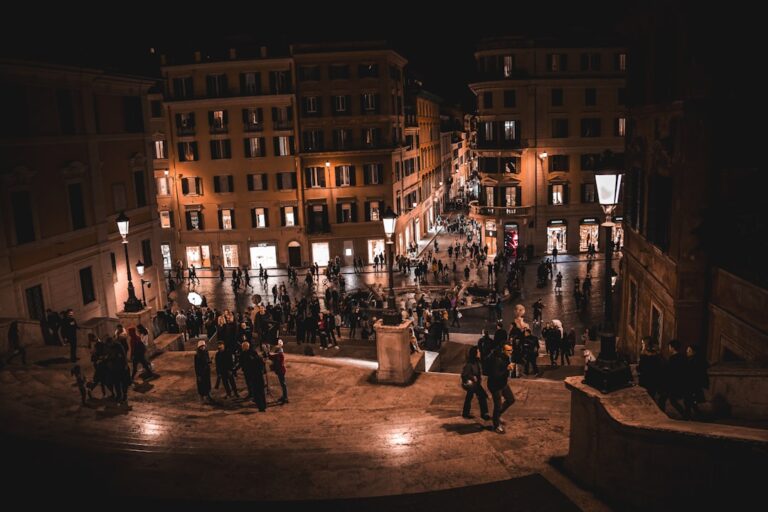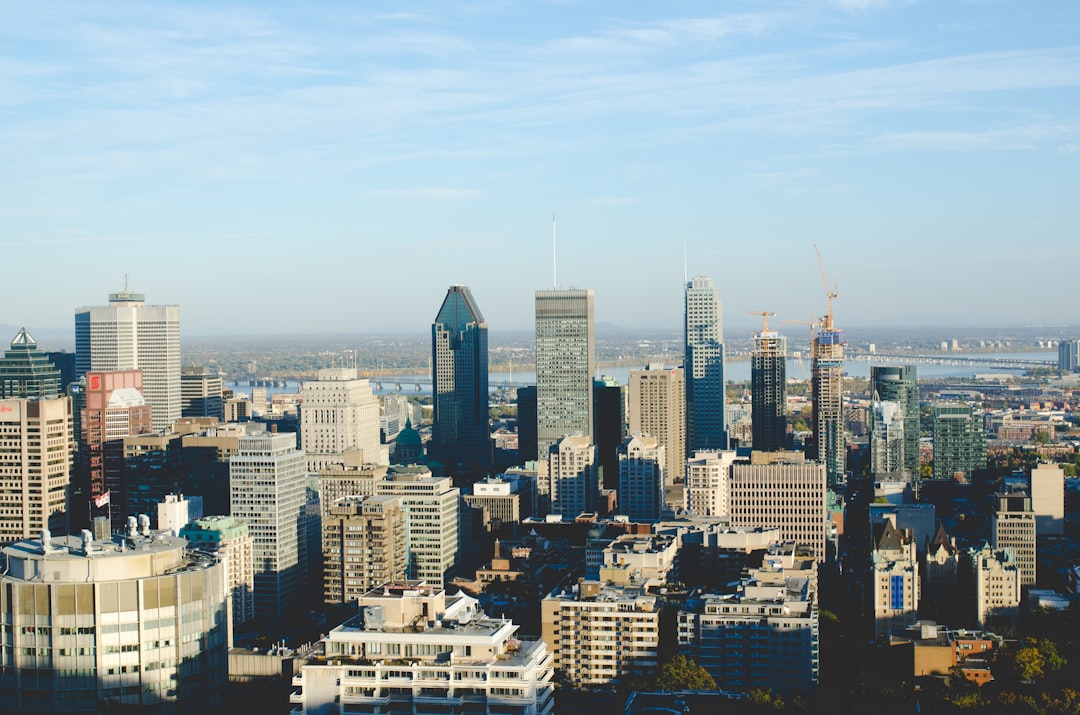
Old Montreal’s cobblestone streets and historic architecture preserve the city’s colonial heritage. The alleyways in this district originated in the 17th and 18th centuries as functional routes for merchants and residents. These narrow passages facilitated the movement of goods and people, supporting the commercial activity that defined early Montreal.
As Montreal expanded, these alleyways evolved beyond their original purpose. They developed into social spaces where residents conducted daily business, children played, and local artisans worked. The surrounding architecture demonstrates the various cultural influences that shaped the city, including French colonial, British, and contemporary styles.
Many of these alleyways have been preserved or restored and now serve dual purposes: they provide historical context for visitors while functioning as active spaces in modern Montreal. The physical layout and design of these passages reflect the practical needs and social patterns of earlier centuries.
Hidden Gems: Exploring Unique Shops and Cafes
Venturing into the alleyways of Old Montreal reveals a treasure trove of unique shops and cafes that often go unnoticed by those who stick to the main thoroughfares. These hidden gems offer an eclectic mix of artisanal goods, vintage finds, and locally crafted products. For instance, tucked away in a quaint alley is a small boutique specializing in handmade jewelry, where artisans create one-of-a-kind pieces using traditional techniques.
The intimate setting allows for personal interactions with the creators, providing insights into their craft and inspiration. Cafes in these alleyways also provide a delightful escape from the bustling streets. One such cafe, with its charming outdoor seating and rustic decor, serves artisanal coffee sourced from local roasters.
Patrons can enjoy their drinks while surrounded by the sounds of laughter and conversation, creating a warm and inviting atmosphere. The menu often features locally inspired pastries and snacks, making it an ideal spot for a leisurely afternoon break. Exploring these hidden establishments not only supports local businesses but also enriches the experience of discovering Old Montreal’s vibrant culture.
Architectural Delights: Discovering Historic Buildings
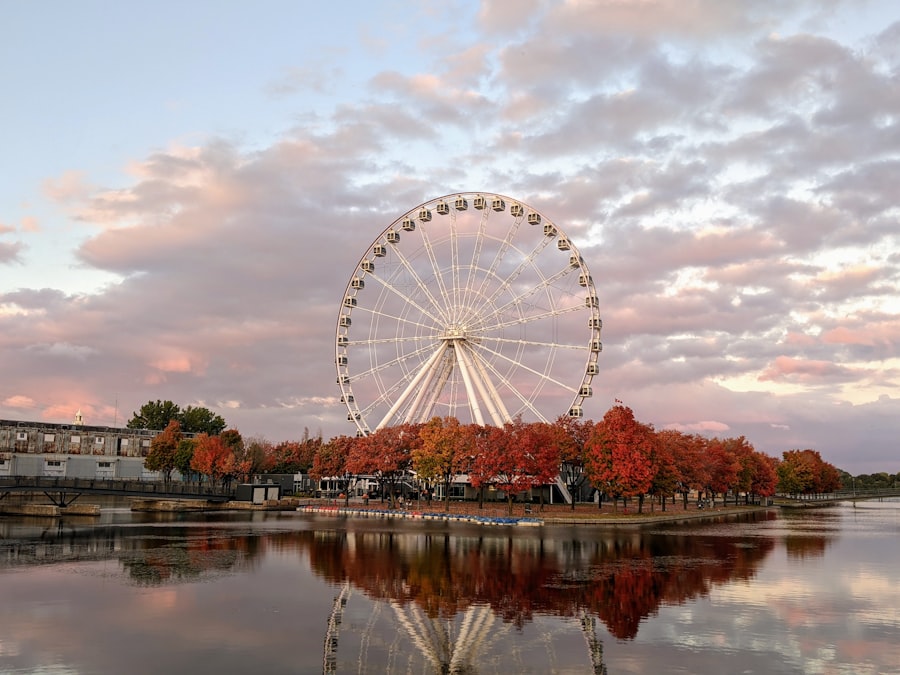
The architectural landscape of Old Montreal is a captivating blend of styles that reflect its storied past. As one wanders through the alleyways, it becomes evident that each building has its own narrative, contributing to the overall character of the area. The iconic Notre-Dame Basilica stands as a testament to Gothic Revival architecture, with its stunning facade and intricate interior design drawing visitors from around the world.
Nearby, the Bonsecours Market showcases neoclassical elements, originally built in 1847 as a public market and now housing boutiques and galleries. In addition to these prominent structures, many lesser-known buildings line the alleyways, each with unique features that tell their own stories. For example, the former headquarters of the Montreal Star newspaper is a striking example of Beaux-Arts architecture, complete with ornate detailing and grand windows.
These architectural delights are not just visually appealing; they also serve as reminders of the city’s historical significance and its evolution over time. Exploring these buildings provides a deeper understanding of Montreal’s cultural heritage and architectural diversity.
Art and Culture: Exploring Street Art and Galleries
Old Montreal is not only a hub for history but also a vibrant canvas for contemporary art and culture. The alleyways are adorned with colorful murals and street art that reflect the creativity and spirit of local artists. These works often address social issues or celebrate cultural diversity, transforming ordinary walls into thought-provoking displays.
One can find everything from large-scale murals depicting historical figures to whimsical graffiti that adds a playful touch to the urban landscape. In addition to street art, Old Montreal is home to numerous galleries showcasing both established and emerging artists. Many of these galleries are located in converted warehouses or historic buildings, creating an intriguing juxtaposition between old and new.
Visitors can explore exhibitions featuring everything from contemporary paintings to traditional sculptures, often accompanied by artist talks or workshops that invite deeper engagement with the art. This thriving art scene not only enhances the cultural fabric of Old Montreal but also fosters a sense of community among artists and art enthusiasts alike.
Local Flavors: Sampling the Best of Old Montreal’s Cuisine
| Metric | Value | Details |
|---|---|---|
| Number of Alleyways | 15 | Historic alleyways accessible to pedestrians |
| Average Length of Alleyways | 120 meters | Measured from entrance to exit points |
| Year Established | 17th Century | Old Montreal’s alleyways date back to early settlement |
| Popular Attractions | 3 | Notable spots include Rue Saint-Paul, Place Jacques-Cartier, and Bonsecours Market |
| Average Foot Traffic | 500 visitors/day | Estimated daily pedestrian count during peak season |
| Lighting | Historic-style street lamps | Maintains the old-world ambiance |
| Accessibility | Moderate | Some cobblestone surfaces may be challenging for wheelchairs |
| Guided Tours Available | Yes | Multiple companies offer walking tours focusing on history and architecture |
The culinary landscape of Old Montreal is as diverse as its history, offering a rich tapestry of flavors that reflect both local traditions and international influences. The alleyways are dotted with bistros, restaurants, and food stalls where visitors can indulge in a variety of dishes that celebrate Quebec’s culinary heritage. One cannot visit without trying poutine, a quintessential Quebec dish made of fries topped with cheese curds and smothered in gravy.
Many establishments have put their own spin on this classic, incorporating gourmet ingredients or unique sauces. In addition to poutine, Old Montreal boasts an array of eateries serving everything from fresh seafood to artisanal charcuterie. A hidden gem might be a small eatery specializing in smoked meats, where patrons can savor tender brisket or pastrami served on freshly baked bread.
The emphasis on local ingredients is evident in many menus, with seasonal offerings that highlight the best produce Quebec has to offer. Dining in these alleyway establishments not only satisfies culinary cravings but also provides an opportunity to connect with local culture through food.
Secret Gardens: Finding Tranquility in Unexpected Places
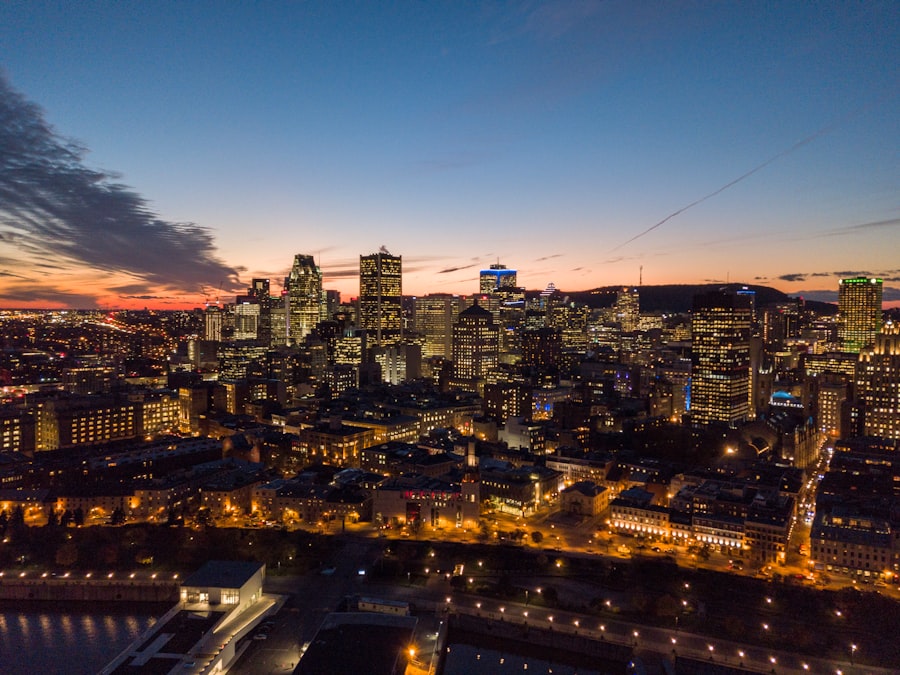
Amidst the bustling streets and lively cafes of Old Montreal lie tranquil gardens that offer a serene escape from the urban hustle. These secret gardens are often tucked away behind historic buildings or hidden within courtyards, providing peaceful retreats for those who seek solace in nature. One such garden features beautifully manicured flower beds and shaded seating areas where visitors can relax with a book or simply enjoy the ambiance.
These green spaces are not just aesthetically pleasing; they also serve as important habitats for local wildlife and contribute to urban biodiversity. Some gardens incorporate native plants that attract pollinators like bees and butterflies, creating a harmonious balance between nature and city life. Exploring these hidden oases allows visitors to appreciate the natural beauty that coexists with Old Montreal’s architectural splendor while providing moments of reflection amidst the vibrant urban environment.
Ghosts of the Past: Uncovering Old Montreal’s Haunted Alleyways
The rich history of Old Montreal is steeped in tales of mystery and intrigue, making it a prime location for ghost stories and legends. Many of the alleyways are said to be haunted by spirits from the past, adding an eerie dimension to their charm. Guided ghost tours often lead visitors through these shadowy passages, recounting tales of lost souls and historical figures who once roamed these streets.
Stories of tragic events or unsolved mysteries bring an added layer of fascination to the exploration of Old Montreal. One particularly notorious alley is rumored to be haunted by the ghost of a young woman who met an untimely demise centuries ago. Visitors have reported strange occurrences such as sudden drops in temperature or unexplained sounds echoing through the night air.
These ghostly encounters not only captivate those interested in the supernatural but also serve as reminders of the lives that shaped this historic area. Engaging with these stories allows visitors to connect with Old Montreal on a deeper level, blending history with folklore in an unforgettable experience.
Insider Tips: Navigating and Making the Most of Your Alleyway Adventure
To fully appreciate the charm and character of Old Montreal’s alleyways, it’s essential to approach your exploration with intention and curiosity. Start your journey early in the day when crowds are thinner, allowing for a more intimate experience as you wander through narrow passages lined with historic buildings and unique shops. Consider bringing along a camera to capture the stunning architecture and vibrant street art that adorns these hidden corners.
Engaging with locals can also enhance your adventure; many residents are eager to share their favorite spots or hidden treasures within the alleyways. Don’t hesitate to ask shop owners about their products or recommendations for nearby cafes—these interactions often lead to delightful discoveries that enrich your visit. Lastly, take your time as you explore; allow yourself to get lost in the maze-like streets, as some of the best experiences come from unexpected encounters along the way.
By embracing spontaneity and immersing yourself in the atmosphere, you’ll uncover the true essence of Old Montreal’s enchanting alleyways.
FAQs
What is Old Montreal?
Old Montreal is a historic neighborhood in Montreal, Quebec, known for its well-preserved architecture dating back to the 17th century. It features cobblestone streets, old buildings, and landmarks that reflect the city’s colonial past.
Where are the alleyways of Old Montreal located?
The alleyways of Old Montreal are located within the boundaries of the Old Montreal district, which is situated along the St. Lawrence River in the southeastern part of downtown Montreal.
Why are the alleyways in Old Montreal significant?
The alleyways in Old Montreal are significant because they offer a glimpse into the city’s history and urban development. They often feature historic architecture, unique shops, cafes, and art galleries, providing an authentic and charming atmosphere.
Are the alleyways in Old Montreal accessible to the public?
Yes, the alleyways in Old Montreal are generally open to the public. Visitors can walk through them to explore the neighborhood, enjoy the scenery, and discover hidden gems such as boutiques, restaurants, and cultural sites.
What can visitors expect when walking through the alleyways of Old Montreal?
Visitors can expect to see narrow cobblestone paths, historic buildings, street art, and a variety of shops and eateries. The alleyways often have a quaint and intimate feel, making them ideal for leisurely strolls and photography.
Is there any guided tour available for exploring the alleyways of Old Montreal?
Yes, several guided walking tours are available that focus on the history, architecture, and culture of Old Montreal, including its alleyways. These tours provide detailed information and stories about the area.
What is the best time to visit the alleyways of Old Montreal?
The best time to visit is during the spring, summer, or early fall when the weather is pleasant. The alleyways are also beautifully decorated during the holiday season, offering a festive atmosphere.
Are the alleyways wheelchair accessible?
Some alleyways in Old Montreal have cobblestone surfaces and narrow passages, which may pose challenges for wheelchair users. It is advisable to check accessibility information in advance or consult with local tourism offices.
Can you find dining options in the alleyways of Old Montreal?
Yes, many alleyways in Old Montreal feature cafes, bistros, and restaurants offering a range of cuisines, from traditional Quebecois dishes to international fare.
Is photography allowed in the alleyways of Old Montreal?
Yes, photography is generally allowed and popular among visitors due to the picturesque and historic nature of the alleyways. However, it is courteous to respect private property and any signage indicating restrictions.