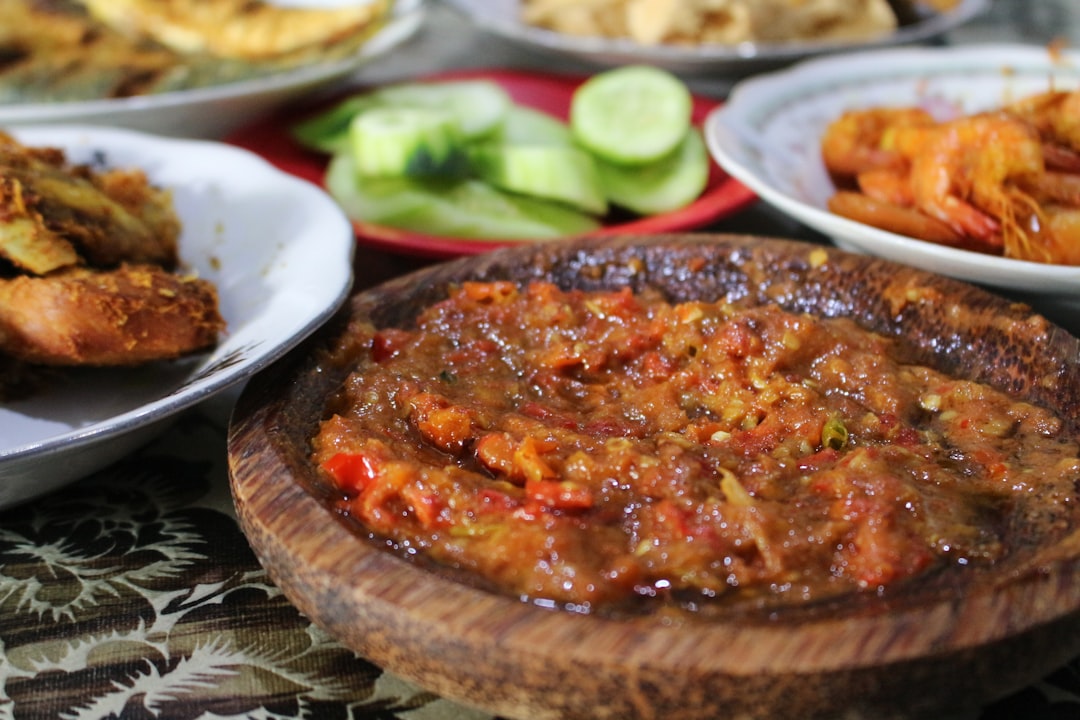
Seoul, the capital of South Korea, is home to numerous local markets that serve as important centers for commerce and social interaction. These markets function as cultural spaces where traditional Korean practices and contemporary urban life intersect. Notable examples include Gwangjang Market and Namdaemun Market, both of which offer a wide variety of goods and food products that reflect Korean culinary traditions and local commerce.
Seoul’s markets are characterized by their active trading environment, where vendors sell merchandise and customers negotiate prices. These markets reflect Korea’s agricultural heritage and demonstrate how traditional shopping practices have adapted to modern urban settings. They provide access to fresh produce, prepared foods, and handcrafted items, and serve as gathering places for families and community members.
The markets function as spaces where residents conduct daily shopping and engage with their local communities.
The Importance of Traditional Cuisine in Korean Culture
Traditional cuisine holds a revered place in Korean culture, serving as a vital link between generations and a reflection of the nation’s history. Food in Korea is not merely sustenance; it is an expression of identity, community, and familial bonds. Meals are often communal experiences, emphasizing the importance of sharing and togetherness.
This cultural significance is evident in the way traditional dishes are prepared and enjoyed, often involving elaborate rituals and time-honored techniques passed down through families. Korean cuisine is characterized by its bold flavors, diverse ingredients, and meticulous preparation methods. Staples such as rice, vegetables, and meats are often complemented by an array of side dishes known as banchan, which showcase the country’s agricultural bounty.
Fermented foods like kimchi play a central role in Korean meals, not only for their unique taste but also for their health benefits. The emphasis on seasonal ingredients and regional specialties further highlights the deep connection between food and culture in Korea, making traditional cuisine an integral part of the national identity.
Exploring the Flavors of Seoul’s Local Markets
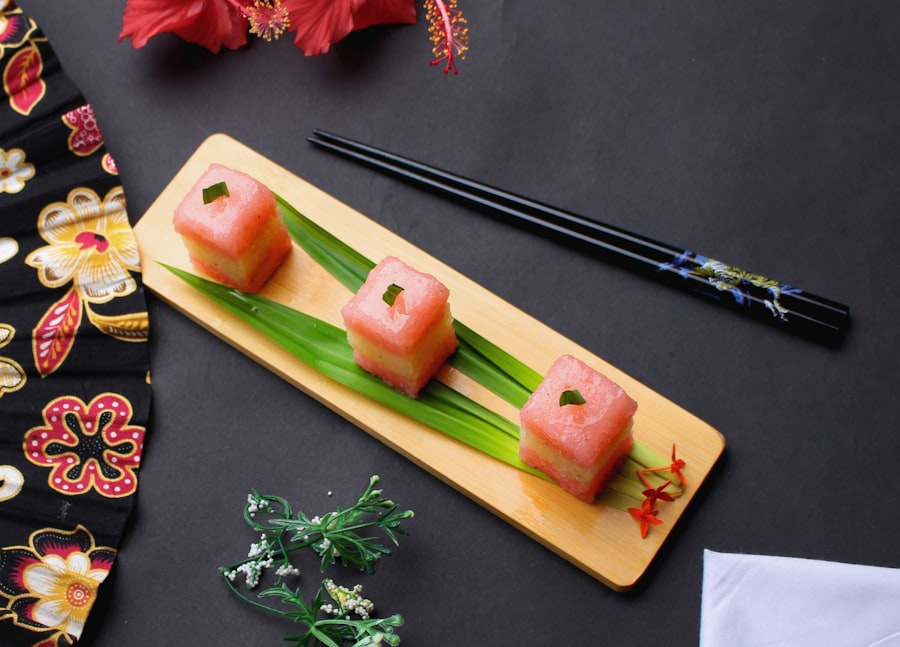
The local markets of Seoul are a treasure trove for food enthusiasts eager to explore the diverse flavors that define Korean cuisine. Each market offers a distinct culinary experience, with vendors specializing in various products that reflect the region’s agricultural output and culinary traditions. As one strolls through these bustling marketplaces, the air is filled with enticing aromas—grilled meats sizzling on hot plates, the sweet scent of freshly made tteok (rice cakes), and the pungent tang of fermented vegetables.
At Gwangjang Market, one can find an array of traditional dishes that have stood the test of time. The market is particularly famous for its bindaetteok (mung bean pancakes), which are made from ground mung beans mixed with vegetables and fried to golden perfection. The crispy exterior gives way to a soft interior bursting with flavor, often served with a side of soy sauce for dipping.
Similarly, Namdaemun Market offers a plethora of street food options, including hotteok (sweet pancakes filled with brown sugar and nuts) and mandu (dumplings), each bite revealing layers of flavor that tell a story of culinary heritage.
Must-Try Dishes in Seoul’s Local Markets
When visiting Seoul’s local markets, certain dishes stand out as must-tries for anyone looking to experience authentic Korean flavors. One such dish is bibimbap, a colorful rice bowl topped with an assortment of vegetables, meat, and a fried egg, all drizzled with gochujang (red chili paste). The beauty of bibimbap lies not only in its presentation but also in its harmonious blend of textures and flavors.
Each ingredient contributes to a balanced meal that is both satisfying and nutritious. Another iconic dish found in these markets is tteokbokki—spicy stir-fried rice cakes that have become a beloved street food staple. The chewy rice cakes are cooked in a sweet and spicy sauce made from gochujang and fish cakes, creating a dish that is both comforting and addictive.
For those with a penchant for seafood, odeng (fish cake skewers) served in a warm broth provide a delightful snack that warms the soul on chilly days. Each market visit reveals new culinary delights waiting to be discovered, making it an adventure for the taste buds.
Meeting Local Vendors and Learning About Traditional Ingredients
| Market Name | Location | Popular Traditional Dishes | Average Price Range | Visitor Rating (out of 5) | Operating Hours |
|---|---|---|---|---|---|
| Gwangjang Market | Jongno-gu, Seoul | Mayak Kimbap, Bindaetteok, Tteokbokki | 3 – 8 | 4.6 | 9:00 AM – 10:00 PM |
| Namdaemun Market | Jung-gu, Seoul | Hotteok, Jokbal, Sundae | 2 – 7 | 4.3 | 10:00 AM – 8:00 PM |
| Tongin Market | Jongno-gu, Seoul | Dosirak Cafe (Lunchbox), Jeon, Kimchi | 4 – 9 | 4.5 | 10:30 AM – 6:30 PM |
| Garak Market | Songpa-gu, Seoul | Fresh Seafood, Sashimi, Korean BBQ | 5 – 12 | 4.2 | 5:00 AM – 6:00 PM |
| Majang Meat Market | Seongdong-gu, Seoul | Grilled Beef, Pork Belly, Korean BBQ | 6 – 15 | 4.4 | 6:00 AM – 8:00 PM |
One of the most enriching aspects of exploring Seoul’s local markets is the opportunity to meet local vendors who are passionate about their craft. These individuals often have deep knowledge about their products and can share stories about their origins and preparation methods. Engaging with vendors not only enhances the shopping experience but also fosters a connection to the community and its culinary traditions.
Many vendors take pride in sourcing their ingredients locally, ensuring freshness and quality while supporting regional farmers. For instance, one might encounter a vendor specializing in seasonal produce who can explain the benefits of using organic vegetables or share tips on how to select the best ingredients for home cooking. Additionally, some vendors offer samples of their products, allowing visitors to taste before they buy—a practice that encourages exploration and discovery while highlighting the unique flavors of Korean cuisine.
The Role of Local Markets in Preserving Korean Culinary Traditions
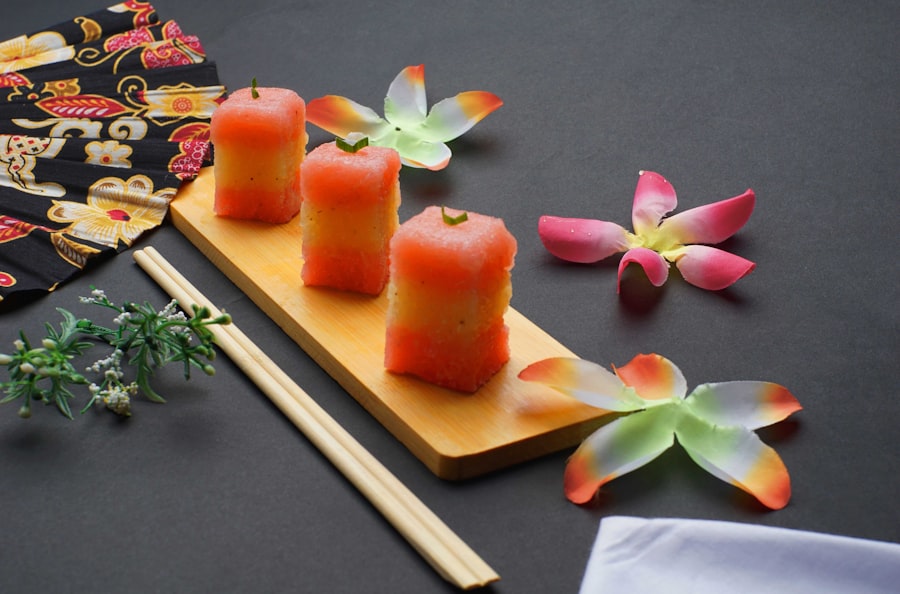
Local markets play a crucial role in preserving Korea’s culinary traditions by serving as platforms for artisans and food producers to showcase their skills. These markets are often family-run businesses that have been passed down through generations, ensuring that traditional recipes and techniques remain alive in an ever-evolving culinary landscape. As globalization influences food trends worldwide, these markets stand as bastions of authenticity where time-honored practices continue to thrive.
Moreover, local markets contribute to cultural preservation by fostering community engagement and education. Many markets host events such as cooking demonstrations or food festivals that celebrate traditional dishes and ingredients. These initiatives not only attract locals but also educate tourists about Korea’s rich culinary heritage.
By participating in these events or simply visiting the markets regularly, individuals can gain a deeper appreciation for the cultural significance of food in Korea.
Tips for Navigating and Enjoying Seoul’s Local Markets
Navigating Seoul’s local markets can be an exhilarating experience filled with sensory overload. To make the most of your visit, it’s essential to approach these bustling spaces with an open mind and a sense of adventure. First and foremost, it’s advisable to go during off-peak hours if possible; early mornings or late afternoons tend to be less crowded, allowing for a more leisurely exploration without feeling rushed.
When it comes to sampling food, don’t hesitate to try small portions from various vendors rather than committing to one dish right away. This strategy allows you to experience a wider range of flavors while also supporting multiple local businesses. Additionally, learning a few basic Korean phrases can enhance your interactions with vendors; simple greetings or expressions of appreciation can go a long way in building rapport.
Lastly, be prepared to bargain—haggling is often part of the market culture and can lead to better deals while adding an element of fun to your shopping experience.
Bringing the Taste of Seoul’s Local Markets Home: Recipes and Cooking Classes
For those who wish to recreate the vibrant flavors of Seoul’s local markets at home, numerous resources are available to help bridge the gap between experience and practice. Many local chefs offer cooking classes that focus on traditional Korean dishes using authentic ingredients sourced from these very markets. Participants can learn not only how to prepare popular dishes but also gain insights into the cultural significance behind each recipe.
Additionally, numerous cookbooks dedicated to Korean cuisine provide step-by-step instructions for making beloved dishes like kimchi or bulgogi (marinated beef). These resources often include tips on sourcing ingredients locally or substituting them with available alternatives if certain items are hard to find outside Korea. By bringing these recipes into your kitchen, you can savor the essence of Seoul’s local markets long after your visit has ended, allowing you to share these culinary experiences with friends and family back home.
FAQs
What types of traditional Korean cuisine can I find in Seoul’s local markets?
In Seoul’s local markets, you can find a wide variety of traditional Korean dishes such as tteokbokki (spicy rice cakes), hotteok (sweet pancakes), kimchi, bibimbap (mixed rice with vegetables), mandu (dumplings), and various types of jeon (Korean pancakes). Many markets also offer fresh seafood, grilled meats, and street snacks unique to Korean culture.
Which local markets in Seoul are best for experiencing traditional cuisine?
Some of the most popular markets for traditional Korean cuisine in Seoul include Gwangjang Market, Namdaemun Market, and Tongin Market. These markets are known for their authentic food stalls, diverse offerings, and vibrant atmosphere, making them ideal places to sample traditional dishes.
Are the food stalls in Seoul’s local markets hygienic and safe to eat from?
Yes, most food stalls in Seoul’s local markets adhere to strict hygiene standards regulated by local health authorities. Vendors typically prepare food fresh on-site, and the markets are regularly inspected to ensure food safety. However, it is always advisable to choose stalls that appear clean and busy with local customers.
Can I find vegetarian or vegan options in Seoul’s traditional markets?
While traditional Korean cuisine often includes meat and seafood, many markets offer vegetarian-friendly dishes such as vegetable bibimbap, pajeon (green onion pancakes), and various vegetable side dishes (banchan). It is helpful to ask vendors about ingredients or look for stalls specializing in vegetarian or vegan food.
What is the best time to visit Seoul’s local markets for food?
Local markets in Seoul are generally busiest during lunchtime and early evening when many vendors prepare fresh meals. Visiting between 11 AM and 7 PM is ideal for experiencing a wide selection of traditional dishes and enjoying the lively market atmosphere.
Do vendors in Seoul’s local markets accept credit cards?
Many vendors in Seoul’s local markets accept credit cards, but some smaller stalls may only take cash. It is advisable to carry some Korean won in cash to ensure you can purchase food from all vendors without issue.
Is it necessary to speak Korean to order food in Seoul’s local markets?
While knowing some basic Korean phrases can be helpful, many vendors in popular markets understand simple English or use pictures and menus to assist tourists. Pointing to dishes or using translation apps can also make ordering easier for non-Korean speakers.
Are there any cultural etiquettes to keep in mind when eating in Seoul’s local markets?
When eating in local markets, it is polite to wait your turn, avoid loud conversations, and dispose of trash properly. Many markets have designated eating areas, so it is respectful to eat in those spaces rather than walking around with food. Additionally, trying to use chopsticks correctly and showing appreciation for the food is appreciated by vendors.