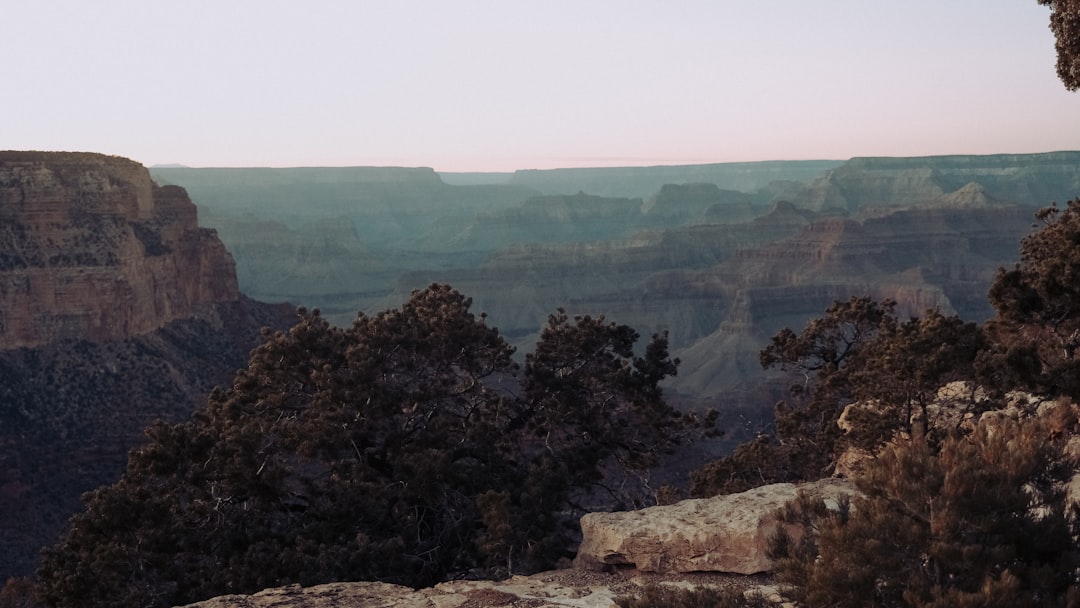
Arizona is widely recognized for its dramatic landscapes, with the Grand Canyon being the most prominent natural attraction. However, the state contains numerous lesser-known canyons that offer equally impressive scenery and distinctive experiences. These include Antelope Canyon, Oak Creek Canyon, and remote areas within the Tonto National Forest, which provide visitors with a more solitary experience compared to heavily trafficked destinations.
Each canyon has developed unique characteristics through geological processes occurring over millions of years, attracting both hikers and nature enthusiasts. Antelope Canyon is particularly notable for its light beams, which enter through narrow openings in the sandstone walls and create distinctive visual effects that appeal to photographers and visitors. Oak Creek Canyon, though less famous than the Grand Canyon, features dense vegetation and a flowing creek bordered by red rock cliffs.
These canyons demonstrate Arizona’s varied geological composition and offer peaceful environments for visitors. The appeal of these lesser-visited canyons stems from their ability to provide a retreat from urban environments, enabling visitors to experience and appreciate Arizona’s natural landscape.
The Rich History and Culture of Arizona’s Lesser-Known Canyons
The canyons of Arizona are not just geological formations; they are steeped in rich history and cultural significance. Many of these lesser-known canyons have been inhabited by Indigenous peoples for thousands of years. For example, the Hopi and Navajo tribes have deep connections to the land, with stories and traditions that are intricately woven into the fabric of these canyons.
The rock art found in places like Canyon de Chelly serves as a testament to the artistic expression and spiritual beliefs of these ancient cultures. Visitors to these canyons can often find petroglyphs and pictographs that tell stories of the past, offering a glimpse into the lives of those who once called these canyons home. Moreover, the history of exploration in Arizona’s canyons is equally fascinating.
In the late 19th century, adventurers and explorers sought to map these remote areas, often facing treacherous conditions and uncharted territories. Figures like John Wesley Powell played pivotal roles in documenting the landscapes of the American Southwest, including its canyons. Their expeditions not only contributed to our understanding of geography but also highlighted the importance of preserving these natural wonders for future generations.
Today, many visitors are drawn to these canyons not only for their beauty but also to connect with the stories that have shaped them over time.
The Unique Flora and Fauna of Arizona’s Secret Canyons
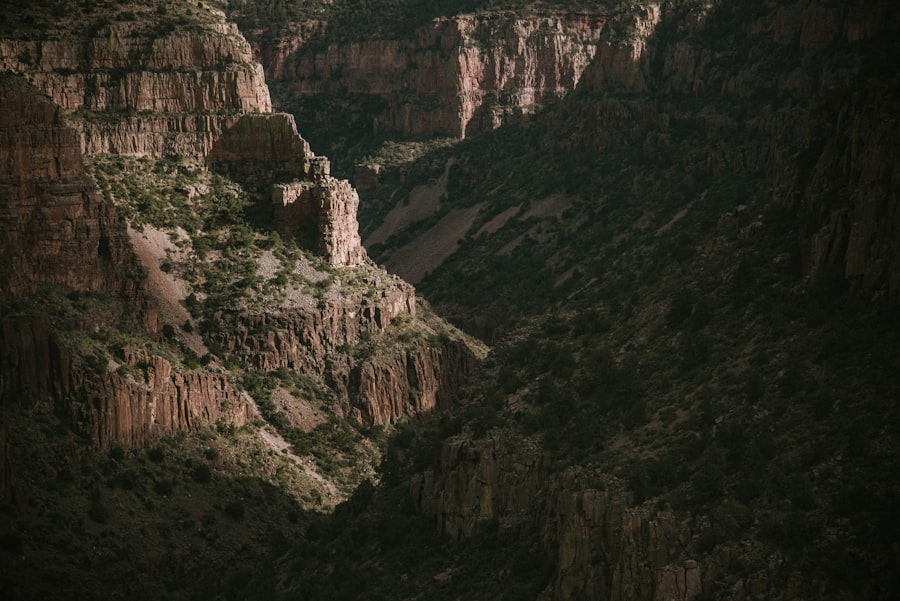
The biodiversity found within Arizona’s lesser-known canyons is remarkable, showcasing a variety of ecosystems that thrive in these unique environments. The interplay between elevation, moisture levels, and sunlight creates microhabitats that support an array of plant and animal species. For instance, Oak Creek Canyon is home to a rich tapestry of vegetation, including sycamores, cottonwoods, and various wildflowers that bloom in vibrant colors during the spring months.
This lush flora provides essential habitat for numerous bird species, making it a prime location for birdwatching enthusiasts. In contrast, other canyons may feature arid landscapes where resilient desert plants like cacti and yuccas dominate. The Saguaro cactus, an iconic symbol of the American Southwest, can be found in some of these hidden canyons, standing tall against the backdrop of rugged cliffs.
Wildlife is equally diverse; visitors may encounter mule deer grazing in the early morning light or catch sight of elusive mountain lions prowling through the shadows. The unique combination of flora and fauna in these canyons not only contributes to their ecological significance but also enhances the overall experience for those who venture into their depths.
Adventure and Exploration: Activities in Arizona’s Hidden Canyons
For those seeking adventure, Arizona’s hidden canyons offer a plethora of activities that cater to various interests and skill levels. Hiking is perhaps the most popular way to explore these natural wonders. Trails range from easy walks along creek beds to challenging scrambles up rocky inclines.
For example, the West Fork Trail in Oak Creek Canyon provides a scenic hike that follows a babbling creek through towering red rock formations, making it accessible for families while still offering stunning views. Beyond hiking, many canyons present opportunities for rock climbing and rappelling. The sheer walls of sandstone in places like Red Rock Canyon attract climbers from around the world who seek to test their skills against these natural monoliths.
Additionally, kayaking or canoeing on rivers that flow through some canyons allows adventurers to experience the landscape from a different perspective. The thrill of navigating through narrow passages while surrounded by towering cliffs adds an exhilarating element to any outdoor excursion. Whether one is looking for a leisurely stroll or an adrenaline-pumping adventure, Arizona’s hidden canyons provide an array of options for exploration.
The Geological Wonders of Arizona’s Lesser-Known Canyons
| Canyon Name | Location | Length (miles) | Average Depth (feet) | Popular Activities | Accessibility |
|---|---|---|---|---|---|
| Antelope Canyon | Page, Arizona | 0.5 | 120 | Photography, Guided Tours | Guided tours only |
| Paria Canyon | Near Vermilion Cliffs, Arizona | 38 | 500 | Hiking, Backpacking | Permit required |
| Sycamore Canyon | Prescott National Forest | 21 | 800 | Hiking, Camping, Wildlife Viewing | Open to public |
| Oak Creek Canyon | Near Sedona, Arizona | 12 | 1,000 | Hiking, Fishing, Scenic Drives | Open to public |
| Salt River Canyon | Near Globe, Arizona | 25 | 1,200 | Rafting, Fishing, Hiking | Open to public |
The geological formations found within Arizona’s lesser-known canyons are nothing short of extraordinary. These canyons have been sculpted over millions of years by natural forces such as erosion, weathering, and tectonic activity. The result is a stunning display of rock layers that tell a story of Earth’s history.
For instance, the colorful stratification visible in places like Antelope Canyon showcases sedimentary layers that have been deposited over time, revealing insights into ancient environments. Moreover, many canyons feature unique rock formations that have become iconic symbols of the region. The hoodoos found in places like Chiricahua National Monument are fascinating geological structures formed through volcanic activity and erosion.
These towering spires create an otherworldly landscape that captivates visitors and geologists alike. Exploring these geological wonders not only provides an opportunity to appreciate their beauty but also fosters a deeper understanding of the Earth’s processes and history.
Preserving Arizona’s Secret Canyons: Conservation and Sustainability Efforts
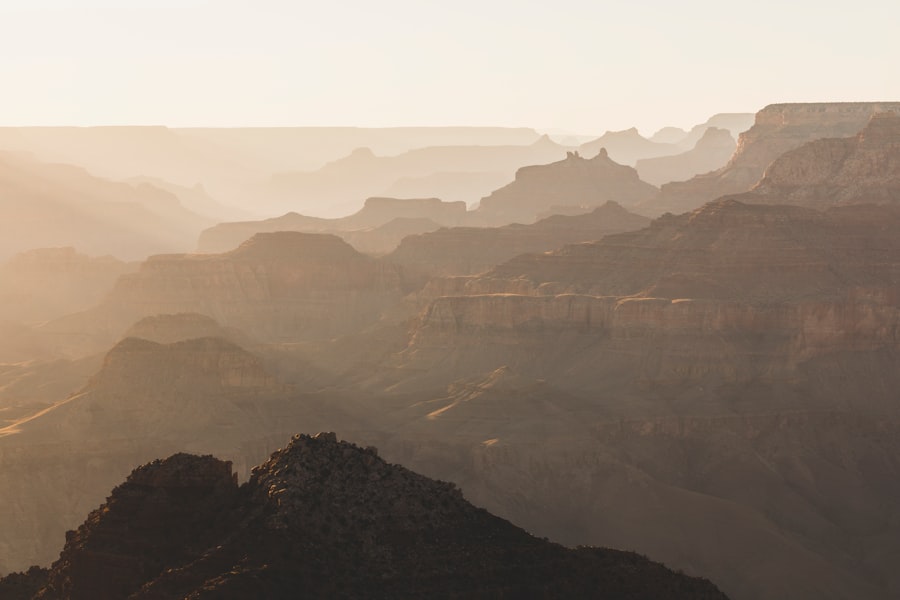
As interest in Arizona’s hidden canyons continues to grow, so too does the need for conservation efforts to protect these fragile ecosystems. Organizations such as the Arizona Wilderness Coalition work tirelessly to advocate for sustainable practices that ensure these natural treasures remain intact for future generations. Initiatives include promoting responsible tourism practices, such as Leave No Trace principles, which encourage visitors to minimize their impact on the environment while exploring these areas.
Additionally, local communities often engage in restoration projects aimed at rehabilitating damaged areas within the canyons. These efforts may involve removing invasive species that threaten native flora or restoring trails that have suffered from erosion due to increased foot traffic. By fostering a sense of stewardship among visitors and residents alike, conservationists aim to create a culture that values and protects Arizona’s secret canyons as vital components of the state’s natural heritage.
The Best Times to Visit Arizona’s Secret Canyons
Timing plays a crucial role in experiencing the beauty of Arizona’s hidden canyons fully. The best times to visit often depend on individual preferences regarding weather conditions and crowd levels. Spring and fall are generally considered ideal seasons for exploration due to milder temperatures and vibrant foliage.
In spring, wildflowers bloom across many canyon landscapes, adding bursts of color against the red rock backdrops. Fall brings cooler temperatures and stunning autumn colors as leaves change, creating picturesque scenes perfect for photography. Summer months can be sweltering in some areas; however, higher elevation canyons may offer respite from the heat with cooler temperatures and refreshing breezes.
Conversely, winter visits provide opportunities for solitude as fewer tourists venture into these remote areas during colder months. Snow-capped peaks surrounding some canyons create a striking contrast against red rock formations, offering unique photographic opportunities for those willing to brave the chill.
Tips for Exploring Arizona’s Secret Canyons: What to Know Before You Go
Before embarking on an adventure into Arizona’s hidden canyons, there are several essential tips to keep in mind to ensure a safe and enjoyable experience. First and foremost, it’s crucial to research specific canyon conditions ahead of time; weather patterns can change rapidly in this region, impacting trail accessibility and safety. Additionally, understanding the level of difficulty associated with various trails will help visitors choose routes that match their skill levels.
Packing appropriate gear is equally important; sturdy hiking boots are essential for navigating rocky terrain, while plenty of water is necessary to stay hydrated in arid conditions. Sunscreen and hats are also recommended due to intense sun exposure at higher elevations or during midday hikes. Lastly, being respectful of wildlife and adhering to Leave No Trace principles will help preserve these beautiful landscapes for future generations while allowing everyone to enjoy their natural splendor responsibly.
Exploring Arizona’s lesser-known canyons offers an opportunity to connect with nature on a deeper level while discovering hidden treasures away from the crowds. With their rich history, unique ecosystems, thrilling adventures, geological wonders, conservation efforts, optimal visiting times, and practical tips for exploration, these secret canyons stand as testament to Arizona’s diverse beauty waiting to be uncovered by those willing to venture off the beaten path.
FAQs
What are some lesser-known canyons in Arizona besides the Grand Canyon?
Arizona is home to several stunning canyons beyond the Grand Canyon, including Antelope Canyon, Canyon de Chelly, Oak Creek Canyon, and Walnut Canyon. Each offers unique geological formations and scenic beauty.
Where is Antelope Canyon located?
Antelope Canyon is located near the town of Page in northern Arizona. It is famous for its narrow passageways and light beams that create spectacular photographic opportunities.
Can visitors hike in these hidden canyons?
Yes, many of Arizona’s lesser-known canyons offer hiking opportunities. For example, Oak Creek Canyon has several trails, and Canyon de Chelly features guided hikes. However, some areas like Antelope Canyon require guided tours for safety and preservation reasons.
Are permits required to visit these canyons?
Permit requirements vary by location. For instance, visiting Antelope Canyon requires booking a guided tour, which acts as a permit. Canyon de Chelly is on Navajo land, and visitors often need to join guided tours or obtain permission from the Navajo Nation.
What is the best time of year to visit these hidden canyons?
Spring and fall are generally the best times to visit Arizona’s canyons due to milder temperatures and fewer crowds. Summer can be very hot, especially in lower elevation canyons, while winter may bring snow to higher elevations.
Are these canyons accessible for families and beginners?
Many of the hidden canyons have trails suitable for families and beginners, such as the Rim Trail at Walnut Canyon. However, some areas may have challenging terrain, so it’s important to research specific trails and conditions before visiting.
What makes these canyons unique compared to the Grand Canyon?
While the Grand Canyon is known for its vast size and depth, other Arizona canyons offer unique features such as slot canyon formations (Antelope Canyon), ancient Native American ruins (Canyon de Chelly), lush vegetation (Oak Creek Canyon), and cliff dwellings (Walnut Canyon).
Are there guided tours available for these hidden canyons?
Yes, many of these canyons offer guided tours, which can enhance the experience by providing historical, cultural, and geological insights. Tours are especially recommended for places like Antelope Canyon and Canyon de Chelly.
Is photography allowed in these canyons?
Photography is generally allowed, but some locations may have restrictions or require permits for professional equipment. Antelope Canyon is particularly popular among photographers due to its unique light and rock formations.
How can visitors prepare for a trip to these hidden canyons?
Visitors should bring plenty of water, wear appropriate footwear, check weather conditions, and be aware of any permit or tour requirements. It’s also advisable to respect local regulations and cultural sensitivities, especially when visiting Navajo Nation lands.