The United States is home to a remarkable array of natural wonders, many of which are preserved within the boundaries of its national parks. Established to protect the unique landscapes, ecosystems, and cultural heritage of the nation, these parks serve as sanctuaries for both wildlife and visitors seeking solace in nature. The concept of national parks originated in the U.S.
with the establishment of Yellowstone National Park in 1872, which set a precedent for conservation efforts worldwide. Today, there are over 60 national parks across the country, each offering distinct experiences that reflect the diverse geography and climate of the United States. National parks are not merely recreational areas; they are vital for ecological preservation and education.
They provide habitats for countless species, some of which are endangered or threatened. The parks also play a crucial role in scientific research, allowing scientists to study ecosystems in their natural state. Furthermore, they offer a space for cultural reflection, showcasing the history and heritage of Indigenous peoples and early settlers.
As such, national parks are a testament to the commitment to preserving the natural beauty and cultural significance of America for future generations.
Key Takeaways
- The USA is home to some of the most stunning and diverse national parks in the world.
- The Grand Canyon National Park is known for its breathtaking views and unique geological formations.
- Yellowstone National Park is famous for its geysers, hot springs, and diverse wildlife.
- Yosemite National Park is renowned for its towering granite cliffs, waterfalls, and ancient sequoia trees.
- Zion National Park is characterized by its towering red rock formations and scenic canyons.
The Grand Canyon National Park
The Grand Canyon National Park, located in Arizona, is one of the most iconic natural landmarks in the United States. Spanning over 1.2 million acres, this park is renowned for its immense size and intricate landscape, carved by the Colorado River over millions of years. The canyon itself stretches approximately 277 miles in length, reaching depths of over a mile in some areas.
The vibrant colors of the rock layers tell a geological story that dates back nearly two billion years, making it a site of immense scientific interest. Visitors to the Grand Canyon can experience its grandeur from various vantage points along the South Rim, which is the most accessible area and offers numerous viewpoints such as Mather Point and Yavapai Observation Station. For those seeking adventure, hiking trails like the Bright Angel Trail and South Kaibab Trail provide opportunities to descend into the canyon itself, revealing breathtaking vistas and unique geological formations.
Rafting down the Colorado River is another exhilarating way to experience the canyon’s scale and beauty, allowing adventurers to navigate through its rapids while surrounded by towering cliffs.
Yellowstone National Park
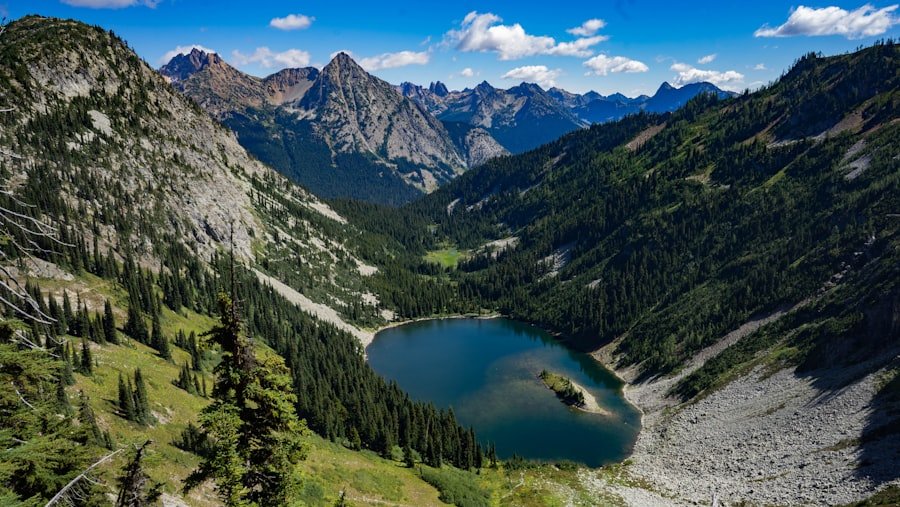
Yellowstone National Park is often regarded as the first national park in the world, established in 1872. Located primarily in Wyoming, it spans over 3,400 square miles and is famous for its geothermal features, including geysers, hot springs, and fumaroles. The park sits atop a supervolcano, which contributes to its unique geothermal activity.
Old Faithful, one of the most famous geysers globally, erupts approximately every 90 minutes, drawing crowds eager to witness this natural spectacle. Beyond its geothermal wonders, Yellowstone is also home to diverse wildlife. The park’s ecosystems range from lush forests to expansive grasslands, providing habitats for species such as bison, elk, wolves, and grizzly bears.
The Lamar Valley is particularly renowned for wildlife viewing, often referred to as “America’s Serengeti” due to its abundance of large mammals. Visitors can explore the park through a network of trails and roads, with opportunities for hiking, camping, and photography that capture the stunning landscapes and vibrant wildlife.
Yosemite National Park
| Metrics | Data |
|---|---|
| Area | 747,956 acres |
| Visitors | 4,336,890 (in 2020) |
| Established | October 1, 1890 |
| Annual Precipitation | 37 inches |
| Highest Elevation | 13,114 feet (Mount Lyell) |
Yosemite National Park in California is celebrated for its dramatic granite cliffs, waterfalls, and ancient giant sequoias. Established in 1890, it encompasses nearly 1,200 square miles of wilderness that showcases some of the most breathtaking scenery in North America. The park’s iconic features include El Capitan and Half Dome, which attract rock climbers from around the world seeking to conquer their sheer faces.
Yosemite Falls, one of the tallest waterfalls in North America, cascades down nearly 2,500 feet and is a must-see during spring when snowmelt feeds its flow. The park’s diverse ecosystems support a wide range of flora and fauna. From meadows filled with wildflowers to dense forests of towering sequoias, Yosemite offers visitors a chance to connect with nature on multiple levels.
Hiking trails such as the Mist Trail lead adventurers past stunning waterfalls and panoramic views of the valley below. Additionally, Yosemite’s rich cultural history is evident through its Native American heritage and the influence of early conservationists like John Muir, who played a pivotal role in advocating for the park’s preservation.
Zion National Park
Zion National Park in Utah is known for its stunning red rock formations and dramatic canyons. Established in 1919, it covers over 146,000 acres and features a diverse landscape that includes high plateaus, slot canyons, and rock towers. The park’s main canyon is carved by the Virgin River and offers visitors breathtaking views from various trails.
One of the most popular hikes is Angels Landing, which provides an exhilarating ascent with steep drop-offs and stunning vistas at the summit. Zion’s unique geology is characterized by Navajo sandstone formations that have been shaped by erosion over millions of years. The park is also home to a variety of ecosystems that support diverse wildlife, including bighorn sheep, mule deer, and numerous bird species.
The Narrows hike allows visitors to wade through the Virgin River while surrounded by towering canyon walls that create an otherworldly atmosphere. Zion’s combination of natural beauty and recreational opportunities makes it a favorite destination for outdoor enthusiasts.
Great Smoky Mountains National Park

Great Smoky Mountains National Park straddles the border between North Carolina and Tennessee and is renowned for its biodiversity and stunning mountain scenery. Established in 1934, it is one of the most visited national parks in the United States, attracting millions of visitors each year. The park encompasses over 800 square miles of lush forests, rolling hills, and mist-covered mountains that give it its name.
The Appalachian Trail runs through the park, offering hikers a chance to experience its beauty on foot. The park’s rich biodiversity is one of its most significant features; it is home to more than 19,000 documented species of living organisms, with estimates suggesting that tens of thousands more remain undiscovered. This ecological richness is complemented by a wealth of cultural history, including remnants of early Appalachian settlements and Native American heritage sites.
Visitors can explore scenic drives like Cades Cove or embark on hikes to waterfalls such as Laurel Falls or Grotto Falls. The changing seasons also offer unique experiences; spring brings wildflower blooms while autumn showcases vibrant foliage.
Acadia National Park
Acadia National Park in Maine is celebrated for its rugged coastline and stunning views of the Atlantic Ocean. Established in 1916 as Sieur de Monts National Monument before being designated as a national park in 1927, Acadia encompasses over 49,000 acres of diverse landscapes that include granite peaks, woodlands, and pristine lakes. Cadillac Mountain is one of its most famous features; it is known as the first place in the United States to see sunrise each day due to its elevation.
The park offers a variety of recreational activities that cater to different interests. Hiking trails like Jordan Pond Path provide scenic views while allowing visitors to immerse themselves in nature. Biking along the carriage roads built by John D.
Rockefeller Jr. offers a unique way to explore Acadia’s landscapes without disturbing wildlife habitats. Additionally, Acadia’s coastal location makes it an excellent spot for birdwatching and observing marine life; visitors may spot seals basking on rocks or whales breaching offshore during certain seasons.
Conclusion and Tips for Visiting National Parks
Visiting national parks offers an unparalleled opportunity to connect with nature while exploring some of America’s most breathtaking landscapes. To make the most out of your experience in these natural wonders, planning ahead is essential. Researching each park’s unique features will help you determine which ones align with your interests—whether you’re drawn to hiking challenging trails or simply enjoying scenic drives.
When visiting national parks, consider timing your trip during off-peak seasons to avoid crowds and fully appreciate the tranquility these spaces offer. Early mornings or late afternoons often provide optimal lighting for photography while also increasing your chances of encountering wildlife. Always adhere to park regulations regarding safety and conservation; staying on designated trails helps protect fragile ecosystems while ensuring your safety in potentially hazardous terrain.
Packing appropriately is crucial; bring layers to accommodate changing weather conditions and sturdy footwear for hiking adventures. Carrying sufficient water and snacks will keep your energy levels up during long excursions into nature’s embrace. Lastly, take time to engage with park rangers or attend educational programs offered within many parks; these experiences can deepen your understanding of the natural world while enriching your visit.
By immersing yourself in these magnificent landscapes—whether it’s gazing into the depths of the Grand Canyon or standing atop Cadillac Mountain—you’ll not only create lasting memories but also foster a greater appreciation for America’s natural heritage.
FAQs
What are the top national parks to visit in the United States of America?
– Some of the top national parks to visit in the United States of America include Yellowstone National Park, Grand Canyon National Park, Yosemite National Park, Zion National Park, and Great Smoky Mountains National Park.
What makes Yellowstone National Park a top destination?
– Yellowstone National Park is known for its geothermal features such as geysers and hot springs, as well as its diverse wildlife including bears, wolves, and bison.
What makes Grand Canyon National Park a must-visit?
– Grand Canyon National Park is famous for its breathtaking views of the Grand Canyon, one of the world’s most spectacular natural wonders, carved by the Colorado River over millions of years.
What makes Yosemite National Park a popular choice?
– Yosemite National Park is renowned for its towering granite cliffs, majestic waterfalls, and ancient sequoia trees, making it a paradise for outdoor enthusiasts and nature lovers.
What makes Zion National Park a unique destination?
– Zion National Park is known for its stunning red rock formations, deep canyons, and diverse plant and animal life, offering visitors a chance to explore its otherworldly landscapes.
What makes Great Smoky Mountains National Park a top pick?
– Great Smoky Mountains National Park is the most visited national park in the United States, known for its lush forests, scenic mountain views, and rich cultural history, as well as being a haven for wildlife.