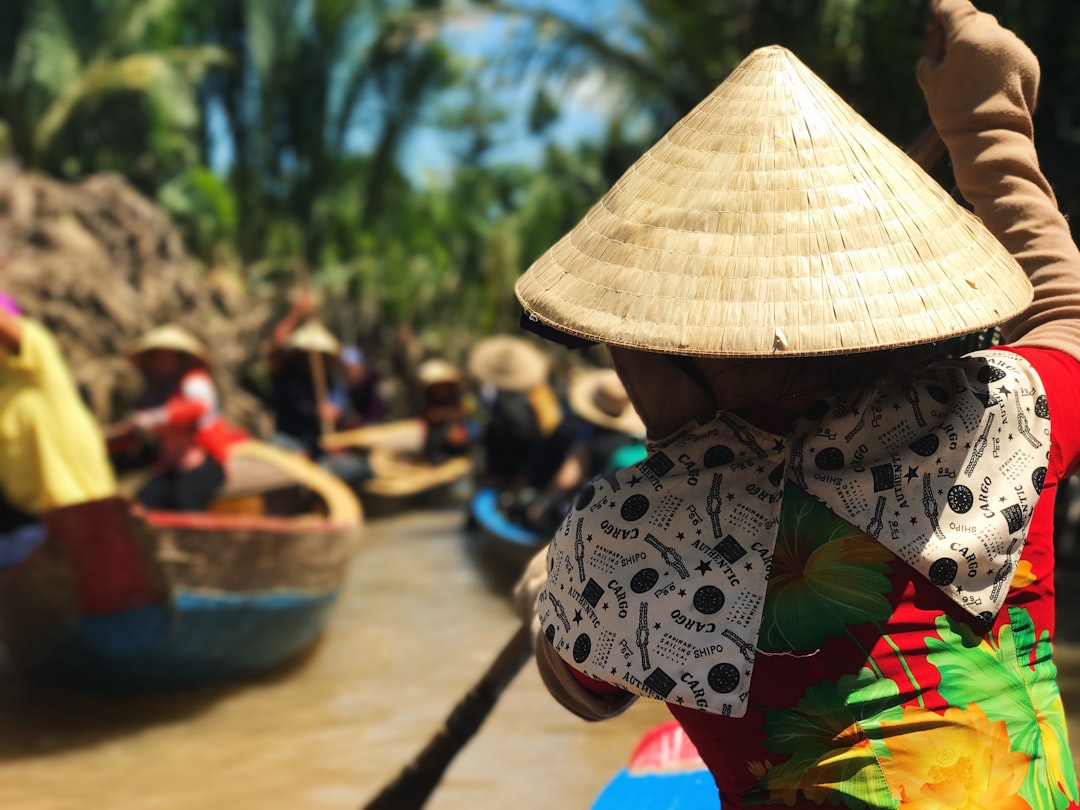
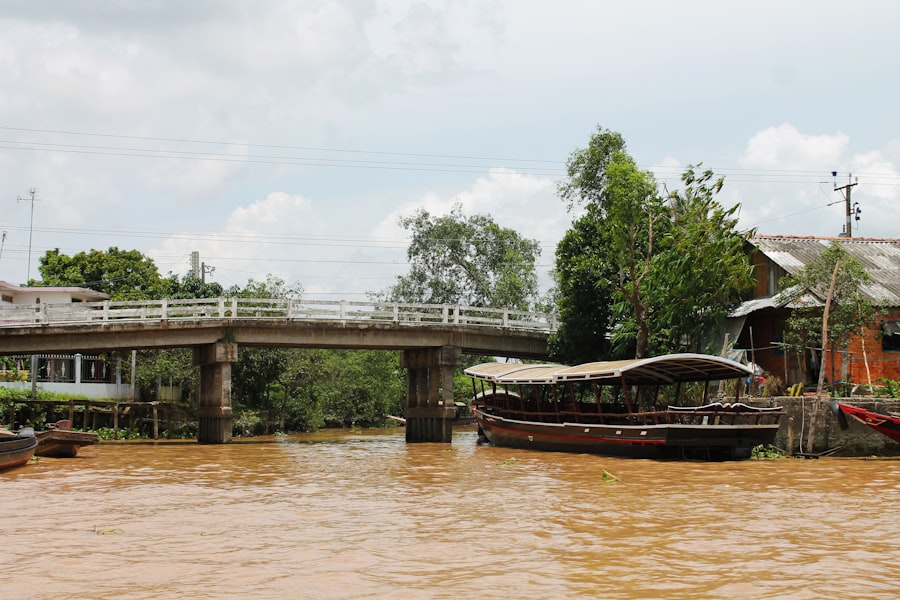
The Mekong Delta is a vast network of rivers, swamps, and islands located in southern Vietnam. Known as the “Rice Bowl” of Vietnam, this region is essential to the country’s agricultural production and serves as a critical transportation and trade route. The Mekong River, one of the world’s longest rivers, flows through the delta and creates a distinctive ecosystem supporting diverse plant and animal species.
The delta’s waterway system includes floating markets, traditional villages, and extensive rice paddies. The Mekong Delta is inhabited by multiple ethnic groups, including Vietnamese, Khmer, and Chinese communities. These populations have shaped the region’s cultural identity through their distinct architectural styles, festivals, and customs.
The delta’s significance lies in both its natural resources and its role as a center of historical and cultural importance. The region demonstrates how traditional practices and contemporary life coexist within Vietnamese society.
Exploring the Charm of Remote Villages
Venturing into the remote villages of the Mekong Delta reveals a world that seems untouched by time. These small communities, often accessible only by boat, are characterized by their stilt houses, vibrant gardens, and the rhythmic sounds of daily life. Each village has its own distinct personality, shaped by its geography and the traditions of its inhabitants.
For instance, in villages like Ben Tre, known for its coconut production, visitors can witness the intricate process of coconut candy making and explore the lush coconut groves that define the landscape. In contrast, the village of Can Tho offers a different experience with its bustling floating markets and vibrant agricultural practices. Here, one can observe farmers bringing their fresh produce to market on boats, creating a colorful spectacle that reflects the delta’s agricultural abundance.
The charm of these remote villages lies not only in their picturesque settings but also in the warmth and hospitality of their residents. Engaging with locals provides an opportunity to learn about their way of life, from traditional fishing techniques to artisanal crafts that have been passed down through generations.
Immersing in Local Culture and Traditions
The cultural richness of the Mekong Delta is deeply intertwined with its traditions and festivals. One of the most significant celebrations is Tet Nguyen Dan, or the Lunar New Year, which is marked by vibrant festivities throughout the region. During this time, families come together to honor their ancestors and prepare special dishes that symbolize prosperity and good fortune.
Visitors can immerse themselves in these celebrations by participating in local customs such as making traditional sticky rice cakes or joining in on lion dances that fill the streets with color and excitement. Another fascinating aspect of local culture is the practice of traditional music and dance. The delta is renowned for its folk music genres like “Cai Luong,” a form of modern folk opera that combines music, drama, and dance.
Attending a live performance allows travelers to appreciate the storytelling aspect of this art form while gaining insight into the historical narratives that shape Vietnamese identity. Additionally, local artisans often showcase their crafts during cultural events, providing an opportunity to witness traditional weaving or pottery-making techniques that have been preserved over centuries.
Uncovering the Natural Beauty of the Delta
The natural beauty of the Mekong Delta is nothing short of breathtaking. The region’s landscape is characterized by lush greenery, winding rivers, and an abundance of wildlife. One can explore this beauty by taking a boat tour through the myriad canals that crisscross the delta.
These waterways are lined with mangroves and water lilies, creating a serene environment that feels worlds away from urban life. Birdwatchers will find paradise here; the delta is home to numerous species of birds, including herons and kingfishers, making it an ideal spot for nature enthusiasts. In addition to its waterways, the delta boasts stunning rice paddies that stretch as far as the eye can see.
The sight of farmers tending to their fields against a backdrop of golden rice stalks is emblematic of rural life in Vietnam. Visiting during harvest season offers a unique opportunity to witness this age-old practice firsthand. The interplay between water and land creates a dynamic ecosystem that supports not only agriculture but also fishing communities that rely on the river’s bounty for their livelihoods.
Experiencing Authentic Vietnamese Cuisine
| Village Name | Province | Population | Main Economic Activity | Unique Feature | Accessibility |
|---|---|---|---|---|---|
| Tan Phu | Ben Tre | 3,200 | Coconut Farming | Traditional Coconut Candy Making | Boat and Road |
| Phong Dien | Can Tho | 2,800 | Floating Markets | Floating Fruit Market | Boat Only |
| Vinh Chau | Soc Trang | 4,500 | Rice Cultivation | Traditional Khmer Culture | Road |
| Tra Su | An Giang | 1,900 | Eco-tourism | Tra Su Cajuput Forest | Boat and Road |
| My Khanh | Can Tho | 3,000 | Fruit Orchards | Fruit Picking Tours | Road |
No visit to the Mekong Delta would be complete without indulging in its culinary delights. The region’s cuisine is heavily influenced by its geography, with an emphasis on fresh ingredients sourced from both land and water. One must-try dish is “Hu Tieu,” a flavorful noodle soup made with a variety of meats and seafood, often served with fresh herbs and lime.
Street vendors and local eateries offer their own unique takes on this dish, allowing visitors to experience a range of flavors that reflect regional variations. Another culinary highlight is “Banh Xeo,” a savory Vietnamese pancake filled with shrimp, pork, bean sprouts, and herbs. This dish is typically cooked in large skillets over open flames and served with fresh lettuce leaves for wrapping.
The combination of crispy texture and fresh ingredients makes it a favorite among locals and travelers alike. Exploring local markets provides an opportunity to sample an array of fruits unique to the delta, such as rambutan and dragon fruit, which add vibrant colors and flavors to any meal.
Meeting the Friendly and Hospitable Locals
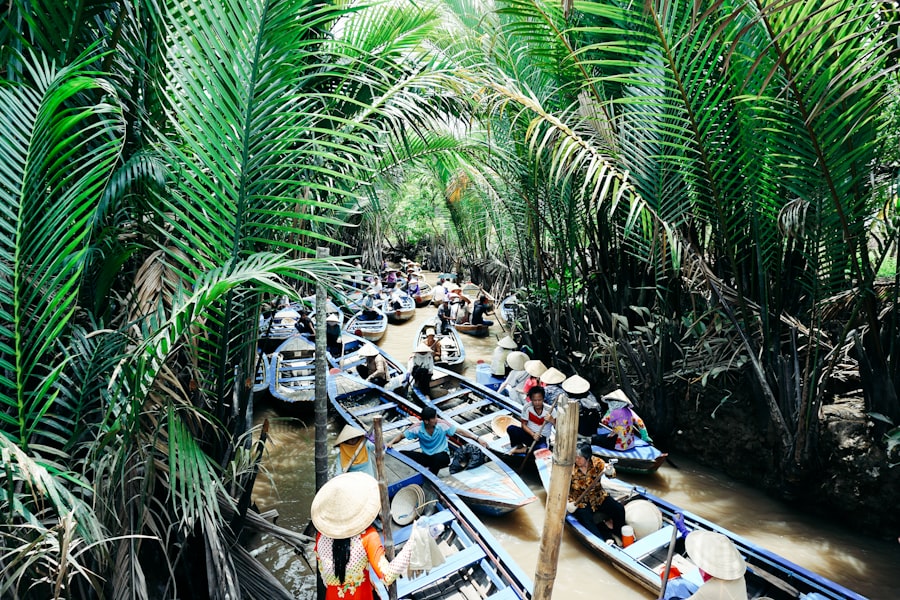
The true essence of the Mekong Delta lies in its people. The locals are known for their warmth and hospitality, often welcoming visitors with open arms. Engaging with residents provides invaluable insights into their daily lives and traditions.
Many families operate small homestays or guesthouses, offering travelers an authentic experience while fostering cultural exchange. Staying with a local family allows visitors to partake in daily activities such as fishing or farming while enjoying home-cooked meals made from fresh ingredients. Conversations with locals often reveal stories that reflect their resilience and connection to the land.
Many residents have lived through significant historical events that have shaped their lives and communities. Listening to these narratives not only enriches one’s understanding of the region but also fosters a sense of connection between travelers and locals. Whether it’s sharing laughter over a meal or participating in community events, these interactions create lasting memories that transcend cultural boundaries.
Participating in Eco-friendly Activities
As awareness grows regarding environmental sustainability, many travelers are seeking eco-friendly activities during their visits to places like the Mekong Delta. The region offers numerous opportunities for responsible tourism that benefits both visitors and local communities. One popular activity is cycling through rural villages and rice paddies, allowing travelers to explore at their own pace while minimizing their carbon footprint.
Many tour operators provide bicycles for rent or guided tours that emphasize sustainable practices. Additionally, eco-tours often include visits to local farms practicing organic agriculture or aquaculture methods that prioritize environmental health. Engaging in these activities not only supports sustainable livelihoods but also educates visitors about responsible farming practices that protect the delicate ecosystems of the delta.
Kayaking through mangrove forests is another eco-friendly option that allows travelers to appreciate the natural beauty while minimizing disturbance to wildlife habitats.
Tips for a Memorable and Responsible Travel Experience
To ensure a memorable experience in the Mekong Delta while being respectful of local customs and environments, travelers should consider several key tips. First and foremost, learning a few basic Vietnamese phrases can go a long way in building rapport with locals. Simple greetings or expressions of gratitude can enhance interactions and demonstrate respect for their culture.
Travelers should also be mindful of their environmental impact by avoiding single-use plastics and supporting local businesses that prioritize sustainability. When visiting markets or villages, it’s essential to ask for permission before taking photographs of people or their homes; this shows respect for their privacy and cultural norms. Additionally, participating in community-led tours or activities ensures that tourism benefits local economies directly while preserving cultural heritage.
Lastly, being open-minded and adaptable can lead to unexpected adventures in this dynamic region. Embracing spontaneity—whether it’s joining a local festival or trying an unfamiliar dish—can enrich one’s travel experience significantly. By approaching travel in the Mekong Delta with curiosity and respect for its people and environment, visitors can create meaningful connections that last long after they leave this enchanting part of Vietnam.
FAQs
What is the Mekong Delta in Vietnam?
The Mekong Delta is a vast network of rivers, swamps, and islands located in the southern part of Vietnam. It is known as the “Rice Bowl” of Vietnam due to its fertile land and extensive rice production.
Why are remote villages in the Mekong Delta significant?
Remote villages in the Mekong Delta offer a glimpse into traditional Vietnamese rural life, culture, and customs. They are often less influenced by urbanization, preserving unique ways of living, local crafts, and agricultural practices.
How can travelers reach remote villages in the Mekong Delta?
Travelers can reach remote villages by boat, motorbike, or car from major cities like Ho Chi Minh City or Can Tho. Boat tours along the rivers and canals are a popular way to explore these areas.
What activities can visitors do in the remote villages of the Mekong Delta?
Visitors can engage in activities such as boat rides through canals, visiting floating markets, exploring fruit orchards, learning about traditional fishing and farming methods, and experiencing local homestays.
What is the best time to visit the Mekong Delta?
The best time to visit the Mekong Delta is during the dry season, from December to April, when the weather is more pleasant and waterways are easier to navigate.
Are there any cultural considerations when visiting remote villages?
Yes, visitors should respect local customs and traditions, dress modestly, ask permission before taking photos of people, and support local businesses and artisans.
Is it safe to travel to remote villages in the Mekong Delta?
Generally, the Mekong Delta is safe for travelers. However, it is advisable to take standard travel precautions, such as securing belongings, traveling with a guide if unfamiliar with the area, and being cautious on waterways.
What kind of wildlife can be seen in the Mekong Delta?
The Mekong Delta is home to diverse wildlife, including various bird species, fish, and amphibians. Some areas also have protected wetlands and nature reserves that support rare and endangered species.
Can visitors stay overnight in remote villages?
Yes, many remote villages offer homestay accommodations where visitors can experience local hospitality and daily life firsthand.
How does the Mekong Delta contribute to Vietnam’s economy?
The Mekong Delta is a crucial agricultural region, producing a significant portion of Vietnam’s rice, fruits, and seafood, which are vital for both domestic consumption and export.