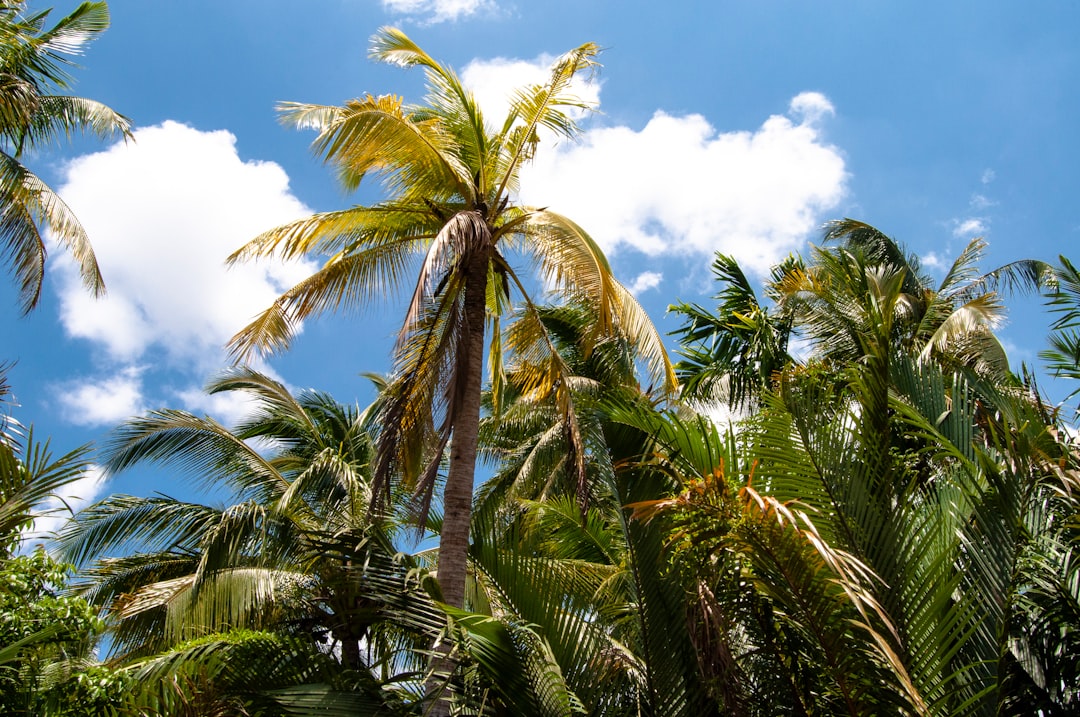
The Mekong Delta is a vast network of rivers, swamps, and islands located in southern Vietnam. Known as the “Rice Bowl” of Vietnam, the region is characterized by extensive biodiversity and significant cultural heritage. The Mekong River, one of the world’s longest rivers, flows through the delta and provides essential nutrients to the land while supporting diverse plant and animal species.
The delta serves as a major agricultural center and is home to multiple ethnic groups, including Khmer, Chinese, and Vietnamese communities, each contributing distinct cultural elements to the region. The delta’s geography is defined by an extensive system of waterways that are fundamental to local communities. These waterways facilitate transportation, trade, and fishing activities, which are central to the region’s economy and daily life.
The delta experiences a tropical climate with distinct wet and dry seasons that determine agricultural cycles. The landscape consists primarily of rice paddies, supplemented by fruit orchards and fishing settlements. This combination of agricultural production, natural ecosystems, and cultural communities makes the Mekong Delta an important region for understanding Vietnam’s economy, environment, and cultural composition.
Exploring the Floating Markets
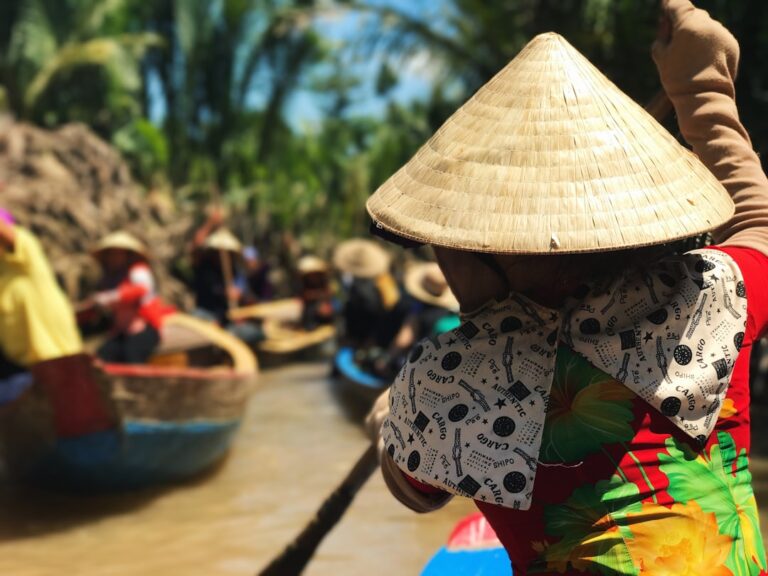
One of the most iconic experiences in the Mekong Delta is visiting its floating markets, where commerce takes place on the water rather than on land. These markets are bustling hubs of activity, showcasing the vibrant trade of fresh produce, local handicrafts, and traditional foods. The most famous floating market is Cai Rang, located near Can Tho.
Here, vendors navigate their boats laden with fruits and vegetables, calling out to potential buyers while negotiating prices. The sight of colorful boats bobbing on the river, laden with goods, creates a lively atmosphere that is both chaotic and charming. At these floating markets, visitors can witness the unique way of life that has developed around the waterways.
Each boat often displays a sample of its goods on a long pole, allowing customers to easily identify what is available for sale. This system not only facilitates trade but also fosters a sense of community among the vendors. Tourists can sample local delicacies such as fresh tropical fruits or traditional Vietnamese dishes prepared right on the boats.
The experience is enhanced by the backdrop of lush greenery and the gentle sounds of water lapping against the hulls of boats, creating an unforgettable sensory experience.
Visiting the Khmer Pagodas
The Mekong Delta is home to numerous Khmer pagodas that reflect the rich cultural heritage of the Khmer people who have inhabited this region for centuries. These pagodas are not only places of worship but also serve as cultural centers that preserve traditional practices and beliefs. One notable example is the Munirangsyaram Pagoda in Soc Trang, which showcases stunning architecture adorned with intricate carvings and vibrant colors.
Visitors can explore the serene grounds, where monks often engage in meditation or rituals, providing a glimpse into the spiritual life of the community. In addition to their architectural beauty, these pagodas often host festivals that attract both locals and tourists alike. The Ok Om Bok Festival, for instance, celebrates the end of the rice harvest and features traditional boat races and cultural performances.
Attending such events allows visitors to engage with local customs and witness firsthand the deep-rooted traditions that continue to thrive in this region. The Khmer pagodas stand as testaments to the resilience of cultural identity amidst changing times, offering travelers an opportunity to appreciate the spiritual and historical significance of these sacred spaces.
Sampling Local Cuisine
The culinary landscape of the Mekong Delta is as diverse as its culture, offering a tantalizing array of flavors that reflect both local ingredients and traditional cooking methods. The region’s proximity to water means that fish and seafood play a central role in many dishes. One must-try delicacy is “hu tieu,” a noodle soup made with a rich broth and topped with various meats and fresh herbs.
Street vendors often serve this dish with a side of lime and chili sauce, allowing diners to customize their experience according to their taste preferences. In addition to seafood dishes, the Mekong Delta is renowned for its tropical fruits, which thrive in its fertile soil. Fruits such as rambutan, longan, and dragon fruit are not only delicious but also visually stunning.
Markets throughout the delta brim with these colorful offerings, inviting visitors to sample their sweetness. Another culinary highlight is “banh xeo,” a savory Vietnamese pancake filled with shrimp, pork, bean sprouts, and herbs. This dish is typically served with fresh lettuce leaves for wrapping and dipping into a tangy sauce.
The combination of flavors and textures in these dishes exemplifies the region’s culinary creativity and commitment to using fresh ingredients.
Cruising the Mekong River
| Village Name | Location | Population | Main Economic Activity | Unique Feature | Accessibility |
|---|---|---|---|---|---|
| Tan Phu | Ben Tre Province | 3,200 | Coconut Farming | Traditional Coconut Candy Production | Boat and Road |
| Phong Dien | Can Tho City | 4,500 | Floating Market Trade | Floating Market Experience | Boat Only |
| Vinh Long | Vinh Long Province | 5,000 | Fruit Orchards | Exotic Fruit Farms | Road and Boat |
| Tra On | Vinh Long Province | 2,800 | Rice Cultivation | Traditional Rice Farming Techniques | Road |
| My Tho | Tien Giang Province | 6,000 | Fishing and Aquaculture | Freshwater Fish Farms | Road |
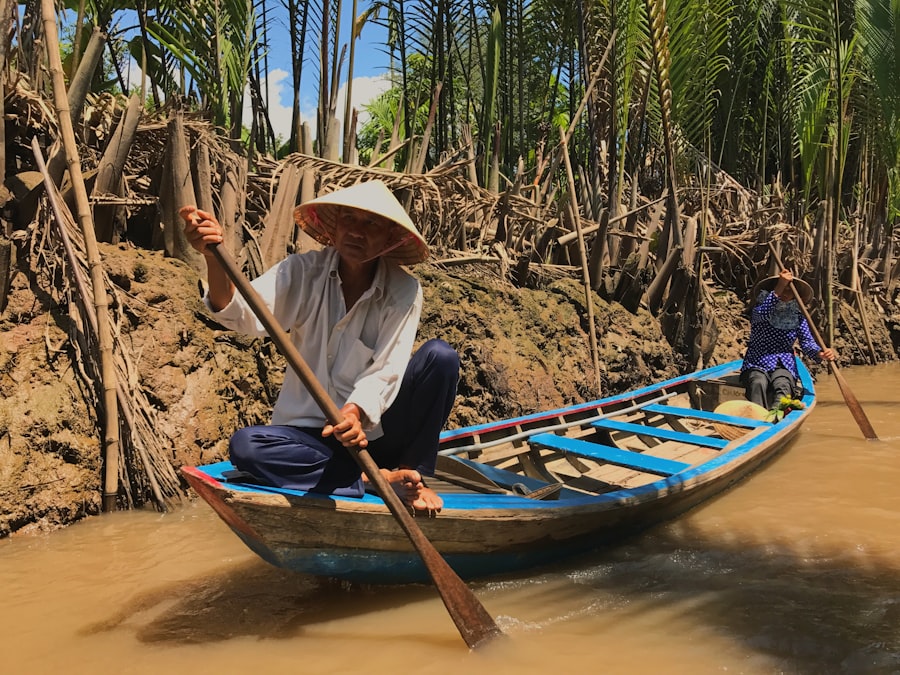
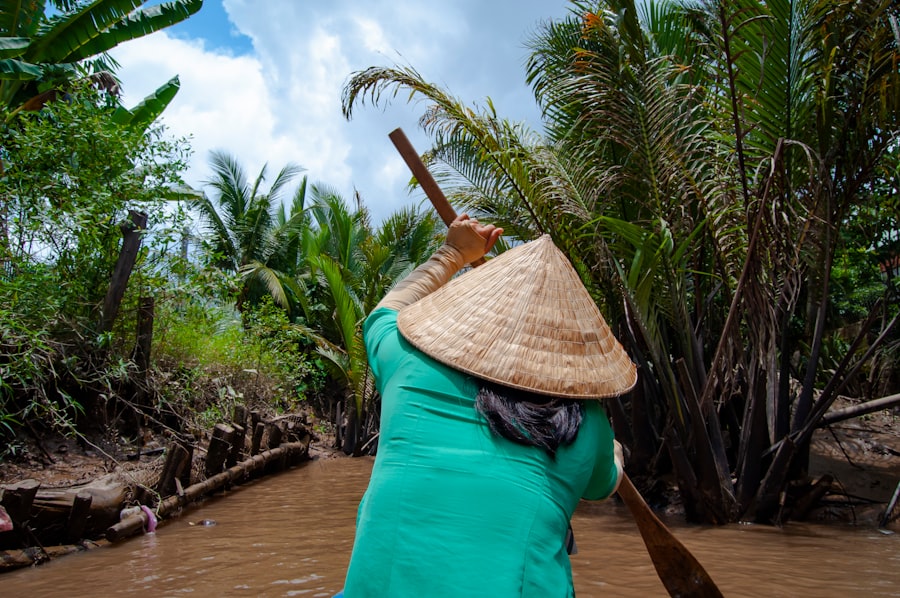
Cruising along the Mekong River offers a unique perspective on this dynamic region, allowing travelers to witness daily life unfold along its banks. Various tour operators provide boat trips that range from short excursions to multi-day journeys, each offering opportunities to explore remote villages and hidden gems that are often inaccessible by road. As you glide along the river’s surface, you can observe fishermen casting their nets, children playing along the shore, and farmers tending to their rice paddies.
The river itself is teeming with life; its waters are home to numerous fish species and other aquatic creatures that sustain local communities. Many cruises include stops at small villages where visitors can interact with locals and learn about traditional crafts such as weaving or pottery-making. These encounters provide invaluable insights into the daily lives of those who call the Mekong Delta home.
Additionally, sunset cruises offer breathtaking views as the sun dips below the horizon, casting golden hues across the water—a perfect way to end a day of exploration.
Discovering Traditional Craft Villages
The Mekong Delta is dotted with traditional craft villages that showcase age-old techniques passed down through generations. These villages are often centered around specific crafts such as pottery, weaving, or wood carving. For instance, in Binh Duong Province, visitors can explore pottery villages where artisans skillfully mold clay into beautiful pots and vases using techniques that have remained unchanged for centuries.
Observing these craftsmen at work provides a deeper appreciation for their artistry and dedication. Another notable craft village is located in My Tho, known for its intricate coconut candy production. Here, visitors can witness the entire process—from extracting coconut milk to cooking it down into sweet confections—while sampling freshly made treats.
Engaging with artisans not only supports local economies but also fosters cultural exchange as visitors learn about the significance of these crafts within their communities. These traditional craft villages serve as living museums that preserve cultural heritage while offering travelers an authentic glimpse into Vietnam’s artisanal legacy.
Experiencing Homestays with Local Families
One of the most enriching ways to experience life in the Mekong Delta is through homestays with local families. These immersive experiences allow travelers to live alongside their hosts, gaining firsthand insight into daily routines and cultural practices. Many homestays are situated in picturesque rural settings surrounded by rice paddies or along riverbanks, providing a tranquil escape from urban life.
During a homestay, guests often participate in household activities such as cooking traditional meals or helping with farming tasks like planting rice or harvesting fruits. This hands-on involvement fosters meaningful connections between hosts and guests while promoting cultural exchange. Families typically share stories about their lives and traditions over shared meals, creating an intimate atmosphere that enhances understanding and appreciation for local customs.
Such experiences not only enrich travelers’ journeys but also contribute to sustainable tourism by supporting local livelihoods.
Exploring the Ecotourism Opportunities
The Mekong Delta’s rich biodiversity presents numerous ecotourism opportunities for those seeking to explore its natural wonders responsibly. Various eco-friendly tours focus on preserving the environment while providing educational experiences about local ecosystems. Birdwatching enthusiasts can visit areas like Tram Chim National Park, home to diverse bird species including endangered ones like the Sarus crane.
Guided tours often include knowledgeable local guides who share insights about conservation efforts and ecological significance. Additionally, many ecotourism initiatives promote sustainable farming practices that benefit both local communities and the environment. Visitors can participate in organic farming workshops or learn about aquaculture techniques that minimize environmental impact while supporting livelihoods.
These experiences not only foster awareness about environmental issues but also empower travelers to make informed choices about their impact on local ecosystems. By engaging with ecotourism opportunities in the Mekong Delta, visitors contribute to conservation efforts while enjoying the region’s natural beauty in a responsible manner. The Mekong Delta stands as a testament to Vietnam’s rich cultural tapestry and ecological diversity.
From its bustling floating markets to serene pagodas and vibrant craft villages, each aspect offers unique insights into life along this vital waterway. Through immersive experiences such as homestays and ecotourism initiatives, travelers can forge meaningful connections with local communities while appreciating the delicate balance between tradition and modernity that defines this remarkable region.
FAQs
What is the Mekong Delta in Vietnam?
The Mekong Delta is a vast network of rivers, swamps, and islands located in the southern part of Vietnam. It is known as the “Rice Bowl” of Vietnam due to its fertile land and extensive rice production.
Why are remote villages in the Mekong Delta significant?
Remote villages in the Mekong Delta offer a glimpse into traditional Vietnamese rural life, culture, and customs. They are often less influenced by urbanization, preserving unique ways of living, local crafts, and agricultural practices.
How can travelers reach remote villages in the Mekong Delta?
Travelers can reach remote villages by boat, motorbike, or car from major cities like Ho Chi Minh City or Can Tho. Boat tours along the rivers and canals are a popular way to explore these areas.
What activities can visitors do in the remote villages of the Mekong Delta?
Visitors can engage in activities such as boat rides through canals, visiting floating markets, exploring fruit orchards, learning about traditional fishing and farming methods, and experiencing local homestays.
What is the best time to visit the Mekong Delta?
The best time to visit the Mekong Delta is during the dry season, from December to April, when the weather is more pleasant and waterways are easier to navigate.
Are there any cultural considerations when visiting remote villages?
Yes, visitors should respect local customs and traditions, dress modestly, ask permission before taking photos of people, and support local businesses and artisans.
What kind of wildlife can be seen in the Mekong Delta?
The Mekong Delta is home to diverse wildlife, including various bird species, fish, and reptiles. Some areas are protected as nature reserves, where visitors can observe native flora and fauna.
Is it safe to travel to remote villages in the Mekong Delta?
Generally, it is safe to travel to remote villages, but visitors should take standard precautions such as traveling with a guide, avoiding isolated areas at night, and ensuring their health and travel insurance are up to date.
What types of accommodations are available in the Mekong Delta’s remote villages?
Accommodations range from basic homestays and guesthouses to eco-lodges and boutique hotels, offering varying levels of comfort and opportunities to experience local hospitality.
How does visiting remote villages benefit local communities?
Tourism provides income and employment opportunities for local residents, helps preserve cultural heritage, and encourages sustainable development in these rural areas.