Creating an effective study area is essential for academic success and personal productivity. The first step is selecting a location that supports concentration and focus. This space should be quiet, separated from household activity, and contain all necessary resources.
A room corner, dedicated home office, or secluded area can work well as a study space. The primary requirement is that the area remains free from interruptions and distractions, enabling sustained focus during study sessions. After choosing an appropriate location, consider the physical layout of your study area.
Furniture and material arrangement directly affects your ability to concentrate. Position your desk to minimize external distractions from windows or doors leading to busy areas. Ensure your study area is well-organized with all required materials easily accessible.
This arrangement increases efficiency and creates an orderly environment that supports effective studying.
Choosing the Right Furniture and Equipment
The choice of furniture and equipment plays a pivotal role in creating a comfortable and functional study environment. A sturdy desk that provides ample space for books, a laptop, and other study materials is essential. Look for desks that offer adjustable heights or ergonomic designs to promote good posture and reduce strain during long study sessions.
An ergonomic chair is equally important; it should provide adequate lumbar support and be adjustable to fit your body comfortably. Investing in quality furniture can prevent physical discomfort and enhance your overall study experience. In addition to desks and chairs, consider the technology and tools you will need for your studies.
A reliable computer or laptop is crucial for research, writing, and accessing online resources. Depending on your field of study, you may also require specific software or hardware, such as graphic design programs or statistical analysis tools. Furthermore, having a good-quality printer can be beneficial for printing out notes or assignments.
Accessories like noise-canceling headphones can also enhance focus by blocking out ambient noise, allowing you to immerse yourself fully in your studies.
Maximizing Natural Light and Airflow

Natural light has been shown to improve mood, increase productivity, and enhance overall well-being. When setting up your study area, prioritize positioning your desk near windows or in areas that receive ample sunlight throughout the day. This not only creates a pleasant atmosphere but also helps regulate your circadian rhythms, which can lead to better sleep patterns and increased alertness during study sessions.
If direct sunlight is too harsh, consider using sheer curtains that diffuse light while still allowing it to enter the room. Airflow is another critical factor in creating an optimal study environment. Stale air can lead to fatigue and decreased concentration levels.
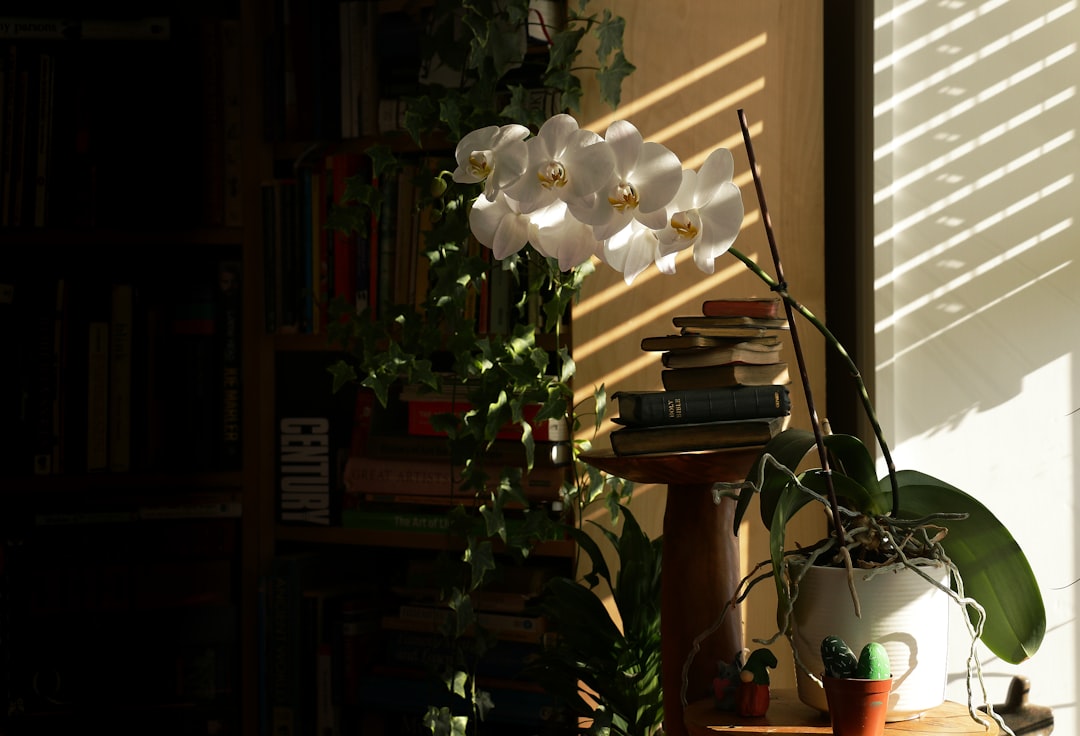
If possible, choose a space with good ventilation or open windows to allow fresh air to circulate. If natural ventilation isn’t an option, consider using a fan or an air purifier to improve air quality. Plants can also be a great addition; they not only enhance aesthetics but also contribute to better air quality and create a calming atmosphere conducive to studying.
Minimizing Distractions
Distractions can significantly hinder productivity and focus while studying. To create an effective study environment, it’s essential to identify potential distractions and take proactive steps to minimize them. Start by turning off notifications on your phone or placing it in another room during study sessions.
Social media can be particularly tempting; consider using website blockers or apps designed to limit access to distracting sites during designated study times. Another common source of distraction is noise. If you are studying in a shared space or a noisy environment, consider using white noise machines or playing soft instrumental music to drown out background sounds.
Creating a “do not disturb” sign for your door can also signal to others that you are in a focused work mode. By establishing clear boundaries regarding interruptions, you can cultivate an environment that supports deep concentration and effective learning.
Organizing Your Study Space
| Metric | Recommended Value | Notes |
|---|---|---|
| Desk Size | 48-60 inches wide, 24-30 inches deep | Provides ample space for computer, books, and writing materials |
| Chair Ergonomics | Adjustable height, lumbar support | Supports good posture to reduce fatigue |
| Lighting | 500-800 lux (task lighting) | Bright enough to reduce eye strain without glare |
| Noise Level | Below 40 dB | Quiet environment to enhance concentration |
| Temperature | 68-72°F (20-22°C) | Comfortable room temperature for focus |
| Storage Space | At least 2-3 drawers or shelves | Helps keep study materials organized and clutter-free |
| Screen Position | Top of screen at eye level, 20-30 inches away | Reduces neck strain and eye fatigue |
| Color Scheme | Soft, neutral colors (light blue, green, beige) | Promotes calmness and focus |
An organized study space is crucial for maintaining focus and efficiency. Begin by decluttering your desk; remove any items that are not essential for your current study tasks. Use organizers such as trays, bins, or shelves to keep materials sorted and easily accessible.
Color-coded folders or labels can help you quickly locate notes or resources related to different subjects or projects. This level of organization not only saves time but also reduces stress by creating a visually appealing workspace. Digital organization is equally important in today’s technology-driven world.
Utilize cloud storage solutions or organizational apps to keep digital files sorted and easily retrievable. Create folders for different subjects or projects on your computer, ensuring that everything is systematically arranged. Regularly back up important documents to prevent data loss and maintain peace of mind regarding your academic work.
Personalizing Your Study Environment
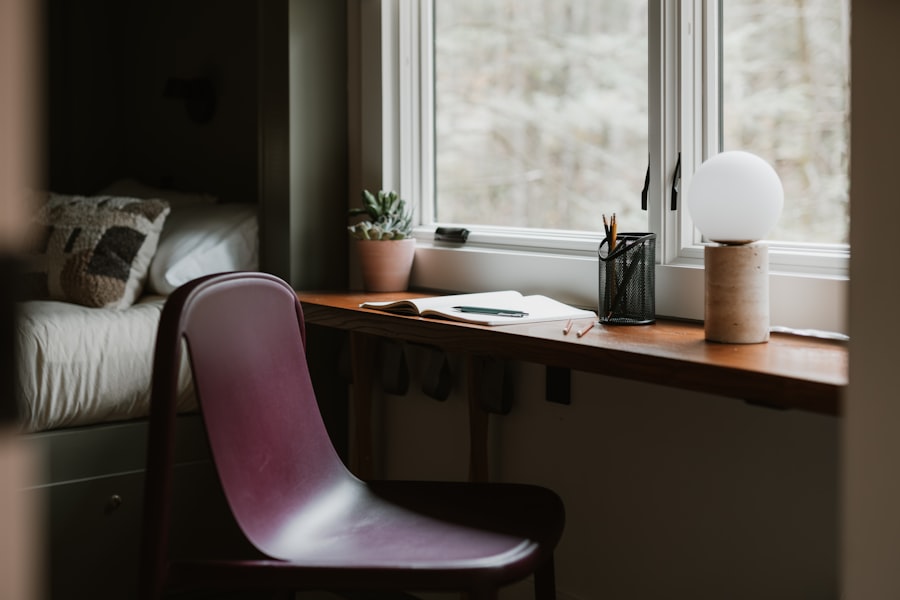
Personalizing your study environment can significantly enhance motivation and comfort while studying. Incorporate elements that reflect your personality and interests, such as artwork, photographs, or inspirational quotes that resonate with you. These personal touches can create a sense of ownership over your space and make it feel more inviting.
Additionally, consider incorporating items that stimulate your senses positively. For instance, scented candles or essential oil diffusers can create a calming atmosphere conducive to concentration. Choose scents like lavender or eucalyptus that are known for their relaxing properties.
A small plant or two can also add life to your study area while improving air quality. Personalization transforms a generic space into one that feels uniquely yours, fostering a deeper connection with your studies.
Establishing a Study Routine
Establishing a consistent study routine is vital for maximizing productivity and ensuring effective learning. Start by identifying the times of day when you feel most alert and focused; this may vary from person to person. Once you have pinpointed these peak times, create a schedule that allocates specific blocks of time for studying each subject or task.
Consistency is key; try to stick to this routine as closely as possible to train your brain to enter “study mode” during these designated times. Incorporating breaks into your routine is equally important for maintaining focus over extended periods. Techniques such as the Pomodoro Technique—where you study for 25 minutes followed by a 5-minute break—can help sustain concentration while preventing burnout.
During breaks, engage in activities that refresh your mind, such as stretching, taking a short walk, or practicing mindfulness exercises. By establishing a balanced routine that includes both focused study time and restorative breaks, you can enhance retention and overall academic performance.
Maintaining a Healthy Work-Life Balance
Achieving academic success should not come at the expense of personal well-being; thus, maintaining a healthy work-life balance is essential for long-term productivity and happiness. It’s crucial to set boundaries between study time and personal time; this may involve designating specific hours for studying while reserving evenings or weekends for relaxation and social activities. Communicate these boundaries with family and friends so they understand when you are available versus when you need uninterrupted time for studying.
Incorporating self-care practices into your routine can also contribute significantly to maintaining balance. Regular physical activity, whether through exercise classes, sports, or simply walking outdoors, can boost mood and energy levels while reducing stress. Additionally, prioritize sleep by establishing a consistent sleep schedule; adequate rest is vital for cognitive function and memory retention.
By nurturing both academic responsibilities and personal well-being, you create an environment where you can thrive both academically and personally.
FAQs
What are the key elements of a home study space that supports focus?
A home study space that supports focus typically includes a comfortable chair and desk, good lighting (preferably natural light), minimal distractions, organized storage for supplies, and a quiet environment. Ergonomic furniture and proper ventilation also contribute to comfort and concentration.
How can I minimize distractions in my home study area?
To minimize distractions, choose a quiet location away from high-traffic areas, use noise-cancelling headphones if needed, keep the space tidy, and limit access to electronic devices that are not related to studying. Setting clear boundaries with family members during study times can also help.
What type of lighting is best for a study space?
Natural light is ideal for a study space as it reduces eye strain and boosts mood. If natural light is insufficient, use bright, adjustable LED lighting that mimics daylight. Avoid harsh fluorescent lights and glare on screens or work surfaces.
How important is ergonomics in a home study space?
Ergonomics is very important to prevent discomfort and physical strain during long study sessions. A chair with proper lumbar support, a desk at the right height, and a monitor positioned at eye level can help maintain good posture and reduce fatigue.
Can plants or decorations improve focus in a study space?
Yes, adding plants or minimal decorations can improve air quality and create a calming atmosphere, which may enhance focus and reduce stress. However, decorations should be kept simple to avoid visual clutter.
How can I organize my study materials effectively?
Use shelves, drawers, or organizers to keep books, stationery, and electronic devices neatly arranged. Labeling storage containers and regularly decluttering the space can help maintain order and make it easier to find materials quickly.
Is it beneficial to have a dedicated study space at home?
Yes, having a dedicated study space helps create a mental association with work and focus, making it easier to concentrate. It also helps separate study time from leisure time, improving productivity and work-life balance.
What role does technology play in a home study space?
Technology such as computers, tablets, and reliable internet access is essential for research and online learning. However, it is important to manage technology use to avoid distractions by using apps or settings that limit notifications during study sessions.
How can I maintain focus during long study periods at home?
Taking regular breaks using techniques like the Pomodoro method, staying hydrated, and maintaining a comfortable environment can help sustain focus. Setting specific goals and using timers can also improve concentration and productivity.
What should I avoid when setting up a home study space?
Avoid placing the study area in noisy or high-traffic locations, using uncomfortable furniture, having poor lighting, and allowing clutter to accumulate. Also, avoid mixing leisure activities in the same space to prevent distractions.