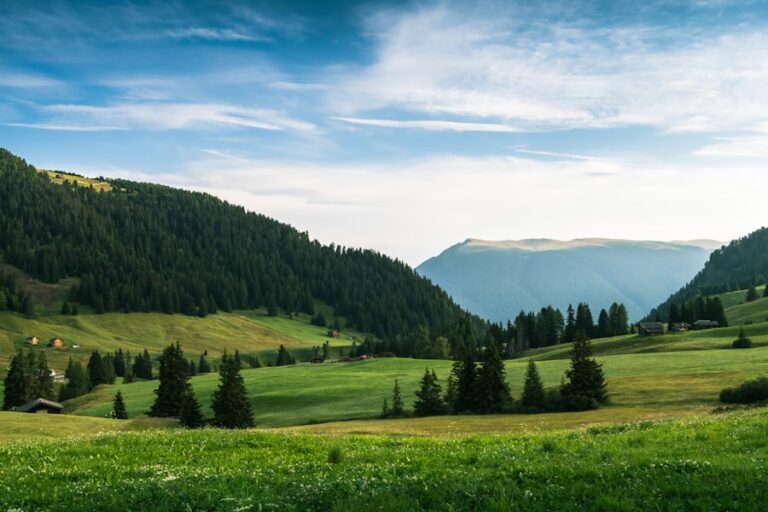
Bhutan is located in the eastern Himalayas, bordered by India and China. Known as the “Land of the Thunder Dragon,” this kingdom is recognized for its mountainous terrain, cultural traditions, and efforts to preserve its distinctive character. The Bhutanese government measures national progress through Gross National Happiness rather than Gross Domestic Product, emphasizing the importance of spiritual and environmental well-being alongside economic development.
This approach influences government policy and societal practices throughout the country. Bhutan’s geography features mountains, valleys, and rivers that form the natural environment in which its society operates. Bhutan’s limited external contact has enabled the preservation of its cultural practices and traditions.
The country’s architectural heritage includes dzongs, or fortresses, and monasteries featuring detailed woodwork and painted murals that reflect Buddhist religious traditions and historical narratives. National celebrations, including the Tsechu festival, feature traditional dances and ceremonies that have been maintained across generations. The local population is known for welcoming visitors and sharing information about their cultural practices and history.
Bhutan presents an environment where traditional customs and contemporary life coexist, with cultural elements visible throughout the country’s communities and landscapes.
Trekking Through Bhutan’s Scenic Trails
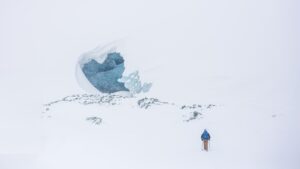
Trekking in Bhutan is an experience unlike any other, offering adventurers the chance to explore some of the most stunning landscapes on the planet. The country boasts a network of trails that wind through lush forests, past terraced fields, and up to high mountain passes, each step revealing breathtaking vistas that seem to stretch into infinity. One of the most popular trekking routes is the Druk Path Trek, which connects the capital city of Thimphu with Paro.
This trek takes hikers through pristine alpine meadows and offers panoramic views of the majestic Himalayas. Along the way, trekkers can encounter traditional Bhutanese villages, where they can witness daily life and perhaps even share a meal with locals. The trails are well-marked and maintained, making them accessible to trekkers of varying skill levels.
However, the altitude can pose challenges, particularly for those unaccustomed to high elevations. As trekkers ascend into the higher altitudes, they are rewarded not only with stunning views but also with a sense of accomplishment that comes from conquering the rugged terrain. The experience is enhanced by the diverse flora and fauna that inhabit these trails; from rhododendron forests bursting with color in spring to the elusive snow leopard that roams the higher elevations, nature enthusiasts will find plenty to marvel at along their journey.
Uncovering the Hidden Monasteries
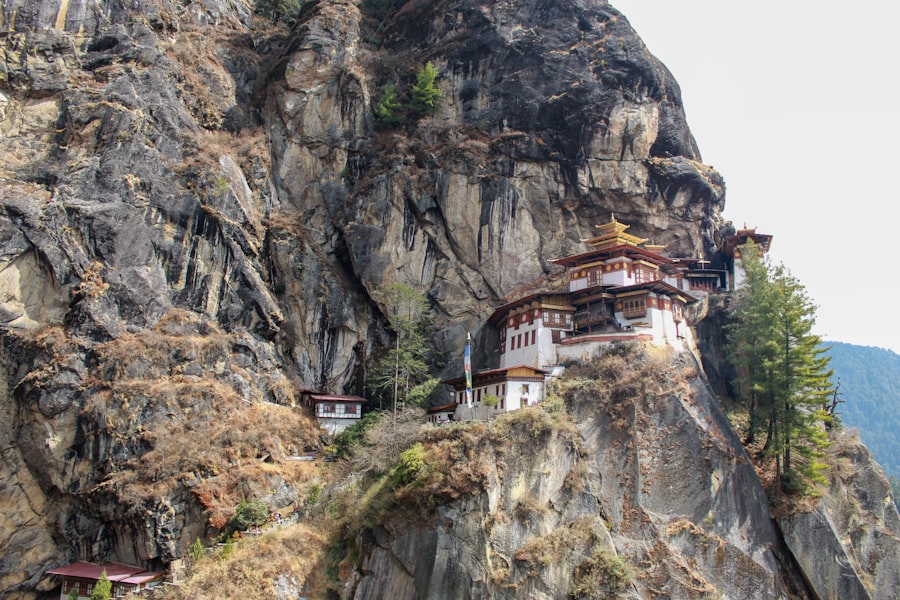
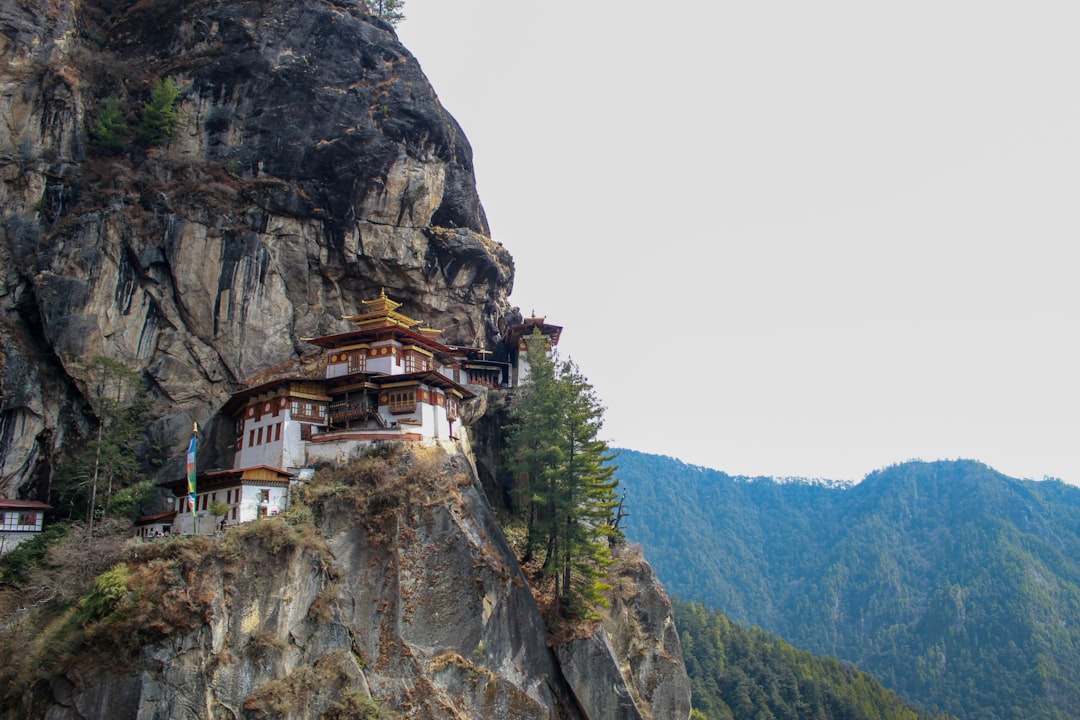
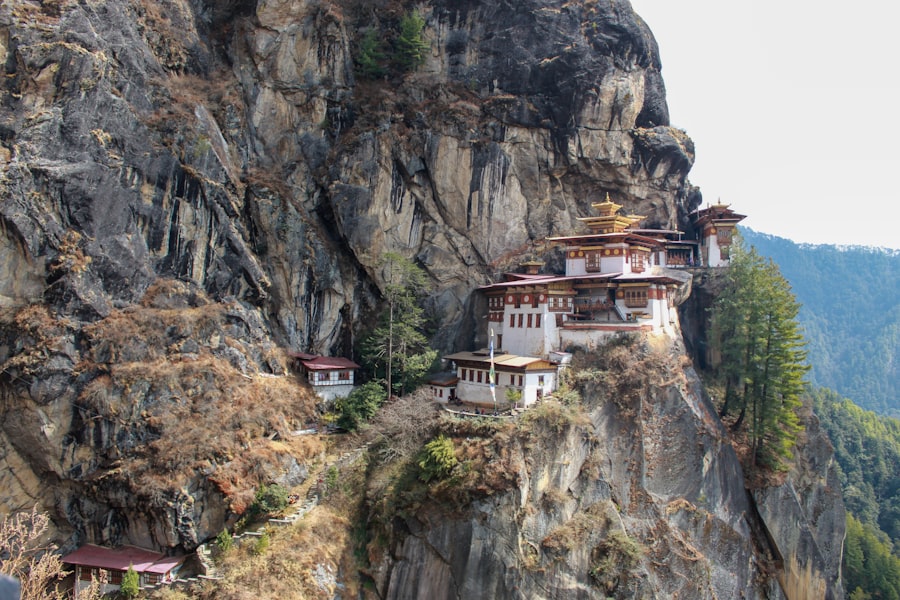
Bhutan is home to numerous monasteries that are often tucked away in remote locations, accessible only by foot. These hidden gems are not just places of worship; they are repositories of history, art, and spirituality. One such monastery is the Taktsang Palphug Monastery, commonly known as Tiger’s Nest.
Perched precariously on a cliffside at an elevation of 3,120 meters, this iconic site is believed to be where Guru Padmasambhava meditated in the 8th century. The trek to Tiger’s Nest is both challenging and rewarding, as hikers navigate steep paths surrounded by lush pine forests before reaching the monastery’s entrance. Beyond Tiger’s Nest, there are many lesser-known monasteries that offer a glimpse into Bhutan’s spiritual life.
For instance, the Phajoding Monastery near Thimphu provides stunning views of the Thimphu Valley and is often less crowded than more famous sites. Visitors can engage with resident monks and learn about their daily practices while enjoying the serene atmosphere that these secluded locations provide. Each monastery has its own unique story and significance, making them essential stops for those seeking a deeper understanding of Bhutanese culture and spirituality.
Experiencing the Spiritual Essence of Bhutan
The spiritual essence of Bhutan is palpable in every aspect of life within its borders. Buddhism is not merely a religion here; it is a way of life that influences everything from art and architecture to social interactions and governance. The presence of prayer flags fluttering in the wind and chortens (stupas) dotting the landscape serve as constant reminders of the spiritual beliefs that permeate Bhutanese society.
Visitors often find themselves drawn into this spiritual world through rituals such as lighting butter lamps or participating in local festivals that celebrate Buddhist teachings. One cannot fully appreciate Bhutan’s spiritual essence without experiencing its festivals firsthand. Events like the Paro Tsechu feature vibrant mask dances performed by monks dressed in elaborate costumes, each dance telling a story rooted in Buddhist teachings.
These festivals are not only a celebration of faith but also an opportunity for communities to come together in joy and reflection. The atmosphere is electric with energy as locals and visitors alike engage in prayer, dance, and feasting, creating an unforgettable experience that resonates long after one leaves Bhutan.
Meeting the Monks and Nuns
| Metric | Details |
|---|---|
| Popular Trekking Routes | Druk Path, Snowman Trek, Jomolhari Trek |
| Average Trek Duration | 7 to 21 days |
| Altitude Range | 2,500 to 5,000 meters above sea level |
| Key Monasteries Visited | Paro Taktsang (Tiger’s Nest), Lingshi Monastery, Gangtey Monastery |
| Best Season for Trekking | Spring (March to May) and Autumn (September to November) |
| Average Daily Distance | 10 to 15 kilometers |
| Physical Difficulty | Moderate to High (due to altitude and terrain) |
| Accommodation | Basic lodges, camping in tents, or homestays |
| Permits Required | Tourist visa and trekking permits issued by Bhutan Tourism Council |
| Local Guides | Mandatory to hire licensed Bhutanese guides |
Interacting with monks and nuns provides an invaluable perspective on Bhutanese spirituality and culture. Many monasteries welcome visitors who wish to learn about monastic life, offering insights into their daily routines filled with prayer, meditation, and study. Monks often engage in discussions about Buddhist philosophy, sharing their understanding of concepts such as compassion, mindfulness, and impermanence.
These conversations can be enlightening for travelers seeking to deepen their own spiritual practices or simply gain a better understanding of Buddhism. In addition to formal teachings, visitors may also witness monks engaging in communal activities such as preparing meals or participating in traditional ceremonies. These moments reveal the camaraderie and sense of community that exists within monastic life.
Nuns also play a vital role in preserving Bhutanese culture and spirituality; their contributions are increasingly recognized as they take on leadership roles within their communities. Meeting these dedicated individuals offers a unique opportunity to connect with Bhutan’s spiritual heart and gain insights into a way of life that prioritizes inner peace and harmony.
Immersing in the Culture and Traditions
Bhutan’s culture is a tapestry woven from centuries of history, tradition, and spirituality. The country’s commitment to preserving its cultural heritage is evident in its architecture, clothing, cuisine, and festivals. Traditional dress is worn with pride; men don gho (a knee-length robe), while women wear kira (a long dress).
These garments are not merely clothing but symbols of national identity that reflect Bhutan’s values of modesty and respect for tradition. Culinary experiences in Bhutan also offer a window into its culture. The national dish, ema datshi—a spicy mix of green chilies and cheese—embodies the country’s love for bold flavors while highlighting local ingredients such as rice and dairy products.
Meals are often communal affairs where families gather to share food and stories, reinforcing social bonds within communities. Festivals further enrich cultural immersion; events like Losar (the Tibetan New Year) feature traditional music, dance, and rituals that celebrate both cultural heritage and spiritual beliefs. Engaging with these traditions allows visitors to appreciate the depth of Bhutanese culture while fostering connections with its people.
The Rewards of Trekking to Bhutan’s Monasteries
Trekking to Bhutan’s monasteries offers not only physical challenges but also profound rewards for those willing to embark on these journeys. The act of trekking itself becomes a form of meditation; as one navigates rugged terrain surrounded by nature’s beauty, there is ample opportunity for introspection and connection with one’s surroundings. Each step taken toward a monastery brings trekkers closer to understanding the spiritual significance these sites hold for local communities.
Moreover, reaching a monastery after a long trek often evokes feelings of accomplishment and serenity. The moment one steps into these sacred spaces—whether it be through ornate doors adorned with intricate carvings or into sunlit courtyards filled with prayer flags—there is an overwhelming sense of peace that envelops visitors. Engaging with monks or nuns upon arrival can deepen this experience; their wisdom often provides insights that resonate long after leaving the monastery grounds.
The combination of physical exertion and spiritual exploration creates lasting memories that enrich one’s understanding of both Bhutanese culture and personal growth.
Tips for Planning Your Monastery Trek in Bhutan
Planning a monastery trek in Bhutan requires careful consideration to ensure an enriching experience. First and foremost, obtaining a visa is essential; travelers must book their trip through an authorized tour operator who can facilitate this process while adhering to Bhutan’s minimum daily spending requirement. This policy helps regulate tourism while ensuring that visitors contribute positively to local economies.
Choosing the right time for trekking is also crucial; spring (March to May) and autumn (September to November) offer favorable weather conditions with clear skies and moderate temperatures. It’s advisable to prepare physically for high-altitude trekking by engaging in cardiovascular exercises prior to departure. Additionally, packing appropriate gear—such as sturdy hiking boots, layered clothing for varying temperatures, and essential trekking supplies—will enhance comfort during the journey.
Engaging with local guides can significantly enrich your experience; they provide valuable insights into both the trails and monasteries you will encounter along your trek. Furthermore, being respectful of local customs—such as removing shoes before entering monasteries or asking permission before taking photographs—will foster goodwill between visitors and residents alike. By planning thoughtfully and embracing the spirit of adventure, trekkers can embark on an unforgettable journey through Bhutan’s mystical landscapes while uncovering its profound spiritual heritage.
FAQs
What is trekking to remote monasteries in Bhutan like?
Trekking to remote monasteries in Bhutan involves hiking through scenic mountain trails, dense forests, and traditional villages to reach ancient Buddhist monasteries often perched on cliffs or secluded valleys. The experience combines physical activity with cultural and spiritual exploration.
What are some popular remote monasteries to visit in Bhutan?
Popular remote monasteries include Tiger’s Nest Monastery (Paro Taktsang), Lhuentse Dzong, and Phobjikha Valley’s Gangtey Monastery. These sites are known for their historical significance, stunning architecture, and breathtaking natural surroundings.
What is the best time of year to trek to monasteries in Bhutan?
The best time for trekking in Bhutan is during the spring (March to May) and autumn (September to November) seasons. These periods offer clear skies, moderate temperatures, and vibrant natural scenery, making the trek more enjoyable.
Do I need a guide to trek to remote monasteries in Bhutan?
Yes, trekking in Bhutan typically requires a licensed guide. Bhutan’s government mandates that all tourists book their travel through authorized tour operators, which include guides to ensure safety, cultural respect, and proper navigation.
What level of fitness is required for trekking to these monasteries?
Trekking to remote monasteries can range from moderate to challenging, depending on the trail and altitude. A reasonable level of fitness is recommended, as some treks involve steep climbs and high elevations.
Are there accommodations available near these remote monasteries?
Accommodations near remote monasteries vary from basic guesthouses in nearby villages to more comfortable lodges in larger towns. Some treks may require camping or staying in simple homestays along the route.
What should I pack for a trekking trip to Bhutan’s monasteries?
Essential items include sturdy hiking boots, layered clothing for varying temperatures, rain gear, a hat, sunscreen, insect repellent, a first aid kit, and sufficient water. It is also advisable to carry a camera and any personal medications.
Are there any cultural etiquettes to observe when visiting monasteries in Bhutan?
Yes, visitors should dress modestly, remove shoes before entering prayer halls, avoid loud conversations, and seek permission before taking photographs inside monasteries. Respect for local customs and religious practices is important.
Is altitude sickness a concern when trekking in Bhutan?
Altitude sickness can be a concern, especially on higher elevation treks. It is important to acclimatize properly, stay hydrated, and inform your guide if you experience symptoms such as headache, nausea, or dizziness.
How do I arrange a trekking tour to remote monasteries in Bhutan?
Trekking tours must be arranged through licensed Bhutanese tour operators or international agencies specializing in Bhutan travel. These operators handle permits, guides, accommodations, and transportation as part of a comprehensive package.