Scandinavian coastal towns feature distinctive natural landscapes, historical significance, and cultural characteristics. Located along the coastlines of Norway, Sweden, Denmark, and Finland, these towns combine dramatic terrain with traditional architecture. The coastal geography, including Norwegian fjords and Swedish archipelagos, has shaped each town’s development and character.
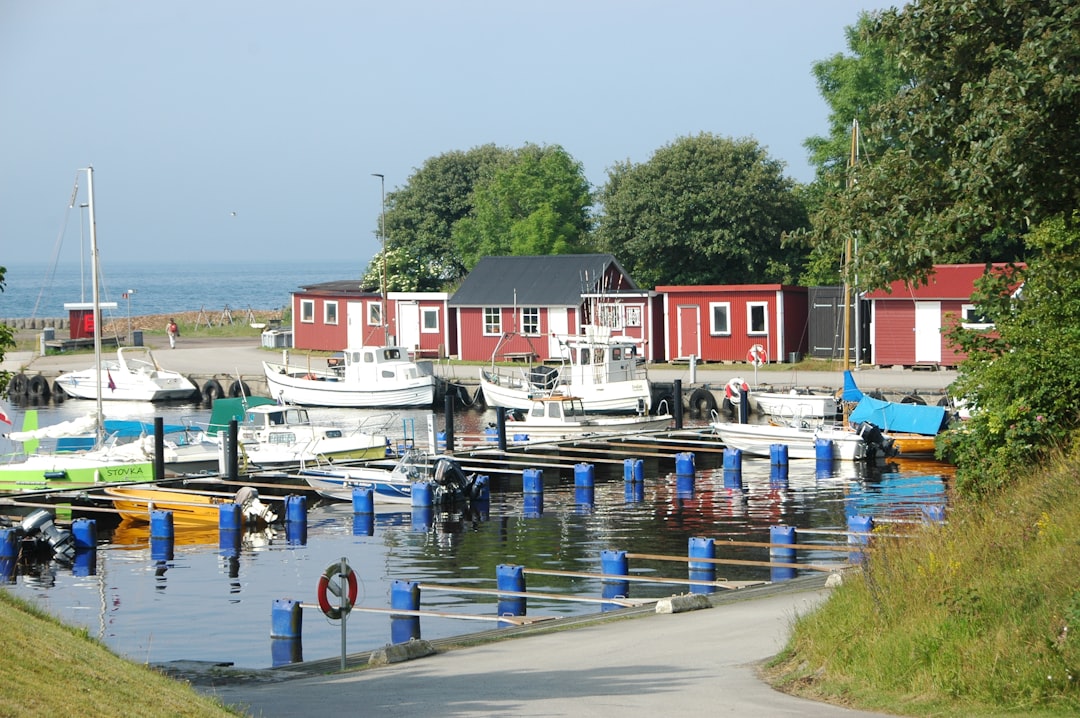
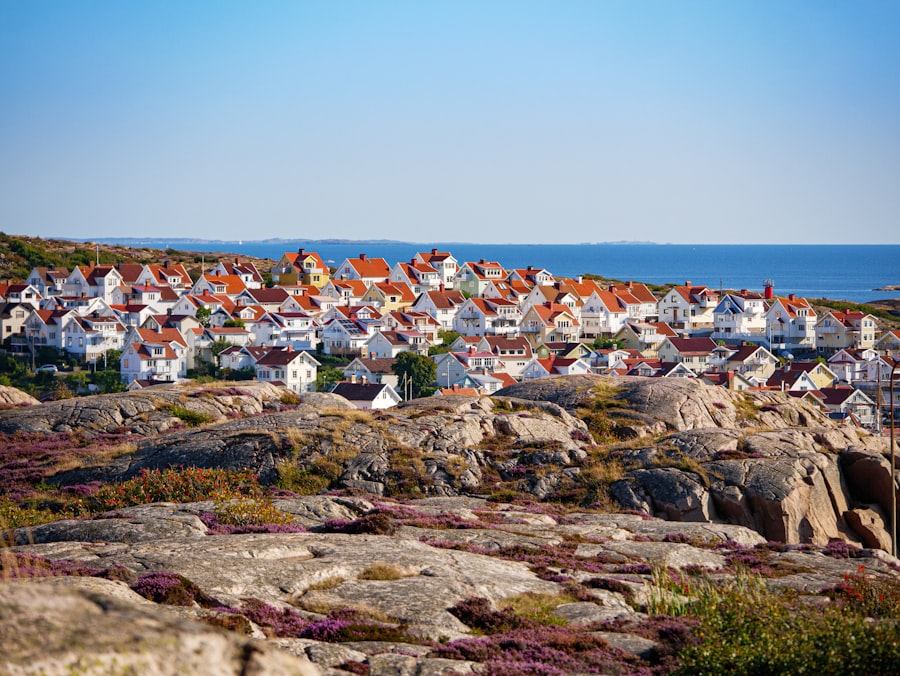
The Scandinavian coast includes both major urban centers and smaller settlements. Established cities such as Oslo, Stockholm, and Copenhagen receive substantial annual tourism, while smaller towns offer opportunities to observe traditional Scandinavian coastal life. These communities typically feature wooden architecture, active harbors, and maritime-based economies and traditions.
Examining these coastal towns reveals their distinctive regional characteristics and practical significance as working communities.
Uncovering the Charm of Lesser-Known Coastal Towns
Among the lesser-known coastal towns in Scandinavia, places like Ålesund in Norway and Visby in Sweden stand out for their picturesque settings and historical significance. Ålesund, with its Art Nouveau architecture and stunning views of the surrounding fjords, is a prime example of how nature and urban design can harmoniously coexist. The town was rebuilt in this distinctive style after a devastating fire in 1904, and today it serves as a living museum of early 20th-century architecture.
Visitors can wander through its streets, admiring the intricate facades while enjoying panoramic views from the nearby Aksla viewpoint. In Sweden, Visby on the island of Gotland is another hidden gem that captivates with its medieval charm. This UNESCO World Heritage site boasts well-preserved city walls and cobblestone streets that transport visitors back in time.
The annual Medieval Week draws crowds from all over, as locals don period costumes and reenact historical events. The town’s rich history as a Hanseatic trading hub is evident in its architecture and cultural offerings, making it a fascinating destination for those interested in exploring the past.
Exploring the Unique Culture and History of Scandinavian Coastal Towns
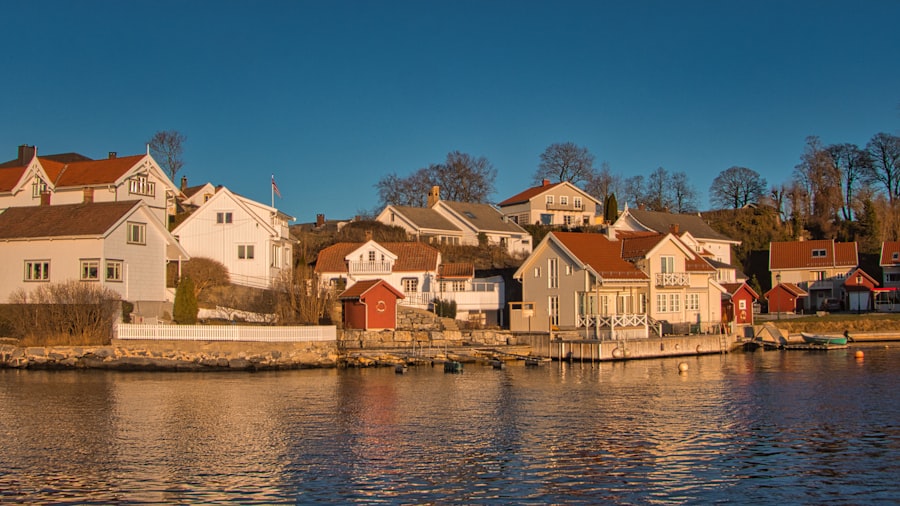
The cultural tapestry of Scandinavian coastal towns is woven from centuries of maritime history, trade, and local traditions. In towns like Hanko, Finland, the influence of Russian architecture is evident in its wooden villas and seaside promenades. Once a popular resort destination for Russian aristocrats in the 19th century, Hanko retains a sense of nostalgia that is palpable as visitors stroll along its beaches or explore its charming harbor.
The town’s history is celebrated through various cultural events and exhibitions that highlight its unique heritage. Similarly, in Denmark’s Skagen, the convergence of land and sea has shaped not only the landscape but also the artistic community that flourished there in the late 19th century. The Skagen Painters, a group of artists who were drawn to the area’s unique light and natural beauty, left an indelible mark on Danish art history.
Today, visitors can explore the Skagen Museum to view works that capture the essence of this coastal paradise. The town’s vibrant art scene continues to thrive, with galleries showcasing contemporary works alongside those inspired by its storied past.
Delving into the Culinary Delights of Off-the-Beaten-Path Coastal Towns
Culinary experiences in lesser-known Scandinavian coastal towns are often defined by fresh seafood and local ingredients that reflect the region’s maritime heritage. In Norway’s Lofoten Islands, for instance, traditional dishes such as stockfish—dried cod—are staples that have been prepared for centuries. The islands’ fishing villages offer visitors a chance to savor authentic flavors while enjoying breathtaking views of dramatic peaks rising from the sea.
Local restaurants often emphasize sustainability by sourcing ingredients from nearby waters and farms, ensuring that each meal is not only delicious but also environmentally conscious. In Sweden’s coastal town of Fjällbacka, seafood lovers can indulge in freshly caught shrimp and crab at local eateries that line the harbor. The town’s culinary scene is deeply rooted in its fishing traditions, with many chefs drawing inspiration from age-old recipes while incorporating modern techniques.
Seasonal food festivals celebrate local produce and seafood, allowing visitors to immerse themselves in the flavors of the region while mingling with locals who take pride in their culinary heritage.
Embracing the Natural Beauty and Outdoor Activities in Hidden Gem Coastal Towns
| Town | Country | Population | Main Attractions | Best Time to Visit | Unique Feature |
|---|---|---|---|---|---|
| Skagen | Denmark | 8,000 | Grenen sandbar, Skagen Museum, historic fishing village | June to August | Where the North Sea and Baltic Sea meet |
| Fiskebäckskil | Sweden | 900 | Marine museum, archipelago boat tours, seafood restaurants | May to September | Traditional fishing village with preserved wooden houses |
| Reine | Norway | 300 | Scenic fjords, hiking trails, Northern Lights viewing | June to August, February to March | Picturesque fishing village in the Lofoten Islands |
| Hanko | Finland | 9,000 | Beaches, historic villas, sailing events | July to August | Southernmost town in Finland with a strong maritime culture |
| Ribe | Denmark | 8,000 | Medieval architecture, Viking Center, Wadden Sea National Park | May to September | Oldest town in Denmark with rich Viking history |
The natural beauty surrounding Scandinavian coastal towns is nothing short of breathtaking, offering a plethora of outdoor activities for nature enthusiasts. In Norway’s Senja Island, for example, visitors can hike along rugged trails that lead to stunning viewpoints overlooking the fjords and mountains. The island’s diverse landscapes provide opportunities for kayaking, fishing, and even whale watching during certain seasons.
The pristine environment is home to a variety of wildlife, making it an ideal destination for those seeking adventure amidst nature. In Sweden’s Öland Island, known for its unique limestone landscapes and rich biodiversity, outdoor activities abound. Biking along scenic coastal paths or exploring nature reserves filled with rare flora and fauna allows visitors to connect with the island’s natural wonders.
The island’s long sandy beaches are perfect for sunbathing or swimming during the summer months, while birdwatchers flock to Öland during migration seasons to witness an array of species passing through.
Experiencing Authentic Local Traditions and Festivals in Scandinavian Coastal Towns
Local traditions and festivals play a significant role in preserving the cultural identity of Scandinavian coastal towns. In Norway’s Risør, known as the “White Town,” the annual Wooden Boat Festival celebrates the region’s maritime heritage with a showcase of traditional wooden boats. This event attracts boat enthusiasts from all over who come to admire craftsmanship while enjoying live music and local delicacies.
The festival fosters a sense of community as locals come together to celebrate their shared history and love for the sea. In Denmark’s Midsummer Festival, celebrated in various coastal towns such as Bornholm, locals gather to light bonfires along the beaches while singing traditional songs. This age-old tradition marks the summer solstice and symbolizes the triumph of light over darkness.
Visitors are welcomed to join in the festivities, experiencing firsthand the warmth of Danish hospitality as they partake in food, music, and dance under the midnight sun.
Navigating the Quaint Streets and Architecture of Lesser-Known Coastal Towns
The architectural styles found in lesser-known Scandinavian coastal towns reflect their unique histories and cultural influences. In Sweden’s Skanör-Falsterbo region, visitors can wander through charming streets lined with traditional wooden houses painted in vibrant colors. The area’s historical significance as a trading post during the Middle Ages is evident in its well-preserved buildings that tell stories of commerce and community life.
In Denmark’s Dragør, just south of Copenhagen, cobblestone streets lead to beautifully preserved 18th-century houses adorned with flower-filled gardens. The town’s maritime heritage is reflected in its picturesque harbor where fishing boats bob gently on the water. Strolling through Dragør feels like stepping back in time; visitors can appreciate not only the architecture but also the sense of tranquility that permeates this quaint coastal village.
Tips for Planning a Memorable Trip to Scandinavian Coastal Towns Off the Beaten Path
When planning a trip to lesser-known Scandinavian coastal towns, it’s essential to consider timing and transportation options to maximize your experience. Traveling during shoulder seasons—late spring or early autumn—can provide a more intimate experience with fewer crowds while still enjoying pleasant weather. Additionally, renting a car can be advantageous for exploring remote areas at your own pace; many coastal towns are connected by scenic routes that offer stunning views along the way.
Engaging with locals can enhance your visit significantly; they often have insider knowledge about hidden spots or upcoming events that may not be widely advertised. Participating in guided tours led by residents can also provide deeper insights into local culture and history. Lastly, don’t forget to embrace spontaneity—some of the best experiences arise from unplanned adventures as you navigate through these enchanting coastal towns.
FAQs
What are Scandinavian coastal towns?
Scandinavian coastal towns are small to medium-sized settlements located along the coastlines of countries in the Scandinavian region, which typically includes Norway, Sweden, and Denmark. These towns often feature picturesque harbors, fishing communities, and unique cultural traditions.
Why explore Scandinavian coastal towns off the beaten path?
Exploring coastal towns off the beaten path allows travelers to experience authentic local culture, avoid crowded tourist spots, and discover hidden gems such as untouched nature, traditional cuisine, and historic sites that are less commercialized.
What activities can visitors enjoy in Scandinavian coastal towns?
Visitors can enjoy activities such as hiking along coastal trails, boating and fishing, sampling local seafood, visiting museums and historic landmarks, and experiencing local festivals and markets.
When is the best time to visit Scandinavian coastal towns?
The best time to visit is typically during the late spring to early autumn months (May to September) when the weather is milder, daylight hours are longer, and outdoor activities are more accessible.
Are Scandinavian coastal towns accessible by public transportation?
Many Scandinavian coastal towns are accessible by public transportation, including regional trains, buses, and ferries. However, some more remote towns may require a combination of transport modes or car rental for easier access.
What kind of accommodation options are available in these towns?
Accommodation options range from small guesthouses, boutique hotels, and bed and breakfasts to holiday cottages and hostels, often providing a cozy and intimate atmosphere.
Is it necessary to speak Scandinavian languages when visiting these towns?
While knowledge of Scandinavian languages (Norwegian, Swedish, Danish) can enhance the experience, English is widely spoken in most coastal towns, especially in tourist areas, making communication relatively easy for international visitors.
Are Scandinavian coastal towns family-friendly?
Yes, many coastal towns offer family-friendly activities such as nature walks, beaches, and cultural experiences suitable for children, making them great destinations for family travel.
What should travelers pack when visiting Scandinavian coastal towns?
Travelers should pack layered clothing to accommodate variable weather, waterproof jackets, comfortable walking shoes, and any outdoor gear needed for activities like hiking or boating.
How can travelers support local communities when visiting these towns?
Travelers can support local communities by choosing locally owned accommodations and restaurants, purchasing handmade crafts, participating in guided tours led by local experts, and respecting local customs and the environment.