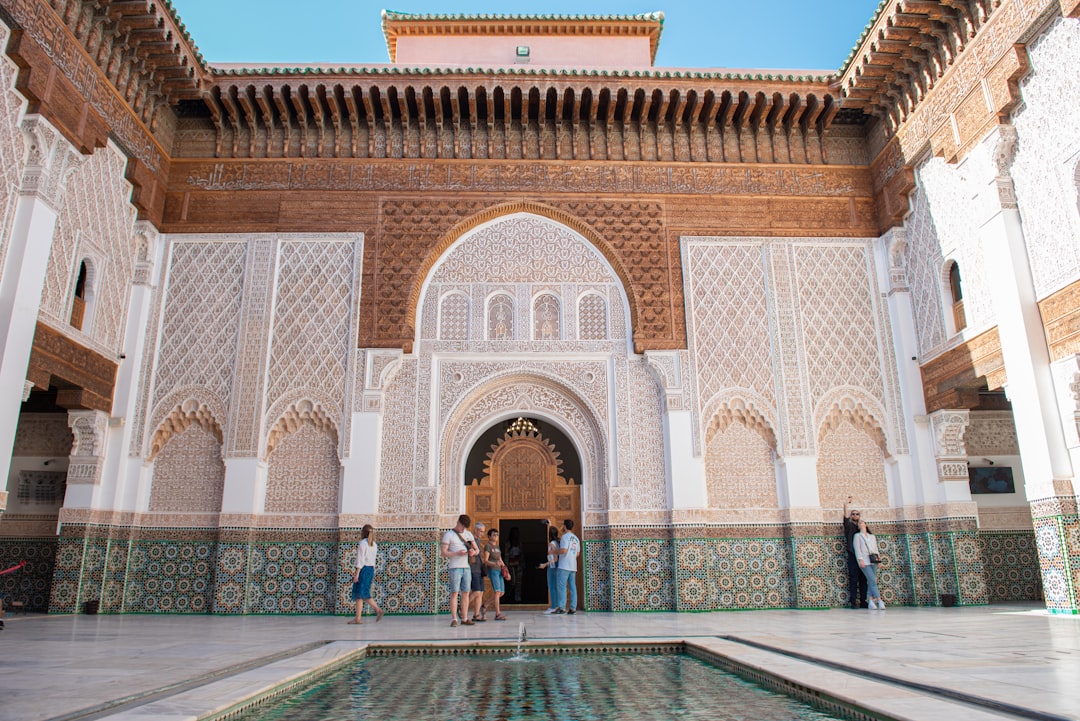
Marrakech is a historically significant city known for its distinctive architecture and cultural importance. The city’s palaces are among its most notable features, showcasing traditional Moroccan design elements including zellige tilework, gardens, and fountains. These structures were built as residences for sultans and members of the royal court, and they provide insight into the lifestyles and aesthetic preferences of Morocco’s ruling classes.
The palaces of Marrakech serve as important historical records. Each palace documents different periods of the region’s development, including changes in political power, social structures, and artistic styles. Notable examples include the Bahia Palace and El Badi Palace, both of which demonstrate the architectural sophistication of their respective eras.
These sites remain significant because they preserve tangible evidence of Morocco’s historical development and continue to function as important cultural institutions that attract scholars and visitors interested in Islamic and Moroccan architecture.
The History and Architecture of Marrakech’s Palaces
The history of Marrakech’s palaces is deeply intertwined with the city’s founding in the 11th century by the Almoravid dynasty. The architectural styles that emerged during this period laid the groundwork for the palatial designs that would follow. The Almohads, who succeeded the Almoravids, further enriched the architectural landscape with their emphasis on grandiosity and intricate detailing.
The use of local materials such as red sandstone and intricate zellige tile work became hallmarks of Moroccan architecture, evident in many of the city’s palatial structures. One of the most notable examples is the Bahia Palace, constructed in the late 19th century. This palace was designed to be a grand residence for Si Moussa, a former slave who rose to become a powerful vizier.
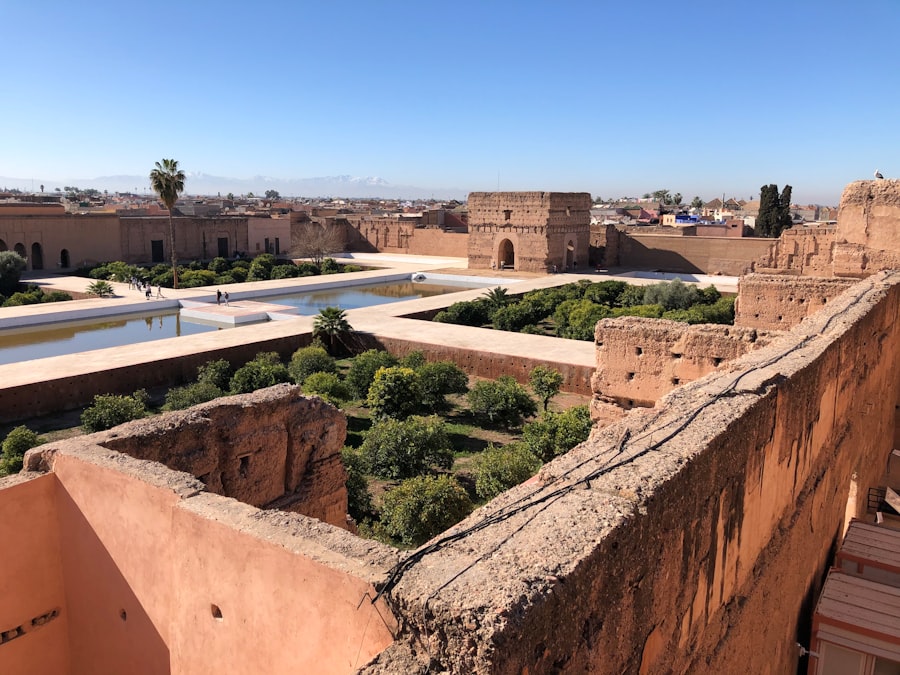
The architecture of Bahia Palace showcases a blend of Islamic and Moroccan styles, featuring expansive courtyards, lush gardens, and beautifully decorated rooms adorned with intricate stucco work. The layout is designed to reflect the Islamic concept of paradise, with water features symbolizing life and fertility. In contrast, El Badi Palace, built in the late 16th century by Sultan Ahmed al-Mansur, was intended to showcase wealth and power.
Its vast ruins still evoke a sense of grandeur, with remnants of its once-splendid gardens and elaborate mosaics.
How to Avoid the Crowds at Marrakech’s Palaces
Marrakech’s palaces can attract large numbers of tourists, particularly during peak travel seasons. To fully appreciate these historical sites without the throngs of visitors, strategic planning is essential. One effective approach is to visit during off-peak hours.
Early mornings or late afternoons often see fewer crowds, allowing for a more intimate experience as you wander through the serene gardens or explore the intricately designed rooms. Another way to avoid crowds is to visit during the shoulder seasons—spring (March to May) and fall (September to November). During these months, the weather is typically pleasant, and tourist numbers are lower compared to the summer months when many travelers flock to Marrakech.
Additionally, consider exploring lesser-known palaces or visiting on weekdays rather than weekends when local visitors may also be present. By choosing your timing wisely, you can enjoy a more peaceful exploration of these magnificent structures.
Off-the-Beaten-Path Palaces to Explore
While many visitors flock to the more famous palaces like Bahia and El Badi, Marrakech is home to several lesser-known gems that offer unique insights into the city’s history and architecture. One such palace is the Dar Si Said Museum, which was originally built as a residence for a wealthy family in the 19th century. Today, it houses an impressive collection of Moroccan art and artifacts, including traditional textiles and woodwork.
The museum’s architecture itself is worth admiring, with its beautifully decorated courtyards and intricate tile work. Another hidden treasure is the Palais de la Bahia’s lesser-known counterpart, the Palais El Badi. While it may not be as well-preserved as its more famous neighbor, it offers a fascinating glimpse into the past with its sprawling ruins and remnants of once-grand structures.
Visitors can explore its vast grounds and imagine what life was like during its heyday. These off-the-beaten-path palaces provide an opportunity to delve deeper into Marrakech’s rich history while avoiding the crowds that often accompany more popular sites.
Tips for Enjoying a Peaceful Visit to Marrakech’s Palaces
| Tip | Best Time to Visit | Expected Crowd Level | Additional Notes |
|---|---|---|---|
| Visit early morning | 8:00 AM – 10:00 AM | Low | Palaces are less crowded right after opening |
| Weekday visits | Monday to Thursday | Moderate to Low | Avoid weekends and public holidays |
| Off-season travel | November to February | Low | Cooler weather and fewer tourists |
| Private guided tours | Any time | Variable | Access to less crowded areas and skip lines |
| Visit lesser-known palaces | Any time | Low | Examples: Dar Si Said, Palais de la Bahia |
To ensure a tranquil experience while visiting Marrakech’s palaces, consider adopting a few practical strategies. First and foremost, take your time. Instead of rushing through each site, allow yourself to linger in specific areas that capture your interest.
Whether it’s admiring a particularly intricate tile pattern or enjoying the tranquility of a garden courtyard, savoring these moments can enhance your overall experience. Additionally, consider hiring a local guide who can provide valuable insights into the history and significance of each palace. A knowledgeable guide can help you navigate through the sites while sharing stories that bring the history to life.
This personalized experience not only enriches your understanding but also allows you to engage more deeply with the cultural context of what you are witnessing.
The Cultural Significance of Marrakech’s Palaces
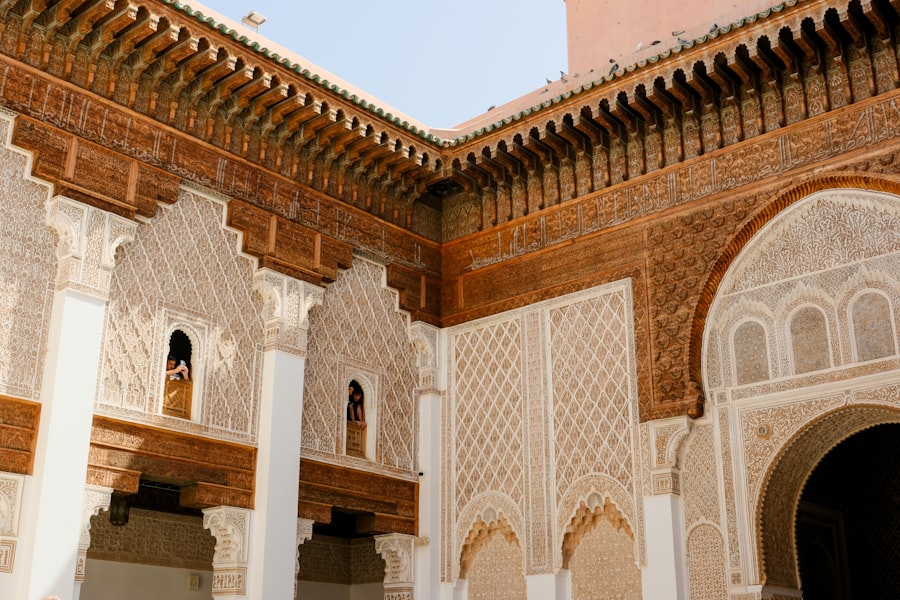
The palaces of Marrakech are not merely architectural wonders; they embody the cultural identity of Morocco itself. They serve as symbols of power, artistry, and tradition that have shaped Moroccan society over centuries. The intricate designs found within these palatial walls reflect a fusion of Berber, Arab, and Andalusian influences, showcasing Morocco’s diverse cultural heritage.
Moreover, these palaces have played significant roles in historical events that have shaped the nation. For instance, El Badi Palace was constructed after Morocco’s victory over Portugal in 1578 at the Battle of Alcácer Quibir. It was intended to celebrate this triumph and assert Moroccan sovereignty.
Today, these sites continue to be venues for cultural events and festivals that celebrate Moroccan traditions, further solidifying their importance in contemporary society.
The Best Times to Visit Marrakech’s Palaces
Timing your visit to Marrakech’s palaces can greatly enhance your experience. The ideal times are typically during spring (March to May) and fall (September to November), when temperatures are mild and pleasant for exploring outdoor spaces. During these months, you can enjoy leisurely strolls through gardens without being overwhelmed by heat or crowds.
In contrast, summer months can be scorching in Marrakech, with temperatures often exceeding 40 degrees Celsius (104 degrees Fahrenheit). While some tourists may still venture out during this time, it is advisable to plan visits for early morning or late afternoon when temperatures are cooler. Winter months can also be enjoyable; however, evenings can be chilly, so layering clothing is recommended for comfort while exploring.
Exploring Marrakech’s Palaces: A Personal Experience
Visiting Marrakech’s palaces is akin to stepping back in time—a journey through history that leaves an indelible mark on one’s soul. As I wandered through the ornate halls of Bahia Palace, I was struck by the delicate craftsmanship that adorned every surface. The interplay of light filtering through intricately carved wooden screens created an ethereal atmosphere that felt almost otherworldly.
In contrast, my visit to El Badi Palace was marked by a sense of solemnity amidst its ruins. Standing among the remnants of what was once a grand structure filled with opulence made me reflect on the passage of time and the impermanence of human endeavors. The vastness of its grounds allowed me moments of solitude where I could contemplate its historical significance without distraction.
Each palace visit became an opportunity for introspection—an invitation to connect with Morocco’s rich cultural tapestry while appreciating its architectural marvels. Whether it was through engaging with local guides or simply taking in my surroundings at my own pace, my experiences at these palatial sites were profoundly enriching and unforgettable.
FAQs
What are the best times to visit Marrakech’s palaces to avoid crowds?
The best times to visit Marrakech’s palaces to avoid crowds are early in the morning right when they open or late in the afternoon before closing. Weekdays, especially outside of peak tourist seasons (spring and autumn), tend to be less crowded than weekends and holidays.
Which palaces in Marrakech are less frequented by tourists?
While the Bahia Palace and El Badi Palace are popular and often crowded, lesser-known palaces such as Dar Si Said and smaller riads with historical significance tend to have fewer visitors, offering a more peaceful experience.
Are guided tours recommended for visiting Marrakech’s palaces without crowds?
Guided tours can be helpful if they are scheduled during off-peak hours or private tours that avoid large groups. Booking a private guide early in the day can help you navigate the palaces before the crowds arrive.
Can I visit Marrakech’s palaces independently, or is a guide necessary?
You can visit Marrakech’s palaces independently, but having a guide can enrich your experience by providing historical context and helping you avoid crowded times and areas.
Are there any special passes or tickets that allow priority access to Marrakech’s palaces?
Some palaces may offer skip-the-line tickets or combined passes for multiple sites, which can help reduce waiting times and avoid crowds. It is advisable to check official websites or authorized vendors for such options.
What should I know about photography inside Marrakech’s palaces?
Photography is generally allowed in most palaces, but flash photography and tripods may be restricted. It is courteous to ask for permission before photographing staff or other visitors.
Are there any cultural etiquettes to observe when visiting Marrakech’s palaces?
Visitors should dress modestly, respect the rules of the site, avoid loud behavior, and seek permission before taking photos of locals. It is also important to follow any guidelines provided by palace staff.
How can I learn more about the history and architecture of Marrakech’s palaces?
Reading guidebooks, visiting official websites, hiring knowledgeable guides, or attending cultural workshops in Marrakech can provide deeper insights into the history and architecture of the palaces.