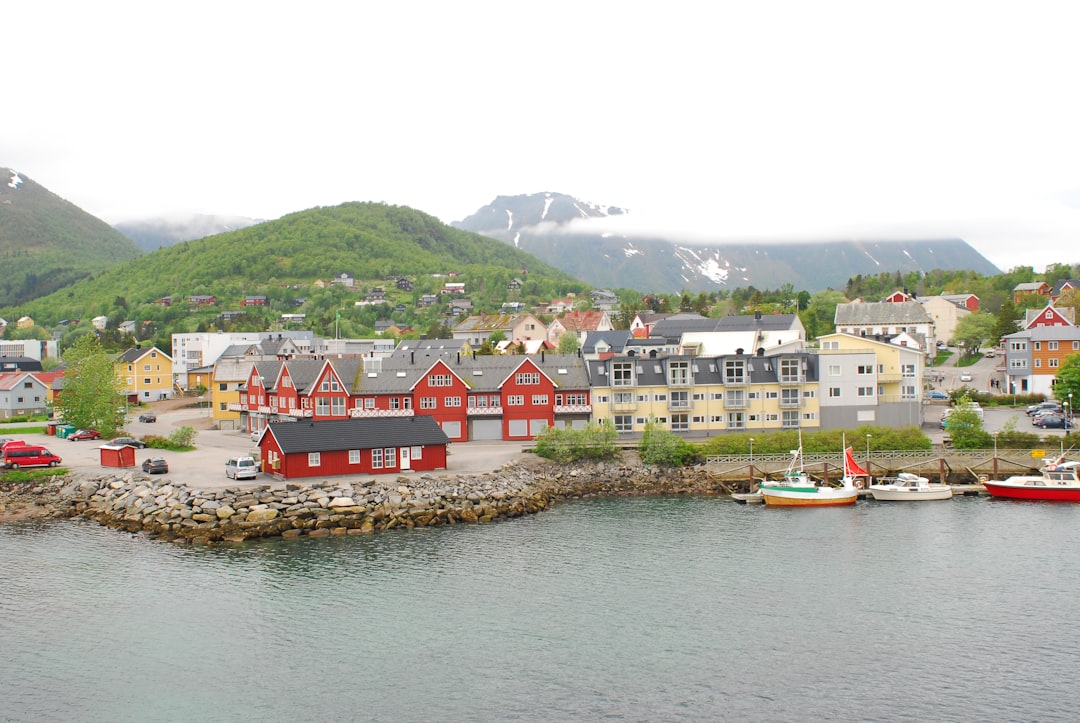
Scandinavian coastal towns along the shores of Norway, Sweden, and Denmark combine natural landscapes with historical significance and cultural heritage. These settlements feature dramatic coastal geography, including steep cliffs, fjords, and natural harbors. The maritime economy remains visible in the working fishing vessels and the distinctive salt-air environment characteristic of these regions.
The towns reflect their seafaring history through architectural styles and local traditions developed over centuries of maritime trade. Norwegian coastal settlements are known for their colorful wooden structures, while Swedish towns feature cobblestone streets and period architecture. Local residents maintain traditional customs and actively share their cultural heritage with visitors.
Beyond the established tourist attractions, these coastal areas offer less-visited locations and experiences that reflect authentic Scandinavian life and regional character.
Underrated Towns: Exploring the Off the Beaten Path
While cities like Oslo, Stockholm, and Copenhagen often steal the spotlight, numerous underrated coastal towns offer equally enchanting experiences without the crowds. One such gem is Ålesund in Norway, renowned for its Art Nouveau architecture and stunning views from Mount Aksla. This town, often overlooked by tourists rushing to more famous destinations, boasts a rich maritime history and a vibrant fishing industry.
Visitors can wander through its charming streets, lined with pastel-colored buildings, and enjoy fresh seafood at local eateries. Another hidden treasure is Visby on the island of Gotland in Sweden. This medieval town is encircled by well-preserved city walls and features cobblestone streets that transport visitors back in time.
The annual Medieval Week in August draws attention to its historical significance, but outside this period, it remains a peaceful retreat where one can explore ancient ruins and enjoy the serene beauty of the surrounding countryside. These lesser-known towns provide an authentic glimpse into Scandinavian life, allowing travelers to connect with local traditions and experience the region’s natural beauty without the distractions of mass tourism.
Charming Architecture and Scenic Views
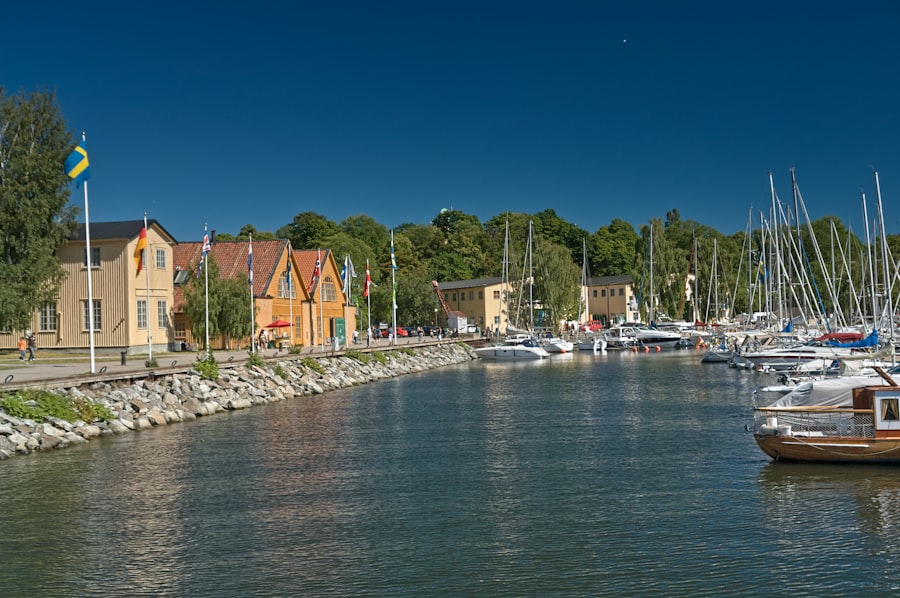
The architectural styles found in Scandinavian coastal towns are as diverse as their landscapes. In Norway, for instance, the town of Bergen is famous for its Bryggen Wharf, a UNESCO World Heritage site featuring colorful wooden buildings that date back to the Hanseatic League. The narrow alleyways and vibrant facades create a picturesque setting that reflects the town’s historical significance as a trading hub.
The backdrop of surrounding mountains and fjords enhances the visual appeal, making it a photographer’s paradise. In contrast, Sweden’s coastal town of Karlskrona showcases a different architectural style with its Baroque buildings and naval heritage. As a former naval base, Karlskrona is dotted with grand structures like the Admiralty Church and the Naval Museum, which narrate tales of Sweden’s maritime past.
The town’s location on an archipelago adds to its charm, offering breathtaking views of the Baltic Sea from various vantage points. Whether it’s the colorful wooden houses of Norway or the stately buildings of Sweden, each coastal town presents a unique architectural narrative that complements its stunning natural surroundings.
Local Cuisine and Culinary Delights
The culinary scene in Scandinavian coastal towns is deeply influenced by their proximity to the sea. Fresh seafood is a staple in these regions, with local specialties varying from one town to another. In Norway, for example, towns like Lofoten are famous for their stockfish—dried cod that has been a part of Norwegian cuisine for centuries.
Visitors can savor this delicacy in various forms, from traditional dishes served in cozy restaurants to modern interpretations crafted by innovative chefs. In Sweden, coastal towns like Gothenburg are celebrated for their seafood markets and vibrant food culture. The city’s Feskekôrka (Fish Church) is a must-visit for seafood lovers, offering an array of fresh catches from the North Sea.
Here, one can indulge in classic dishes such as herring prepared in different styles or sample shrimp sandwiches topped with dill and lemon. The emphasis on local ingredients and traditional cooking methods reflects a deep respect for culinary heritage while embracing contemporary trends.
Unique Cultural Experiences and Festivals
| Town | Country | Population | Main Attractions | Best Time to Visit | Accessibility | Unique Feature |
|---|---|---|---|---|---|---|
| Skagen | Denmark | 8,000 | Grenen Sandbar, Skagen Museum, Råbjerg Mile | June to August | By train and bus from Aalborg | Where two seas meet (North Sea & Baltic Sea) |
| Fiskebäckskil | Sweden | 900 | Marine Museum, Kayaking, Coastal hiking trails | May to September | By car or ferry from Gothenburg | Traditional fishing village with preserved wooden houses |
| Reine | Norway | 300 | Hiking, Northern Lights, Fishing trips | February to April, June to August | By ferry and bus from Bodø | Picturesque fishing village in Lofoten Islands |
| Korsør | Denmark | 14,000 | Korsør Fortress, Beaches, Maritime Museum | May to September | By train from Copenhagen | Historic ferry town with charming harbor |
| Skjervøy | Norway | 2,200 | Whale watching, Sami culture, Arctic Cathedral | June to August | By ferry and bus from Tromsø | Gateway to Arctic wildlife experiences |
Cultural experiences in Scandinavian coastal towns are often intertwined with local traditions and festivals that celebrate their maritime heritage. In Norway, the town of Skudeneshavn hosts an annual sailing festival that attracts enthusiasts from around the world. This event showcases traditional wooden boats and offers visitors a chance to participate in sailing activities while enjoying live music and local crafts.
The festival not only highlights Norway’s seafaring history but also fosters a sense of community among locals and visitors alike. Similarly, Sweden’s coastal town of Skanör is known for its vibrant Midsummer celebrations. This festival marks the arrival of summer with traditional dances around maypoles, feasting on herring and new potatoes, and enjoying live folk music.
The festivities create an atmosphere of joy and togetherness as locals don traditional costumes and engage in age-old customs passed down through generations. These cultural experiences provide travelers with an opportunity to immerse themselves in the local way of life while gaining insight into the rich traditions that define these coastal communities.
Outdoor Activities and Adventures
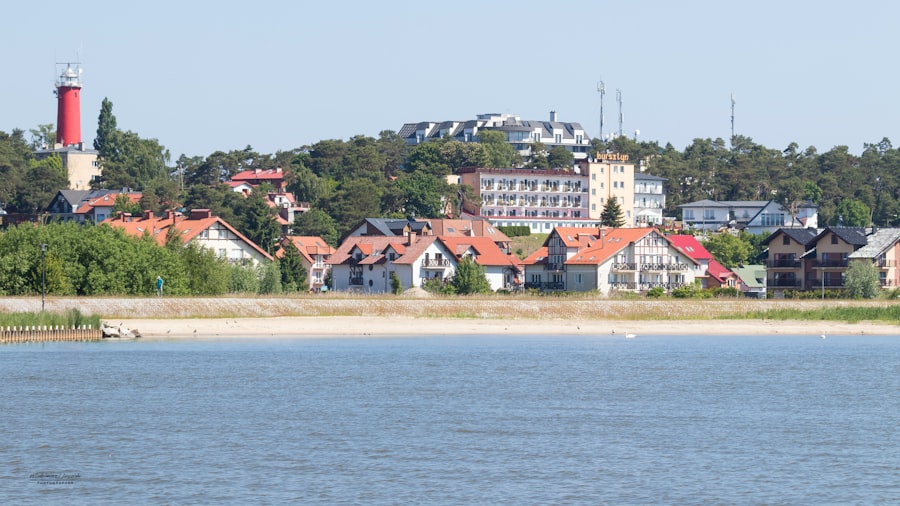
The natural landscapes surrounding Scandinavian coastal towns offer a plethora of outdoor activities for adventure enthusiasts. In Norway’s Lofoten Islands, visitors can engage in hiking, kayaking, and even surfing amidst breathtaking scenery characterized by towering peaks and pristine beaches. The dramatic contrasts between mountains and sea create an exhilarating backdrop for outdoor pursuits.
Hiking trails such as Reinebringen provide panoramic views that reward those willing to venture into nature. In Sweden, the archipelago surrounding Stockholm presents endless opportunities for exploration. Kayaking through its myriad islands allows travelers to experience secluded coves and hidden beaches while observing diverse wildlife along the way.
Cycling along coastal paths or embarking on guided boat tours can also reveal stunning vistas that showcase the region’s natural beauty. Whether it’s scaling mountains or paddling through tranquil waters, outdoor activities in these coastal towns cater to all levels of adventure seekers.
Hidden Beaches and Secluded Coves
One of the most enchanting aspects of Scandinavian coastal towns is their access to hidden beaches and secluded coves that remain largely undiscovered by tourists. In Denmark, for instance, the small town of Skagen is known for its unique meeting point where two seas converge—the Kattegat and Skagerrak—creating stunning beaches with soft sands and clear waters. The area is dotted with hidden coves where visitors can relax away from the crowds while enjoying breathtaking sunsets over the horizon.
Similarly, Norway’s southern coast boasts numerous hidden gems like the beaches around Mandal. These sandy stretches are perfect for sunbathing or swimming during the summer months while offering a tranquil escape from bustling tourist spots. The combination of scenic beauty and relative seclusion makes these beaches ideal for those seeking solitude or a romantic getaway amidst nature’s splendor.
Sustainable Travel and Eco-Friendly Practices
As awareness of environmental issues grows, many Scandinavian coastal towns are leading the way in sustainable travel practices that prioritize ecological preservation while promoting tourism. In Sweden, for example, several towns have implemented initiatives aimed at reducing carbon footprints through eco-friendly transportation options such as electric buses and bike-sharing programs. These efforts encourage visitors to explore local attractions while minimizing their impact on the environment.
Norway has also embraced sustainability through its commitment to preserving natural landscapes and marine ecosystems. Coastal towns like Ålesund have adopted practices such as waste reduction programs and sustainable fishing initiatives that support local communities while protecting marine biodiversity. Travelers are increasingly drawn to these eco-conscious destinations where they can enjoy authentic experiences while contributing positively to the environment.
By prioritizing sustainability, Scandinavian coastal towns not only enhance their appeal but also set an example for responsible tourism practices worldwide.
FAQs
What are Scandinavian coastal towns?
Scandinavian coastal towns are small to medium-sized settlements located along the coastlines of countries in the Scandinavian region, which typically includes Norway, Sweden, and Denmark. These towns often feature maritime culture, fishing industries, and scenic waterfronts.
Why explore Scandinavian coastal towns off the beaten path?
Exploring coastal towns off the beaten path allows travelers to experience authentic local culture, avoid crowds, enjoy unspoiled natural beauty, and discover unique historical sites that are less commercialized than popular tourist destinations.
Which Scandinavian countries have notable coastal towns?
Norway, Sweden, and Denmark all have notable coastal towns. Norway is known for its fjord towns, Sweden for its archipelago settlements, and Denmark for its charming fishing villages and seaside resorts.
What activities can visitors enjoy in Scandinavian coastal towns?
Visitors can enjoy activities such as hiking, boating, fishing, bird watching, exploring local museums, sampling fresh seafood, and experiencing traditional festivals and cultural events.
When is the best time to visit Scandinavian coastal towns?
The best time to visit is typically during the late spring to early autumn months (May to September) when the weather is milder, daylight hours are longer, and outdoor activities are more accessible.
Are Scandinavian coastal towns accessible by public transportation?
Many coastal towns in Scandinavia are accessible by public transportation, including trains, buses, and ferries. However, some remote towns may require a combination of transport modes or car rental for easier access.
What kind of accommodation is available in these towns?
Accommodation options range from small guesthouses, boutique hotels, and bed-and-breakfasts to holiday cottages and hostels, often providing a cozy and intimate atmosphere.
Is it necessary to speak Scandinavian languages when visiting these towns?
While knowledge of Norwegian, Swedish, or Danish can enhance the experience, English is widely spoken in Scandinavian countries, especially in tourist areas, making it easy for international visitors to communicate.
Are Scandinavian coastal towns family-friendly?
Yes, many coastal towns offer family-friendly activities such as nature trails, beaches, and cultural attractions suitable for all ages.
What should travelers pack when visiting Scandinavian coastal towns?
Travelers should pack layered clothing to accommodate variable weather, waterproof jackets, comfortable walking shoes, and any outdoor gear needed for activities like hiking or boating.