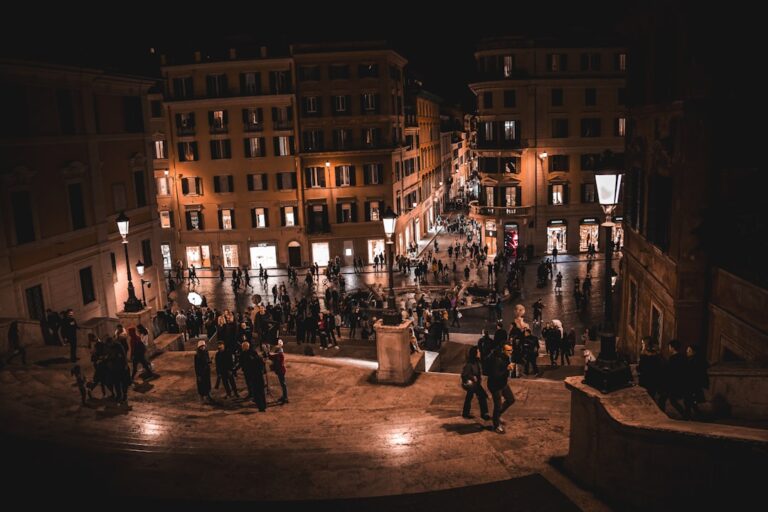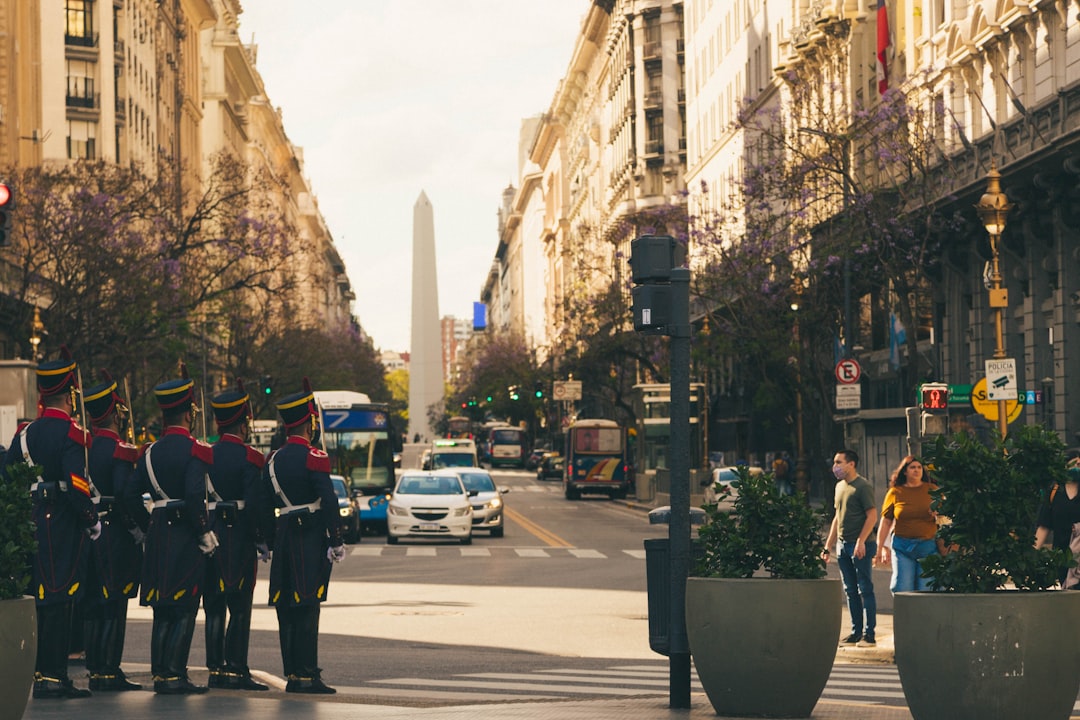
Buenos Aires, the capital of Argentina, is known for its vibrant cultural environment shaped by European and Latin American influences. The city features distinctive architecture, including historic colonial buildings and contemporary structures. This blend of old and new architecture reflects the city’s development from its colonial origins to its modern era.
Buenos Aires serves as a significant center for artistic and cultural activity. The city supports various forms of artistic expression, including visual arts, theater, and dance. Street performers contribute substantially to the city’s cultural landscape by presenting their work in public spaces.
These performers, including mimes and musicians, make art accessible to the general public and engage with audiences in the city’s streets and plazas.
The Diversity of Street Performers
The streets of Buenos Aires are a veritable showcase of talent, featuring a diverse array of street performers who each bring their unique flair to the urban landscape. From jugglers and acrobats to musicians and dancers, the variety is astounding. This eclectic mix reflects not only the artistic talents of the performers but also the multicultural nature of the city itself.
Many performers hail from different regions of Argentina or even from other countries, each contributing their own cultural heritage to the vibrant street scene. One can encounter a tango dancer performing an impromptu routine on a busy corner, their movements telling stories of passion and longing. Nearby, a group of musicians might be playing traditional folk songs, inviting onlookers to join in the rhythm.
The presence of these performers creates a sense of community, as people gather to watch and appreciate the artistry unfolding before them. This communal experience is integral to the culture of Buenos Aires; it fosters connections among strangers and cultivates an appreciation for the diverse talents that enrich the city’s artistic landscape.
The Influence of Tango on Street Performances
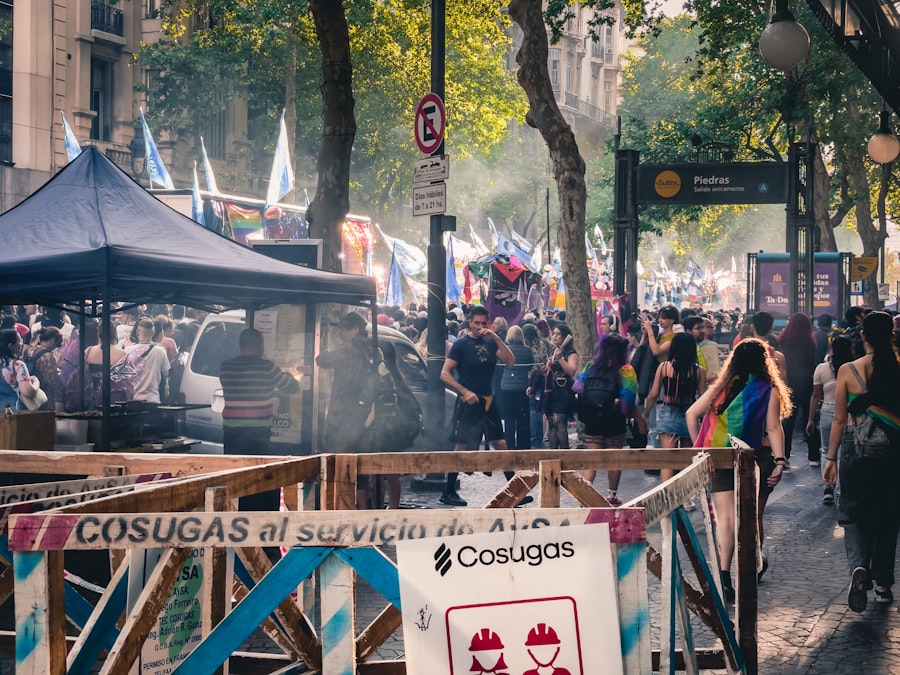
Tango, a dance that originated in the working-class neighborhoods of Buenos Aires in the late 19th century, has become synonymous with Argentine culture. Its influence on street performances is profound, as many artists incorporate tango into their acts, showcasing not only the dance itself but also its accompanying music. The passionate embrace and intricate footwork of tango dancers captivate audiences, drawing them into a world where emotion and artistry collide.
Street tango performances often take place in iconic locations such as La Boca or San Telmo, where cobblestone streets and colorful buildings provide a picturesque backdrop. These performances are not merely for entertainment; they serve as a celebration of Argentine identity and heritage. Dancers often wear traditional attire, adding to the authenticity of their performance.
The music, typically played on bandoneons and guitars, resonates through the air, creating an atmosphere that is both nostalgic and exhilarating. For many spectators, witnessing tango in its natural habitat—on the streets where it was born—offers an unparalleled experience that connects them to the heart and soul of Buenos Aires.
Exploring Different Neighborhoods for Street Performers
To truly appreciate the street performance culture in Buenos Aires, one must explore its various neighborhoods, each offering a distinct flavor of artistic expression. In San Telmo, for instance, visitors can find an abundance of street artists showcasing their talents amidst antique shops and bustling markets. The neighborhood’s bohemian vibe attracts performers who often set up in plazas or along cobblestone streets, creating an atmosphere that feels both intimate and vibrant.
Conversely, Palermo is known for its trendy cafes and boutiques, where street performers often blend contemporary styles with traditional influences. Here, one might encounter a modern dance troupe performing a fusion piece that incorporates elements of hip-hop and tango, reflecting the evolving nature of Argentine culture. Each neighborhood tells its own story through its street performances, allowing visitors to experience the diverse artistic expressions that define Buenos Aires.
By wandering through these areas, one can witness firsthand how local culture shapes the performances and how performers adapt their art to resonate with their surroundings.
The Traditional Music of Buenos Aires
| Metric | Details |
|---|---|
| Popular Locations | San Telmo, Plaza Dorrego, Caminito, Florida Street |
| Common Performance Types | Live music (tango, folk, rock), dance, magic, juggling |
| Peak Performance Hours | Afternoons (2 PM – 6 PM) and evenings (7 PM – 10 PM) |
| Average Number of Performers per Location | 5-10 performers |
| Typical Audience Size | 20-50 people per performance |
| Languages Performed In | Spanish, English, occasionally Italian and Portuguese |
| Common Instruments | Guitar, bandoneon, violin, drums |
| Seasonal Variations | More performers and larger crowds during spring and summer |
| Street Performer Regulations | Permits required in some areas; noise restrictions apply |
| Average Tip Amount | 1-3 (local currency) per person |
Traditional music forms an essential part of Buenos Aires’ cultural identity, with genres such as milonga and folk music deeply rooted in the city’s history. Milonga, often considered a precursor to tango, features lively rhythms that encourage social dancing and community engagement. Folk music from various regions of Argentina also finds its way into street performances, showcasing instruments like the guitar and bombo legüero.
These traditional sounds evoke a sense of nostalgia and pride among locals while captivating tourists who are eager to experience authentic Argentine culture. Street musicians often perform traditional songs that tell stories of love, loss, and everyday life in Argentina. Their melodies resonate with both locals and visitors alike, creating a shared experience that transcends language barriers.
For instance, a musician might play “Alfonsina y el Mar,” a poignant tribute to poet Alfonsina Storni, evoking deep emotions among listeners who connect with the song’s themes. This connection to traditional music not only enriches the street performance scene but also serves as a reminder of Argentina’s rich cultural heritage.
The Modern Fusion of Music in the Streets
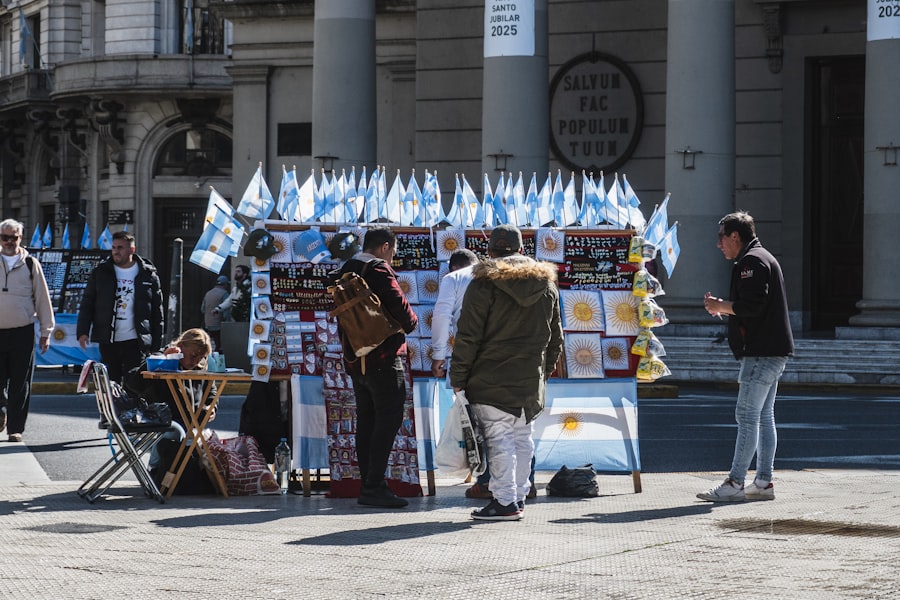
While traditional music remains vital to Buenos Aires’ cultural landscape, modern fusion genres have also emerged within the street performance scene. Artists are increasingly blending various musical styles—such as rock, jazz, and electronic music—with traditional Argentine sounds to create innovative performances that resonate with younger audiences. This fusion reflects the dynamic nature of Buenos Aires as a city that embraces change while honoring its roots.
For example, one might encounter a street performer using loop pedals to layer sounds from traditional instruments with contemporary beats, creating a unique auditory experience that draws in crowds. These modern interpretations not only showcase the versatility of Argentine music but also highlight how artists are pushing boundaries and redefining what it means to perform on the streets. This evolution in musical expression mirrors broader societal changes within Argentina, as artists respond to contemporary issues while remaining connected to their cultural heritage.
Supporting Local Artists and Performers
Supporting local artists and performers is crucial for sustaining the vibrant street performance culture in Buenos Aires. Many street performers rely on tips from passersby as their primary source of income; thus, engaging with them not only enriches one’s experience but also helps sustain their livelihoods. Visitors are encouraged to show appreciation for performances by applauding or contributing financially when possible.
This support fosters a sense of community between artists and audiences while ensuring that these cultural expressions continue to thrive. Moreover, local businesses often play a role in supporting street performers by providing platforms for them to showcase their talents. Cafes and restaurants may host live music events or open mic nights where emerging artists can gain exposure.
By patronizing these establishments or attending performances in public spaces, individuals contribute to an ecosystem that values artistic expression and encourages creativity within the community.
Tips for Enjoying Street Performances in Buenos Aires
To fully immerse oneself in the street performance culture of Buenos Aires, there are several tips to keep in mind. First and foremost, approach performances with an open mind and heart; each artist brings their unique perspective and style to the streets. Engaging with performers—whether through conversation or simply by showing appreciation—can enhance your experience and create memorable interactions.
Timing is also essential; evenings tend to be particularly lively as performers take advantage of cooler temperatures and larger crowds. Popular areas like Plaza Dorrego in San Telmo or Avenida de Mayo often feature multiple acts simultaneously, providing ample opportunities for exploration. Additionally, consider visiting during local festivals or events when street performances are likely to be more abundant.
Lastly, be mindful of your surroundings while enjoying performances; respect personal space and be considerate of other audience members who are also there to enjoy the show. By following these tips and embracing the vibrant culture that defines Buenos Aires’ street performance scene, visitors can create lasting memories while supporting local artists who contribute so richly to the city’s artistic landscape.
FAQs
Where are the best places to find street performers in Buenos Aires?
Some of the best locations to discover street performers in Buenos Aires include the neighborhoods of San Telmo, La Boca, and Palermo. Popular spots like Plaza Dorrego, Caminito, and the pedestrian street Florida are also known for vibrant street performances.
What types of street performances can I expect to see in Buenos Aires?
Buenos Aires offers a variety of street performances including tango dancers, musicians playing traditional Argentine instruments like the bandoneón, folk music groups, and contemporary artists. You may also encounter magicians, painters, and other entertainers.
Is it safe to watch street performances in Buenos Aires?
Yes, generally it is safe to watch street performances in Buenos Aires, especially in well-frequented tourist areas. However, it is advisable to stay aware of your surroundings and keep personal belongings secure, as with any major city.
Do street performers in Buenos Aires accept tips?
Yes, it is customary to tip street performers in Buenos Aires if you enjoy their performance. Tips are usually given in cash and are appreciated as a sign of support for their art.
Are there specific times when street performances are more common?
Street performances in Buenos Aires are more common during weekends, evenings, and public holidays when more people are out enjoying the city. Festivals and cultural events also increase the number and variety of street performances.
Can I take photos or videos of street performers in Buenos Aires?
Yes, you can usually take photos and videos of street performers. However, it is polite to ask for permission first, especially if you plan to use the images for commercial purposes or share them widely.
Is there a particular style of music associated with Buenos Aires street performers?
Tango is the most iconic style of music associated with Buenos Aires street performers. Additionally, you may hear folk music such as chacarera and zamba, as well as contemporary and fusion genres reflecting the city’s diverse culture.
Are there any organized tours to discover street performers and music in Buenos Aires?
Yes, several tour companies offer guided walking tours focused on street performers and the musical heritage of Buenos Aires. These tours often include visits to historic neighborhoods and live performances, providing cultural context and insider knowledge.