Rome, the Eternal City, contains numerous public squares that serve as central gathering spaces for residents and visitors. These piazzas function as social and commercial centers where people meet, eat, and participate in daily activities. Each square reflects distinct architectural styles, historical periods, and cultural developments that have influenced Rome’s development over many centuries.
The piazzas range from active marketplaces to quiet areas with fountains, and they contain significant historical and cultural value. These squares play an important role in Roman urban life beyond their visual design. They serve as meeting places where social interaction occurs and where people engage in everyday activities.
The piazzas are typically lined with restaurants, shops, and historical buildings, creating spaces that encourage public use and exploration. The architectural and historical elements present in these squares provide information about Rome’s past while remaining active parts of the city today. This article examines several of Rome’s major piazzas, each with distinct characteristics and historical importance.
The Piazza Navona: Baroque Beauty
Piazza Navona is a quintessential example of Baroque architecture and design, showcasing the artistic prowess of the 17th century. Originally built on the site of the ancient Stadium of Domitian, this square has evolved into one of Rome’s most celebrated public spaces. The piazza is renowned for its three magnificent fountains, with the centerpiece being Gian Lorenzo Bernini’s Fontana dei Quattro Fiumi (Fountain of the Four Rivers).
This stunning work of art features allegorical figures representing four major rivers from different continents: the Nile, Ganges, Danube, and Río de la Plata. The fountain is not only a visual spectacle but also a testament to Bernini’s mastery of sculptural form and his ability to convey movement and emotion through stone. Surrounding the fountains are elegant buildings adorned with frescoes and intricate details that reflect the grandeur of Baroque aesthetics.
The Church of Sant’Agnese in Agone, designed by Francesco Borromini, stands majestically at one end of the piazza. Its striking façade and dome create a harmonious balance with the surrounding architecture. As visitors stroll through Piazza Navona, they are enveloped in an atmosphere that feels both timeless and vibrant.
Street artists display their talents, musicians fill the air with melodies, and cafes spill out onto the cobblestones, inviting passersby to pause and savor a moment in this enchanting space.
The Piazza di Spagna: Spanish Steps and Fashion
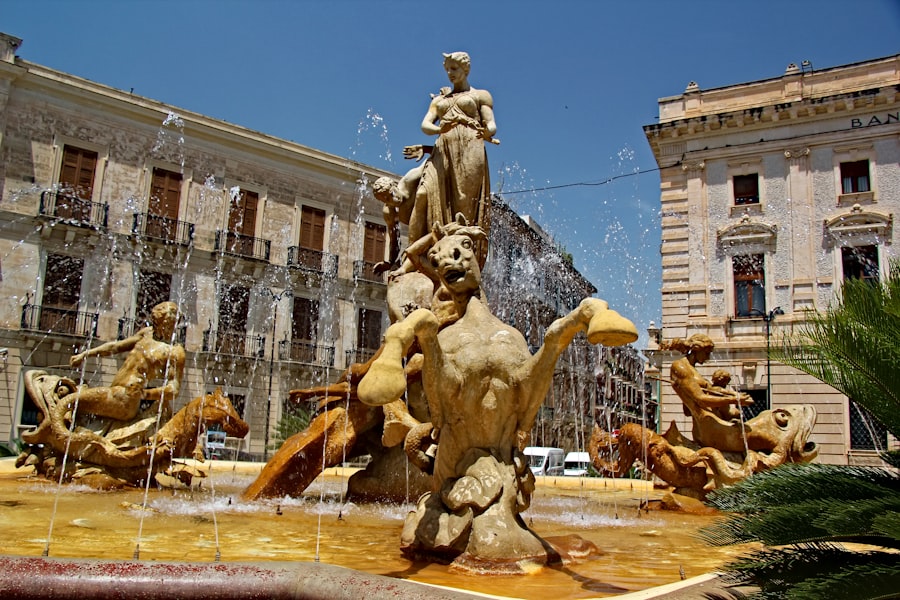
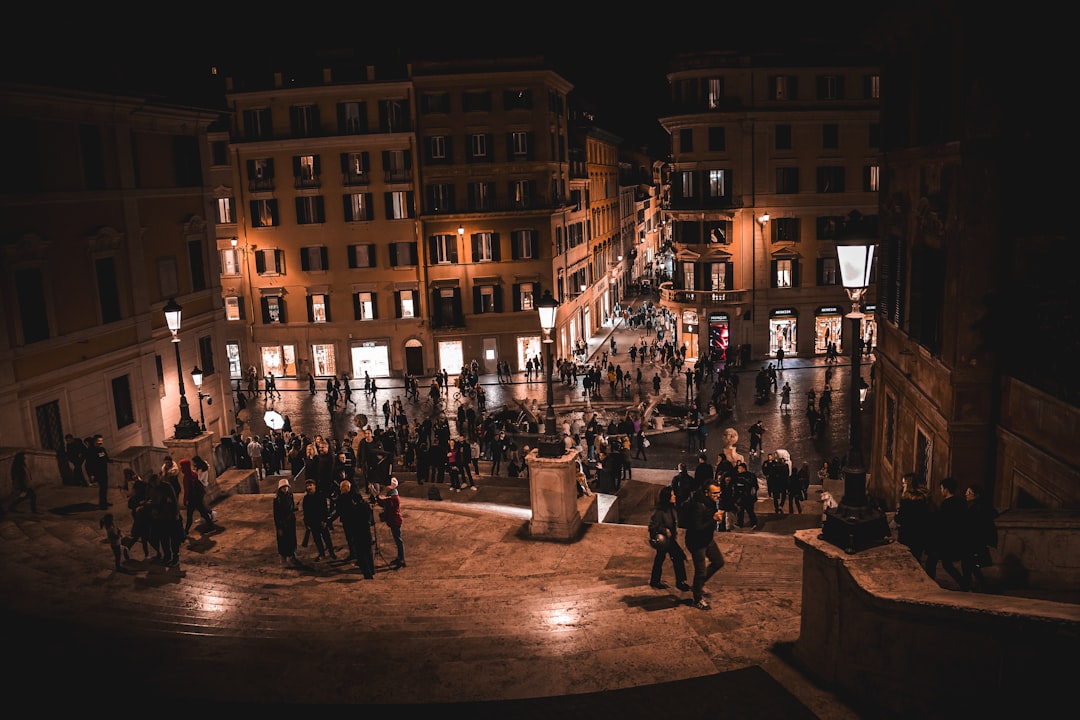
The Piazza di Spagna is perhaps best known for its iconic Spanish Steps, a monumental staircase that connects the piazza to the Trinità dei Monti church above. This grand staircase, consisting of 135 steps, was completed in 1725 and has since become a popular gathering spot for both locals and tourists. The steps are often adorned with blooming azaleas in spring, creating a picturesque scene that attracts photographers and romantics alike.
Sitting on the steps offers a perfect vantage point to observe the lively atmosphere of the piazza below. Beyond its architectural significance, Piazza di Spagna is also a hub for fashion and luxury shopping. The surrounding streets are lined with high-end boutiques and designer stores, making it a prime destination for fashion enthusiasts.
Via dei Condotti, which leads directly into the piazza, is particularly famous for its upscale shops featuring brands like Gucci, Prada, and Valentino. This blend of culture and commerce creates a unique dynamic where art meets modernity. Visitors can indulge in retail therapy while soaking in the historical ambiance that permeates the area.
The Piazza del Popolo: Gateway to Rome
Piazza del Popolo serves as a grand entrance to Rome from the north, historically welcoming travelers into the city. Its name translates to “People’s Square,” reflecting its role as a gathering place for citizens throughout history. The piazza is characterized by its elliptical shape and is flanked by two churches: Santa Maria dei Miracoli and Santa Maria in Montesanto.
These twin churches create a symmetrical balance that enhances the visual appeal of the square. At the center of Piazza del Popolo stands an ancient Egyptian obelisk, known as the Flaminio Obelisk, which dates back to 1300 BThis impressive monument was transported to Rome by Emperor Augustus and serves as a reminder of Rome’s imperial past. Surrounding the obelisk are fountains that add to the square’s charm.
The piazza is not only a historical landmark but also a vibrant space where events and concerts are held throughout the year. Its expansive layout allows for large gatherings, making it an ideal location for festivals and celebrations that bring together people from all walks of life.
The Piazza Venezia: Monumental History
| Piazza | Key Features | Recommended Activities | Best Time to Visit | Nearby Attractions |
|---|---|---|---|---|
| Piazza Navona | Baroque fountains, street artists, cafes | People watching, enjoying gelato, visiting Sant’Agnese in Agone | Late afternoon to evening | Pantheon, Campo de’ Fiori |
| Piazza di Spagna | Spanish Steps, Trinità dei Monti church | Climbing the steps, shopping on Via dei Condotti, relaxing on the steps | Morning or early evening | Villa Borghese, Trevi Fountain |
| Piazza del Popolo | Obelisk, twin churches, large open space | Visiting churches, people watching, starting point for walks to Villa Borghese | Morning | Villa Borghese, Pincian Hill |
| Piazza Venezia | Monument to Victor Emmanuel II, central hub | Exploring Vittoriano monument, gateway to Roman Forum | Daytime | Roman Forum, Capitoline Hill |
| Piazza Santa Maria in Trastevere | Medieval church, lively nightlife | Dining at local trattorias, enjoying live music, visiting the basilica | Evening | Trastevere neighborhood |
Piazza Venezia is dominated by one of Rome’s most recognizable landmarks: the Altare della Patria (Altar of the Fatherland), also known as Il Vittoriano. This monumental structure was built in honor of Victor Emmanuel II, the first king of unified Italy, and stands as a symbol of national pride. The grandeur of the altar is matched by its intricate sculptures and imposing columns that create an awe-inspiring sight against the backdrop of Rome’s skyline.
The piazza itself serves as a crucial junction connecting several important roads leading into the heart of Rome. Its strategic location has made it a focal point for political events and public gatherings throughout history. The surrounding buildings reflect various architectural styles, showcasing Rome’s evolution over time.
Visitors can climb to the terrace atop Il Vittoriano for panoramic views of the city, offering a unique perspective on Rome’s rich tapestry of history and culture. As one stands at this vantage point, it becomes clear how Piazza Venezia encapsulates both the grandeur of Italy’s past and its vibrant present.
The Piazza Campo de’ Fiori: Market and Martyrs
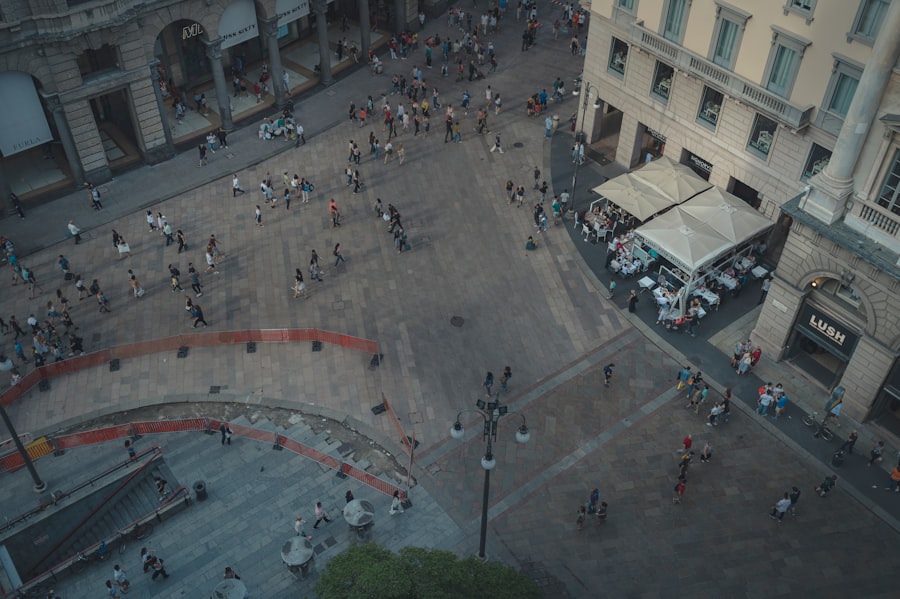
Piazza Campo de’ Fiori is a lively square that embodies both daily life and historical significance. Originally a meadow (hence its name meaning “Field of Flowers”), it has transformed into one of Rome’s most famous markets. Each morning, vendors set up stalls selling fresh produce, flowers, spices, and local delicacies.
The market atmosphere is bustling with energy as locals shop for ingredients while exchanging pleasantries with friends and neighbors. This vibrant scene offers visitors an authentic taste of Roman life. However, Campo de’ Fiori is also steeped in history, particularly regarding its association with Giordano Bruno, a philosopher who was executed for heresy in 1600.
A statue commemorating Bruno stands at the center of the piazza, serving as a poignant reminder of his contributions to free thought and intellectual discourse. The juxtaposition of lively market activity with this somber historical figure creates a unique dynamic within the square. In addition to its market days, Campo de’ Fiori transforms into a social hub in the evenings when bars and restaurants fill with patrons enjoying food and drink under the stars.
The Piazza Trastevere: Bohemian Charm
Piazza Trastevere exudes an unmistakable bohemian charm that sets it apart from other squares in Rome. Nestled in one of the city’s most picturesque neighborhoods, this piazza is characterized by its narrow cobblestone streets lined with colorful buildings adorned with ivy and flowers. The square itself is often filled with street performers showcasing their talents—musicians strumming guitars, artists painting vibrant scenes, and dancers captivating audiences with their moves.
At one end of Piazza Trastevere stands Santa Maria in Trastevere, one of Rome’s oldest churches known for its stunning mosaics that date back to the 12th century. The church’s façade glows warmly in the evening light, drawing visitors who wish to explore its interior beauty. The surrounding area is dotted with charming trattorias where diners can savor traditional Roman dishes while enjoying views of the lively square.
As night falls, Piazza Trastevere comes alive with laughter and conversation as locals gather to socialize over drinks or gelato under twinkling lights.
Exploring Rome’s Piazzas
The piazzas of Rome are more than mere public spaces; they are vibrant reflections of the city’s rich history and culture. Each square offers a unique experience that invites exploration and discovery. From the Baroque elegance of Piazza Navona to the bohemian spirit of Piazza Trastevere, these squares encapsulate what it means to be part of Roman life—an intricate blend of past and present where art, history, and community converge.
As visitors wander through these iconic spaces, they are not just observing; they are participating in a living narrative that has unfolded over centuries. Whether sipping espresso at a café in Piazza di Spagna or shopping at the bustling market in Campo de’ Fiori, each moment spent in these piazzas contributes to an understanding of Rome’s identity as a city that celebrates both its glorious past and its vibrant present. Exploring these squares is an invitation to connect with history while embracing the lively spirit that defines this remarkable city.
FAQs
What are Rome’s piazzas?
Rome’s piazzas are public squares that serve as social, cultural, and historical hubs throughout the city. They often feature fountains, statues, cafes, and are surrounded by important buildings and churches.
Why should I visit Rome’s piazzas beyond the Colosseum?
While the Colosseum is a major attraction, Rome’s piazzas offer a more authentic and diverse experience of the city’s daily life, architecture, and history. They provide opportunities to relax, people-watch, enjoy local cuisine, and explore lesser-known landmarks.
Which piazzas are must-see in Rome besides the Colosseum area?
Some of the most famous piazzas to visit include Piazza Navona, Piazza di Spagna (Spanish Steps), Piazza del Popolo, Campo de’ Fiori, and Piazza Venezia. Each has its own unique atmosphere and historical significance.
What activities can I do in Rome’s piazzas?
Visitors can enjoy outdoor dining at cafes and restaurants, attend street performances, visit nearby churches and museums, shop at local markets, or simply relax and soak in the vibrant atmosphere.
Are Rome’s piazzas accessible by public transportation?
Yes, most of Rome’s major piazzas are easily accessible by bus, metro, or tram. Many are located within walking distance of each other in the historic center.
Is it safe to visit Rome’s piazzas at night?
Generally, Rome’s piazzas are safe to visit at night, especially in well-populated and tourist-friendly areas. However, it is advisable to stay aware of your surroundings and avoid poorly lit or isolated spots.
Do I need to pay to enter Rome’s piazzas?
No, access to public piazzas in Rome is free. However, some attractions or museums located in or near the piazzas may charge an entrance fee.
Can I find local food and drinks in Rome’s piazzas?
Yes, many piazzas are lined with cafes, gelaterias, and restaurants offering traditional Roman and Italian cuisine, making them ideal spots to sample local flavors.
When is the best time to visit Rome’s piazzas?
Early mornings and late afternoons are great times to visit to avoid crowds and enjoy pleasant weather. Evening visits are also popular for dining and experiencing the piazzas’ lively nightlife.
Are there guided tours available for exploring Rome’s piazzas?
Yes, many guided walking tours focus on Rome’s piazzas, providing historical context and insider tips. Self-guided tours with maps or apps are also widely available.