Yosemite National Park is famous for its distinctive landmarks, including El Capitan and Half Dome, which attract large numbers of visitors seeking scenic experiences. However, the park contains numerous lesser-known trails that provide access to diverse ecosystems and varied landscapes. These trails allow hikers to explore Yosemite’s natural features with fewer crowds than the main attractions.
The appeal of these trails extends beyond their visual appeal to include the opportunity for more solitary outdoor experiences. The North Dome Trail exemplifies these lesser-known routes. This trail leads to a viewpoint overlooking Yosemite Valley that offers comparable views to the more heavily visited Glacier Point.
The North Dome Trail passes through forested areas and granite formations before reaching its summit vista. Along the route, hikers encounter the park’s plant and animal species, providing opportunities to observe local wildlife and vegetation. The quieter conditions on this trail create an environment suitable for observing natural features and experiencing the park’s landscape with minimal disturbance from other visitors.
Uncovering the Serene Beauty of Yosemite’s Lesser-Known Hiking Trails
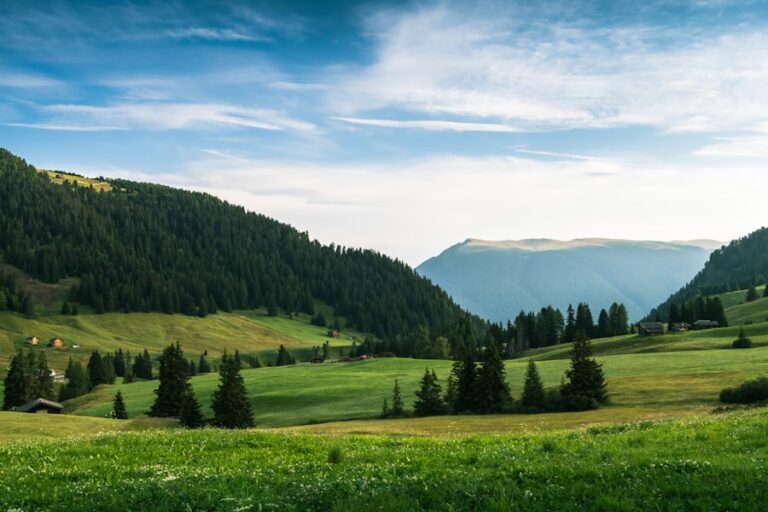
Yosemite’s lesser-known hiking trails are often characterized by their serene beauty and untouched landscapes. Trails like the Mono Meadow Loop offer a peaceful retreat into meadows adorned with wildflowers and framed by towering pines. This loop trail is relatively flat, making it accessible for hikers of all skill levels, and it provides an excellent opportunity for wildlife viewing.
As you walk through the meadows, you may spot deer grazing or hear the melodic calls of various bird species flitting among the trees. The tranquility of this area is palpable, allowing visitors to fully immerse themselves in the sights and sounds of nature. Another hidden treasure is the Chilnualna Falls Trail, which leads to one of Yosemite’s lesser-known waterfalls.
This trail is a bit more challenging, winding through dense forests and steep terrain, but the reward is well worth the effort. As hikers ascend, they are treated to stunning views of the surrounding landscape, including glimpses of the falls cascading down granite cliffs. The sound of rushing water becomes a constant companion, enhancing the sense of adventure as one approaches the falls.
The beauty of Chilnualna Falls lies not only in its physical presence but also in the sense of accomplishment felt upon reaching this secluded spot, far removed from the park’s more crowded attractions.
Embracing Solitude: Hiking Away from the Crowds in Yosemite
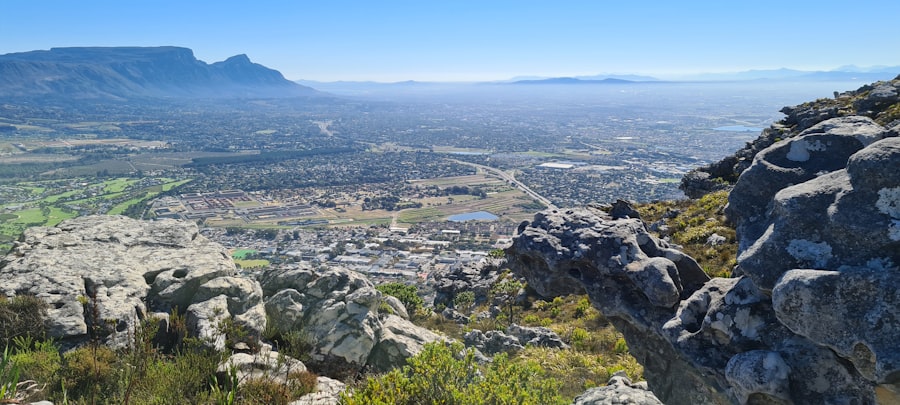
For those seeking solitude amidst nature, Yosemite’s lesser-known trails provide an ideal escape from the bustling crowds that often populate popular sites. The solitude found on these trails allows hikers to connect with their surroundings on a deeper level, fostering a sense of peace that is often elusive in more frequented areas. The quietude of trails like the Porcupine Flat Trail offers an opportunity to reflect and recharge while surrounded by stunning vistas and towering granite formations.
The experience of hiking in solitude can be transformative. As you traverse these less-traveled paths, you may find yourself more attuned to the subtle nuances of nature—the rustle of leaves in the wind, the distant call of a hawk, or the gentle trickle of a nearby stream. This heightened awareness can lead to moments of introspection and clarity, making each hike not just a physical journey but also a mental and emotional one.
Embracing solitude on these trails allows for a deeper appreciation of Yosemite’s natural beauty and an opportunity to reconnect with oneself away from the distractions of modern life.
Discovering Hidden Waterfalls and Scenic Vistas on Yosemite’s Hidden Trails
Yosemite is home to numerous hidden waterfalls that remain largely undiscovered by the average visitor. The trail to Waterwheel Falls is one such example, where hikers can witness the unique phenomenon of water cascading over large granite slabs, creating a mesmerizing display. This trail is less frequented than others, allowing for an intimate experience with nature as you navigate through lush forests and rocky outcrops.
The sound of rushing water accompanies you as you approach the falls, creating a soothing backdrop that enhances the overall experience. In addition to hidden waterfalls, many lesser-known trails lead to breathtaking scenic vistas that rival those found on more popular routes. The trail to Sentinel Dome offers panoramic views of Yosemite Valley and beyond, yet it remains relatively uncrowded compared to other viewpoints.
As you ascend to the summit, you are rewarded with sweeping vistas that showcase the park’s diverse landscapes—from granite cliffs to verdant valleys. The sense of accomplishment felt upon reaching these viewpoints is amplified by the knowledge that you have ventured off the beaten path to discover something truly special.
Navigating the Untouched Wilderness: Hiking Yosemite’s Secret Trails
| Trail Name | Distance (miles) | Elevation Gain (feet) | Difficulty | Estimated Hiking Time | Key Features |
|---|---|---|---|---|---|
| Glen Aulin Trail | 7.2 | 1,200 | Moderate | 4-5 hours | Waterfalls, river views, fewer crowds |
| North Dome Trail | 9.5 | 1,800 | Moderate to Strenuous | 5-6 hours | Panoramic views of Yosemite Valley, less trafficked |
| Chilnualna Falls Trail | 8.2 | 2,200 | Strenuous | 5-7 hours | Multiple waterfalls, wildflower meadows |
| Clouds Rest via Sunrise Trailhead | 14.5 | 2,900 | Strenuous | 7-9 hours | 360-degree views, less crowded than Half Dome |
| Hetch Hetchy Reservoir Trail | 5.0 | 600 | Easy to Moderate | 2-3 hours | Reservoir views, wildflowers, quiet |
Yosemite’s secret trails beckon adventurous souls eager to explore untouched wilderness areas that remain largely uncharted by mainstream tourism. Trails like the Merced Lake Trail lead hikers deep into the heart of Yosemite’s backcountry, where they can experience pristine landscapes and encounter wildlife in their natural habitats. This trail winds alongside the Merced River, offering opportunities for fishing and swimming in secluded spots along the way.
Navigating these secret trails requires preparation and awareness, as they often lack the amenities found on more developed paths. Hikers should be equipped with proper navigation tools and be prepared for changing weather conditions. However, the rewards are immense; these trails provide an authentic connection to nature that is often lost in more commercialized areas.
The sense of adventure that comes with exploring these untouched wilderness areas fosters a deeper appreciation for Yosemite’s natural beauty and encourages a spirit of exploration.
Embracing Adventure: Exploring Yosemite’s Remote and Less-Traveled Hiking Routes
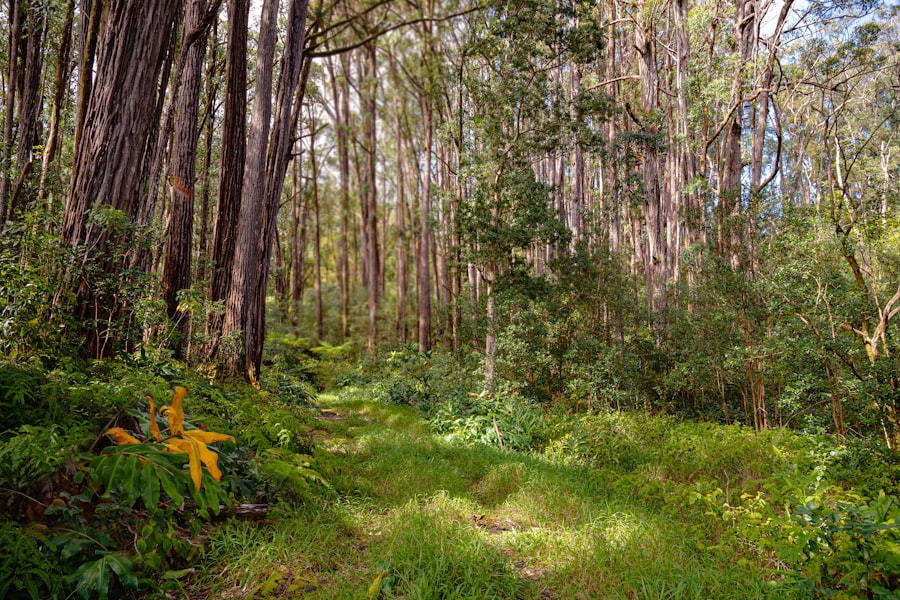
For those with a thirst for adventure, Yosemite’s remote hiking routes offer an exhilarating experience that goes beyond traditional hiking. The trail to Clouds Rest is one such route that challenges even seasoned hikers with its steep ascents and rugged terrain. However, those who undertake this journey are rewarded with breathtaking views that stretch across the Sierra Nevada mountains.
The sense of accomplishment felt upon reaching Clouds Rest is unparalleled, as you stand atop this granite ridge overlooking some of Yosemite’s most iconic landmarks. Exploring these remote routes also provides an opportunity to encounter unique geological features and diverse ecosystems that are often overlooked by casual visitors. The trail to Gaylor Lakes showcases stunning alpine lakes surrounded by granite peaks, offering a picturesque setting for photography or simply soaking in the beauty of nature.
The adventure lies not only in reaching your destination but also in discovering hidden wonders along the way—whether it’s spotting rare wildflowers or observing wildlife in their natural habitats.
Connecting with Nature: Finding Peace and Tranquility on Yosemite’s Hidden Trails
The hidden trails of Yosemite serve as sanctuaries for those seeking peace and tranquility amidst nature’s splendor. Trails like the Wawona Trail lead hikers through serene forests filled with towering sequoias, creating an atmosphere conducive to reflection and relaxation. As you walk along these paths, you may find yourself enveloped in a sense of calm that allows for deeper connections with both nature and oneself.
The experience of hiking on these tranquil trails can be meditative; each step taken becomes a form of mindfulness as you focus on your surroundings—the scent of pine needles underfoot, the gentle rustle of leaves overhead, or the distant sound of water flowing in a nearby creek. This connection with nature fosters a sense of belonging and appreciation for the environment, reminding us of our place within it. In a world filled with distractions, finding solace on these hidden trails can be a transformative experience that rejuvenates both body and spirit.
Unveiling Yosemite’s Best-Kept Secrets: Hiking the Park’s Lesser-Trodden Paths
Yosemite National Park is filled with secrets waiting to be unveiled by those willing to venture off the beaten path. Hiking lesser-trodden paths not only reveals stunning landscapes but also offers insights into the park’s rich history and ecology. For instance, exploring the historic Old Big Oak Flat Road provides a glimpse into Yosemite’s past as it winds through ancient forests and past remnants of early settler structures.
These hidden paths often lead to unique geological formations or historical sites that tell stories about the park’s natural history and cultural significance. The trail to Hetch Hetchy Valley showcases not only breathtaking scenery but also highlights important conservation efforts aimed at preserving this lesser-known area of Yosemite. By hiking these best-kept secrets, visitors gain a deeper understanding of Yosemite’s diverse ecosystems while enjoying an experience that feels personal and intimate.
In conclusion, exploring Yosemite’s off-the-beaten-path trails offers an enriching experience that allows visitors to connect with nature on a profound level. From hidden waterfalls to serene vistas, these lesser-known routes provide opportunities for adventure, solitude, and reflection away from crowded tourist spots. Embracing these hidden gems not only enhances one’s appreciation for Yosemite’s natural beauty but also fosters a deeper connection with the environment itself.
FAQs
What are some lesser-trodden hiking trails around Yosemite National Park?
Some lesser-trodden trails around Yosemite include the Hetch Hetchy Reservoir trails, the Chilnualna Falls Trail, the Glen Aulin Trail, and the North Dome Trail. These offer quieter alternatives to the popular Yosemite Valley hikes.
When is the best time to hike lesser-known trails in Yosemite?
The best time to hike lesser-known trails is typically late spring through early fall (May to October), when the weather is mild and most trails are free of snow. Early mornings and weekdays are ideal for avoiding crowds.
Are permits required for hiking in Yosemite’s backcountry?
Yes, a wilderness permit is required for overnight backcountry hikes in Yosemite National Park. Day hikes on most trails do not require permits, but it’s important to check specific trail regulations before your trip.
What should I bring when hiking lesser-trodden trails in Yosemite?
Essential items include plenty of water, sturdy hiking boots, layered clothing, a map or GPS device, sun protection, snacks, and a first aid kit. For longer hikes, bring camping gear and bear-proof food containers.
Are the lesser-trodden trails in Yosemite suitable for beginners?
Some lesser-known trails are suitable for beginners, but many are more remote and may have challenging terrain. It’s important to research trail difficulty and prepare accordingly before setting out.
How can I stay safe while hiking less popular trails in Yosemite?
Stay on marked trails, inform someone of your plans, carry a map and compass, watch for wildlife, and be prepared for changing weather. Cell phone reception may be limited, so carry emergency supplies.
Can I find water sources along these lesser-known trails?
Water availability varies by trail and season. Many backcountry streams and creeks exist, but it’s advisable to carry sufficient water and use a water filter or purification tablets when sourcing water from natural sources.
Are dogs allowed on hiking trails around Yosemite National Park?
Dogs are allowed only on paved trails, roads, and campgrounds within Yosemite National Park. They are not permitted on most hiking trails, especially in wilderness areas, to protect wildlife and natural habitats.
Where can I find maps and trail information for hiking lesser-trodden trails?
Maps and trail information can be obtained from the Yosemite National Park Visitor Centers, the official National Park Service website, and reputable hiking guidebooks. Online hiking forums and apps also provide useful trail details.
What wildlife might I encounter on these trails?
Hikers may see deer, black bears, marmots, squirrels, and various bird species. It’s important to keep a safe distance from wildlife and follow park guidelines to avoid disturbing animals.