Arizona contains numerous canyons beyond the Grand Canyon that showcase distinctive geological formations and natural features. These lesser-known canyons display diverse landscapes, from colorful sandstone formations to isolated water systems, reflecting the state’s varied geology and ecosystems. Antelope Canyon, situated near Page, Arizona, exemplifies these hidden natural attractions.
This slot canyon features distinctive wave-like rock formations and light beams that penetrate through narrow openings in the canyon walls. The canyon receives fewer visitors than the Grand Canyon, providing a more solitary experience for those exploring the area. The interplay of natural light and shadow on the canyon walls creates favorable conditions for photography, attracting visitors interested in documenting Arizona’s geological features.
The Thrill of Discovery: Exploring Arizona’s Secret Canyons
Venturing into Arizona’s secret canyons is akin to stepping into a world untouched by time. Each canyon tells a story, shaped by millennia of erosion and geological processes. For instance, the enchanting Water Holes Canyon, located just outside Page, offers a unique blend of adventure and tranquility.
Hikers can navigate through narrow passages and discover hidden pools that reflect the vibrant colors of the canyon walls. The thrill of discovery is palpable as one encounters unexpected rock formations and wildlife along the way. Another captivating destination is the enchanting Buckskin Gulch, one of the longest slot canyons in the world.
This remarkable canyon stretches over 12 miles and features towering walls that soar up to 400 feet high. The journey through Buckskin Gulch is not just about the destination; it’s about the experience of traversing through narrow passages, where sunlight dances on the walls and creates an ever-changing tapestry of colors. The thrill of exploration is heightened by the sense of solitude that envelops visitors, making it a perfect escape from the hustle and bustle of everyday life.
Uncovering Arizona’s Best-Kept Secrets: A Guide to Off-the-Beaten-Path Canyons
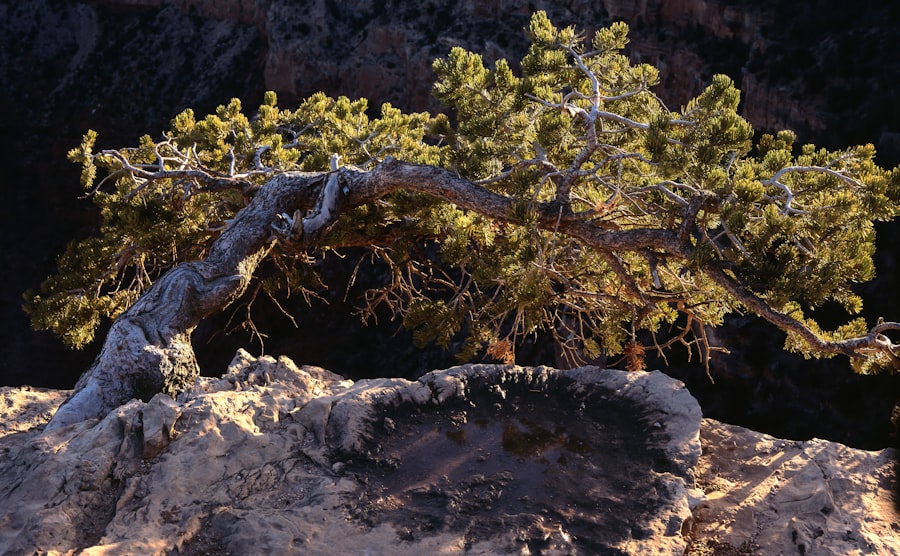
For those willing to venture off the beaten path, Arizona’s lesser-known canyons offer a treasure trove of experiences waiting to be uncovered. One such canyon is the enchanting Secret Canyon, located near Page. This hidden gem is often overlooked by tourists, making it an ideal spot for those seeking solitude amidst stunning natural beauty.
The canyon features intricate rock formations and vibrant colors that change throughout the day as sunlight filters through its narrow openings. Another remarkable destination is the enchanting Red Rock Canyon, situated near Sedona. Known for its striking red sandstone formations, this canyon offers a unique blend of hiking trails and breathtaking vistas.
Unlike the more crowded trails in Sedona, Red Rock Canyon provides a sense of seclusion, allowing visitors to immerse themselves in nature without the distractions of large crowds. The diverse flora and fauna found within this canyon further enhance its allure, making it a perfect spot for nature enthusiasts and photographers alike.
The Unique Beauty of Arizona’s Hidden Canyons: A Photo Journey
The visual splendor of Arizona’s hidden canyons is nothing short of extraordinary. Each canyon possesses its own unique character, offering photographers an endless array of opportunities to capture stunning images. For instance, the vibrant colors of Antelope Canyon create a mesmerizing backdrop for photography, with swirling patterns etched into the sandstone walls.
The interplay of light and shadow adds depth to each photograph, resulting in images that evoke a sense of wonder. In contrast, the rugged beauty of Havasu Canyon presents a different kind of photographic challenge. Known for its stunning turquoise waterfalls and lush vegetation, Havasu Canyon offers a striking contrast to the arid landscapes typically associated with Arizona.
Photographers can capture the cascading waters against the backdrop of towering cliffs, creating images that showcase the diverse beauty of the state. Each hidden canyon tells its own story through photographs, inviting viewers to experience the magic of Arizona’s natural wonders.
Exploring Arizona’s Secret Canyons: Tips for Off-Grid Adventures
| Canyon Name | Location | Length (miles) | Average Depth (feet) | Popular Activities | Accessibility |
|---|---|---|---|---|---|
| Antelope Canyon | Near Page, Northern Arizona | 0.5 | 120 | Photography, Guided Tours | Guided tours required |
| Paria Canyon | Vermilion Cliffs National Monument | 38 | 500 | Hiking, Backpacking | Permit required |
| Sycamore Canyon | Near Sedona, Central Arizona | 21 | 800 | Hiking, Camping, Wildlife Viewing | Open to public |
| Oak Creek Canyon | Near Sedona, Central Arizona | 12 | 2,000 | Hiking, Fishing, Scenic Drives | Open to public |
| Salt River Canyon | Near Globe, Eastern Arizona | 25 | 1,500 | Rafting, Fishing, Hiking | Open to public |
Embarking on an adventure to explore Arizona’s secret canyons requires careful planning and preparation. First and foremost, it’s essential to research each canyon thoroughly before setting out. Understanding trail conditions, weather patterns, and potential hazards will ensure a safe and enjoyable experience.
Many hidden canyons lack established trails or signage, so having a reliable map or GPS device is crucial for navigation. Additionally, visitors should be mindful of their impact on these pristine environments. Practicing Leave No Trace principles is vital to preserving the natural beauty of Arizona’s hidden canyons for future generations.
This includes packing out all trash, staying on designated paths when possible, and respecting wildlife habitats. By being responsible stewards of these natural treasures, adventurers can help maintain the delicate balance between exploration and conservation.
Beyond the Grand Canyon: Arizona’s Lesser-Known Canyons Await
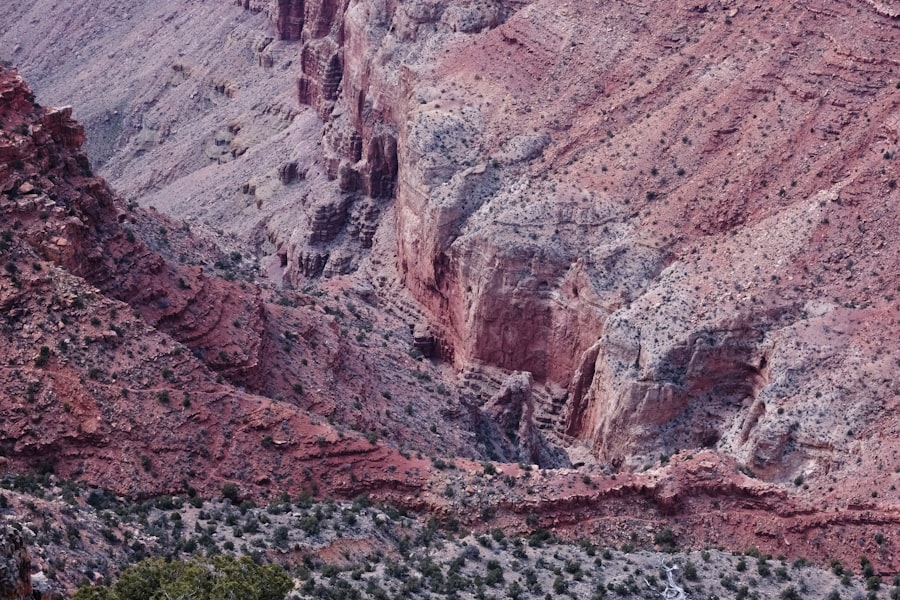
While the Grand Canyon may dominate conversations about Arizona’s natural wonders, countless lesser-known canyons await discovery by intrepid explorers. One such canyon is the stunning Coal Mine Canyon, located on the Navajo Nation near Tuba City. This hidden gem features striking geological formations and vibrant colors that rival those found in more famous locations.
The remote nature of Coal Mine Canyon means that visitors can enjoy its beauty without the crowds typically associated with more popular destinations. Another captivating option is the picturesque Sycamore Canyon, located in Coconino National Forest. This canyon offers a diverse range of hiking trails that wind through lush vegetation and alongside flowing streams.
The tranquil atmosphere makes it an ideal spot for birdwatching or simply enjoying a peaceful day in nature. As visitors traverse the trails, they are treated to breathtaking views that showcase Arizona’s diverse landscapes beyond the well-trodden paths.
The History and Culture of Arizona’s Secret Canyons: A Journey Through Time
Arizona’s secret canyons are not only geological wonders but also rich in history and cultural significance. Many of these canyons have been inhabited by Native American tribes for centuries, each leaving their mark on the land through art, architecture, and traditions. For example, Canyon de Chelly is home to ancient cliff dwellings built by the Ancestral Puebloans over 1,000 years ago.
These structures serve as a testament to the ingenuity and resilience of those who once called this canyon home. Exploring these hidden canyons provides an opportunity to connect with Arizona’s rich cultural heritage. Visitors may encounter petroglyphs etched into canyon walls or remnants of ancient dwellings that tell stories of past civilizations.
Engaging with local tribes and learning about their traditions fosters a deeper appreciation for the land and its history. By understanding the cultural significance of these canyons, adventurers can enrich their experience while honoring the legacy of those who came before them.
Preserving Arizona’s Secret Canyons: The Importance of Responsible Tourism
As interest in Arizona’s hidden canyons continues to grow, so does the need for responsible tourism practices to ensure their preservation for future generations. The delicate ecosystems within these canyons are vulnerable to human impact, making it essential for visitors to approach their adventures with care and respect. Responsible tourism involves not only minimizing environmental impact but also supporting local communities and economies.
One way to practice responsible tourism is by choosing guided tours led by local experts who prioritize sustainability and conservation efforts. These guides often have extensive knowledge about the area’s ecology and history, providing visitors with a richer understanding of their surroundings while promoting responsible practices. Additionally, supporting local businesses—such as artisans or restaurants—helps sustain communities that rely on tourism while fostering a deeper connection between visitors and residents.
By embracing responsible tourism practices, adventurers can enjoy Arizona’s secret canyons while ensuring their preservation for years to come. Each visit becomes an opportunity not only for personal exploration but also for contributing positively to the environment and local culture. As more people discover these hidden gems beyond the Grand Canyon, fostering a sense of stewardship will be crucial in maintaining their beauty and integrity for future generations to enjoy.
FAQs
What are some lesser-known canyons in Arizona besides the Grand Canyon?
Arizona is home to several stunning canyons beyond the Grand Canyon, including Antelope Canyon, Canyon de Chelly, Oak Creek Canyon, and Walnut Canyon. Each offers unique geological formations and scenic beauty.
Where is Antelope Canyon located?
Antelope Canyon is located near the town of Page in northern Arizona. It is famous for its narrow passageways and light beams that create spectacular photographic opportunities.
Can visitors hike in these hidden canyons?
Yes, many of Arizona’s lesser-known canyons offer hiking opportunities. For example, Oak Creek Canyon has several trails, and Canyon de Chelly features guided hikes. However, some areas like Antelope Canyon require guided tours for safety and preservation reasons.
Are permits required to visit these canyons?
Permit requirements vary by location. For instance, visiting Antelope Canyon requires booking a guided tour, which acts as a permit. Canyon de Chelly is on Navajo land, and visitors must use authorized guides for certain hikes. It’s best to check specific regulations before planning a visit.
What is the best time of year to explore Arizona’s hidden canyons?
Spring and fall are generally the best times to visit due to milder temperatures and fewer crowds. Summer can be very hot, especially in lower elevation canyons, while winter may bring snow to higher elevations.
Are these canyons accessible for families and beginners?
Many of the hidden canyons have trails suitable for families and beginners, such as the Rim Trail at Walnut Canyon. However, some areas may have challenging terrain, so it’s important to research trail difficulty and prepare accordingly.
What makes these canyons unique compared to the Grand Canyon?
While the Grand Canyon is known for its vast size and depth, other Arizona canyons offer unique features such as slot canyon formations (Antelope Canyon), ancient Native American ruins (Canyon de Chelly), lush vegetation (Oak Creek Canyon), and cliff dwellings (Walnut Canyon).
Are there guided tours available for these hidden canyons?
Yes, many of these canyons offer guided tours. For example, Antelope Canyon tours are led by Navajo guides, and Canyon de Chelly tours often include Navajo guides who provide cultural and historical insights.
Can you camp near these hidden canyons?
Camping options vary by location. Some areas near Oak Creek Canyon and Walnut Canyon have campgrounds, while others may have limited or no camping facilities. It’s advisable to check local regulations and availability before planning to camp.
How can visitors respect and preserve these natural sites?
Visitors should follow Leave No Trace principles, stay on designated trails, avoid touching or defacing rock formations, and respect cultural sites and local regulations. Supporting local guides and businesses also helps preserve these areas.