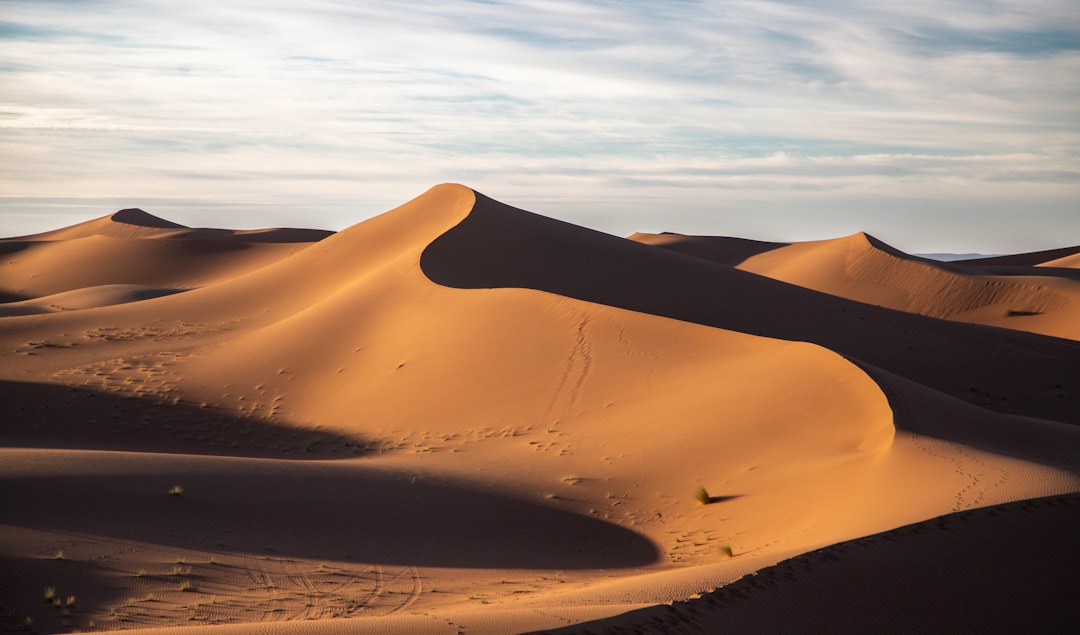
Wadi Rum, commonly known as the “Valley of the Moon,” is a desert landscape in southern Jordan. Designated as a UNESCO World Heritage site, it features towering sandstone mountains, expanses of red and pink sand, and distinctive rock formations. The region’s landscape has served as a filming location for major motion pictures, including “Lawrence of Arabia.” Wadi Rum is also significant for its cultural heritage, as it has been home to Bedouin communities whose traditions continue to shape the area’s character.
The history of Wadi Rum extends back thousands of years, with archaeological evidence indicating human habitation since prehistoric times. Rock carvings and inscriptions discovered throughout the region document the presence of ancient civilizations. Today, Wadi Rum represents a convergence of historical significance, cultural traditions, and natural geography, offering visitors the opportunity to experience these interconnected elements in a single location.
The Unique Landscape of Wadi Rum
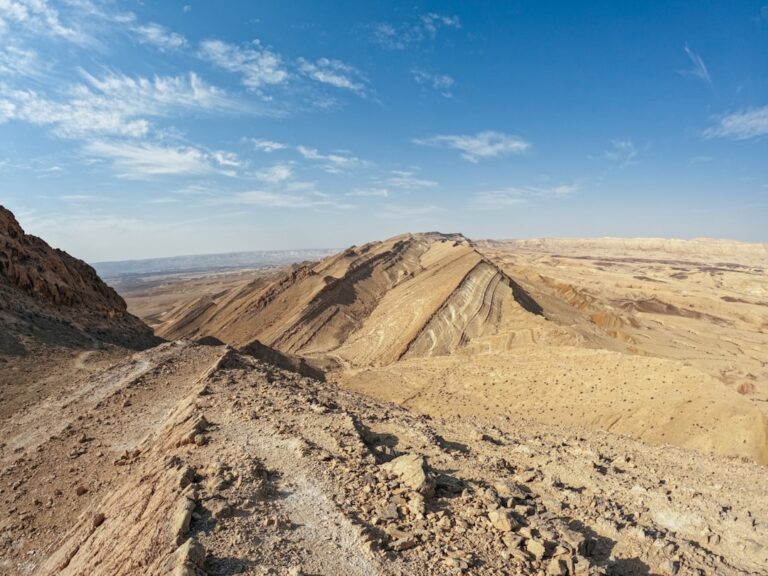
The landscape of Wadi Rum is nothing short of extraordinary, marked by its towering cliffs, narrow canyons, and expansive desert plains. The region is dominated by massive granite and sandstone mountains that rise dramatically from the desert floor, creating a striking contrast against the deep blue sky. One of the most famous formations is Jebel Rum, which stands at an impressive height of 1,734 meters and offers breathtaking panoramic views for those who dare to climb its rugged slopes.
The interplay of light and shadow on the rock faces throughout the day creates a mesmerizing spectacle, with colors shifting from warm reds and oranges at sunrise to cooler hues as the sun sets. In addition to its geological wonders, Wadi Rum is home to an array of unique rock formations that have been sculpted by wind and water over millennia. The Seven Pillars of Wisdom, named after T.E.
Lawrence’s book about his experiences in the region, is one such formation that draws visitors with its striking silhouette against the desert backdrop. The natural arches and narrow gorges found throughout Wadi Rum provide opportunities for exploration and adventure, inviting travelers to wander through this otherworldly landscape and discover its hidden treasures.
Exploring Wadi Rum’s Bedouin Culture
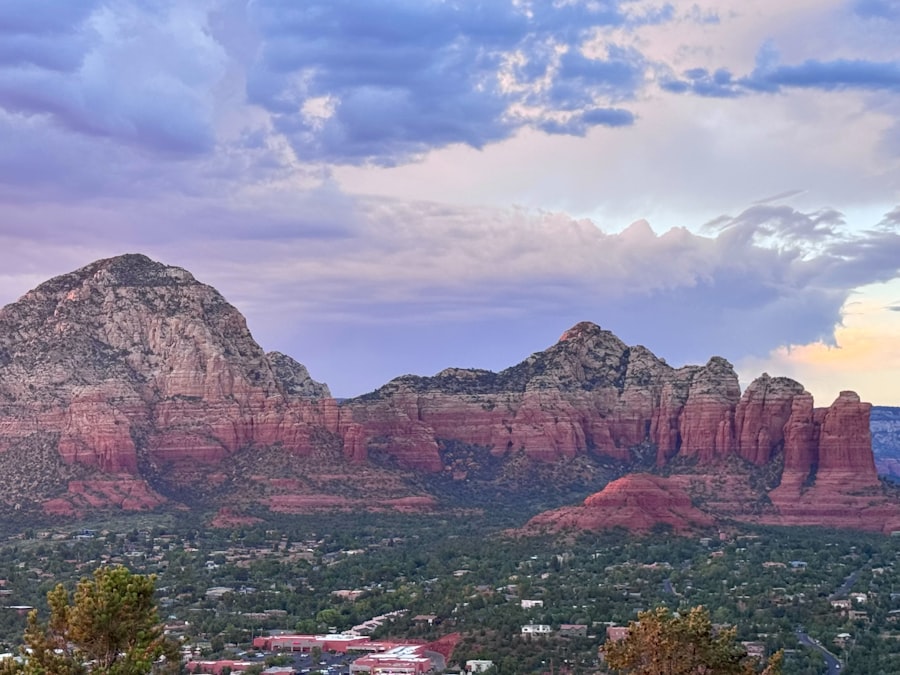
The Bedouin people have inhabited Wadi Rum for centuries, living in harmony with the harsh desert environment while maintaining their rich cultural traditions. Their nomadic lifestyle is deeply intertwined with the land, and they possess an intimate knowledge of the desert’s resources, which has allowed them to thrive in this arid region. Visitors to Wadi Rum have the unique opportunity to engage with Bedouin culture through various experiences that highlight their customs, hospitality, and way of life.
One of the most authentic ways to immerse oneself in Bedouin culture is through traditional meals prepared by local families. Guests are often invited to share a meal in a tent, where they can savor dishes such as mansaf (a traditional Jordanian dish made with lamb and rice) or zarb (a Bedouin-style barbecue cooked underground). These communal meals foster connections between visitors and locals, allowing for meaningful exchanges about life in the desert.
Additionally, many Bedouin guides offer storytelling sessions around a campfire, sharing tales of their ancestors, folklore, and the significance of various landmarks within Wadi Rum.
Activities and Adventures in Wadi Rum
Wadi Rum is a playground for adventure enthusiasts, offering a wide range of activities that cater to different interests and skill levels. One of the most popular ways to explore the desert is through jeep tours, which allow visitors to cover more ground while taking in the stunning scenery. These guided excursions often include stops at key landmarks such as the Khazali Canyon, known for its ancient petroglyphs, and the breathtaking Um Frouth Rock Bridge, where travelers can marvel at nature’s architectural wonders.
For those seeking a more exhilarating experience, rock climbing and bouldering are popular activities in Wadi Rum. The region boasts numerous climbing routes that cater to both beginners and experienced climbers, with options ranging from short bouldering problems to multi-pitch ascents on towering cliffs. The combination of challenging climbs and stunning views makes this an unforgettable experience for outdoor enthusiasts.
Additionally, hiking trails throughout Wadi Rum offer opportunities for exploration on foot, allowing visitors to connect with the landscape at a more personal level.
Wildlife and Nature in Wadi Rum
| Metric | Value | Details |
|---|---|---|
| Location | Wadi Rum, Jordan | Southern Jordan, near the border with Saudi Arabia |
| Area Covered | 720 km² | Protected desert wilderness area |
| Average Temperature | Day: 25-35°C, Night: 5-15°C | Varies seasonally, hot days and cool nights |
| Elevation | 900 – 1750 meters | Varied terrain including mountains and desert plains |
| Popular Activities | Hiking, Jeep tours, Camel rides, Rock climbing | Adventure and cultural experiences |
| Flora | Acacia trees, desert shrubs | Adapted to arid desert conditions |
| Fauna | Desert fox, reptiles, birds | Wildlife adapted to desert environment |
| Best Visiting Months | March to May, September to November | Mild weather and pleasant temperatures |
| UNESCO Status | Protected Site | Recognized for natural and cultural significance |
While Wadi Rum may appear desolate at first glance, it is home to a surprising diversity of wildlife that has adapted to thrive in this harsh environment. The region’s unique ecosystems support various species, including foxes, ibexes, and numerous bird species such as eagles and falcons. The presence of these animals adds another layer of intrigue to the desert landscape, as visitors may catch glimpses of them during their explorations.
The flora of Wadi Rum is equally fascinating, with resilient plants such as acacia trees and various types of shrubs dotting the landscape. These plants have evolved to withstand extreme temperatures and limited water availability, showcasing nature’s remarkable ability to adapt. The seasonal blooms that occur after rare rainfall transform parts of the desert into vibrant patches of color, attracting both wildlife and photographers eager to capture the fleeting beauty of this phenomenon.
Camping and Stargazing in Wadi Rum
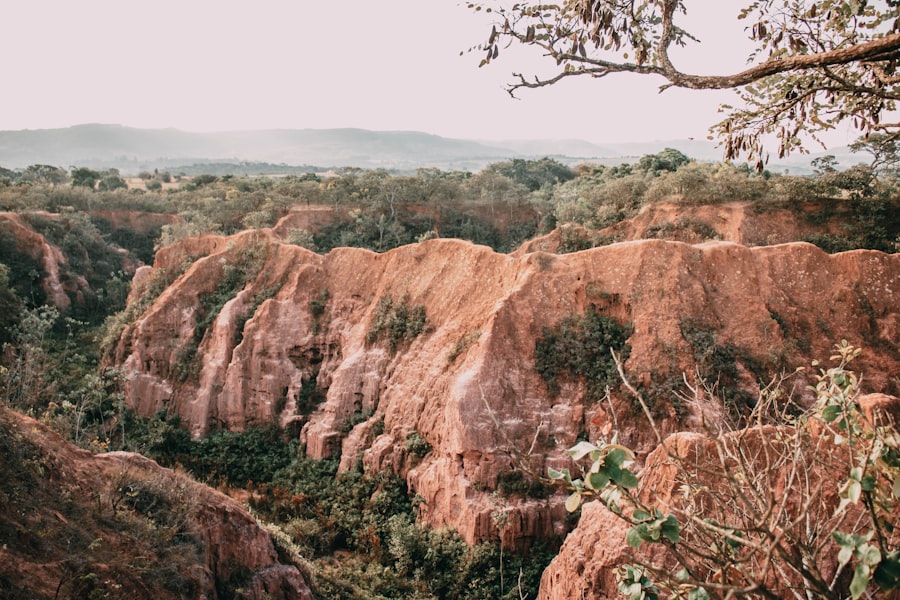
One of the most enchanting experiences in Wadi Rum is camping under the vast expanse of stars that blanket the night sky. The remote location and minimal light pollution make it an ideal spot for stargazing, allowing visitors to witness celestial wonders that are often obscured in urban areas. Many campsites offer traditional Bedouin-style tents equipped with comfortable bedding, providing an authentic yet cozy experience amidst the desert landscape.
As night falls, guests can gather around a campfire to share stories or simply enjoy the tranquility of the desert night. The clear skies offer breathtaking views of constellations, planets, and even meteor showers during certain times of the year. For those interested in astronomy, some camps provide telescopes or guided stargazing sessions led by knowledgeable guides who can share insights about the cosmos.
This connection between nature and culture creates a magical atmosphere that lingers long after the trip has ended.
The History and Archaeology of Wadi Rum
Wadi Rum is not only a natural wonder but also a site rich in archaeological significance. The area has been inhabited since prehistoric times, with evidence of human activity found in rock carvings and inscriptions that date back thousands of years. These petroglyphs depict scenes from daily life, including hunting and herding activities, providing valuable insights into the lives of ancient peoples who once roamed this land.
In addition to prehistoric artifacts, Wadi Rum is home to several archaeological sites that reflect its historical importance as a trade route and cultural crossroads. The Nabateans, an ancient Arab people known for their remarkable architectural achievements, left their mark on the region through structures such as temples and water cisterns. The remnants of these ancient civilizations can still be seen today, offering visitors a glimpse into a time when Wadi Rum was bustling with activity.
Tips for Visiting Wadi Rum
When planning a visit to Wadi Rum, there are several practical considerations to keep in mind to ensure an enjoyable experience. First and foremost, it is essential to choose the right time of year for your visit. The best months are typically from October to April when temperatures are milder and more conducive to outdoor activities.
Summer months can be extremely hot, making daytime exploration challenging. Travelers should also consider booking accommodations in advance, especially during peak tourist seasons. There are various options available ranging from luxury glamping experiences to traditional Bedouin camps.
Regardless of your choice, staying overnight allows you to fully immerse yourself in the beauty of Wadi Rum and experience its magical sunsets and starry nights. Additionally, it is advisable to hire a local guide who can enhance your experience by providing insights into both the natural environment and Bedouin culture. Guides can lead you to hidden gems within the landscape that you might otherwise miss while ensuring your safety during outdoor activities.
Lastly, remember to bring plenty of water, sunscreen, and appropriate clothing for both hot days and cooler nights—preparation is key to enjoying all that this remarkable desert has to offer.
FAQs
What is Wadi Rum?
Wadi Rum is a protected desert wilderness in southern Jordan known for its stunning sandstone mountains, red sand dunes, and ancient rock carvings. It is often referred to as the “Valley of the Moon” due to its otherworldly landscape.
Where is Wadi Rum located?
Wadi Rum is located in southern Jordan, approximately 60 kilometers east of the city of Aqaba and near the border with Saudi Arabia.
What activities can visitors do in Wadi Rum?
Visitors to Wadi Rum can enjoy activities such as jeep tours, camel rides, hiking, rock climbing, hot air ballooning, and stargazing. Many also experience overnight stays in traditional Bedouin camps.
What is the best time to visit Wadi Rum?
The best time to visit Wadi Rum is during the spring (March to May) and autumn (September to November) when temperatures are milder. Summers can be extremely hot, while winters can be cold at night.
Are there guided tours available in Wadi Rum?
Yes, there are many guided tours available, including jeep safaris, walking tours, and cultural experiences led by local Bedouin guides who share insights about the landscape and history.
Is Wadi Rum suitable for families?
Yes, Wadi Rum is suitable for families, especially those interested in outdoor adventures and cultural experiences. However, some activities may require a certain level of physical fitness.
What kind of wildlife can be found in Wadi Rum?
Wadi Rum is home to various desert wildlife, including reptiles, rodents, foxes, and birds such as the Sinai rosefinch. The ecosystem is adapted to the harsh desert environment.
Can visitors camp overnight in Wadi Rum?
Yes, visitors can camp overnight in Wadi Rum, often in Bedouin-style tents. Many camps offer comfortable accommodations with meals and traditional entertainment.
Is Wadi Rum a UNESCO World Heritage Site?
As of now, Wadi Rum is not officially designated as a UNESCO World Heritage Site, but it is recognized for its natural beauty and cultural significance.
How do I get to Wadi Rum?
Wadi Rum can be reached by car or bus from major Jordanian cities such as Amman and Aqaba. The nearest airport is in Aqaba, about an hour’s drive away. Many tours include transportation from these locations.