Wadi Rum, commonly known as the “Valley of the Moon,” is a desert region in southern Jordan covering approximately 720 square kilometers. Designated as a UNESCO World Heritage site, it features distinctive sandstone mountains, expansive plains, dramatic cliffs, and narrow canyons. The landscape has attracted visitors for centuries due to its geological formations and cultural significance.
The region’s historical importance is substantial. Archaeological evidence indicates human habitation dating back to prehistoric times, with rock carvings and inscriptions throughout the area documenting ancient civilizations. The Bedouin people currently inhabit Wadi Rum, maintaining their traditional nomadic lifestyle and cultural practices within the desert environment.
This combination of geological features and living cultural heritage distinguishes Wadi Rum as a destination of both natural and historical interest.
The Unique Geology of Wadi Rum
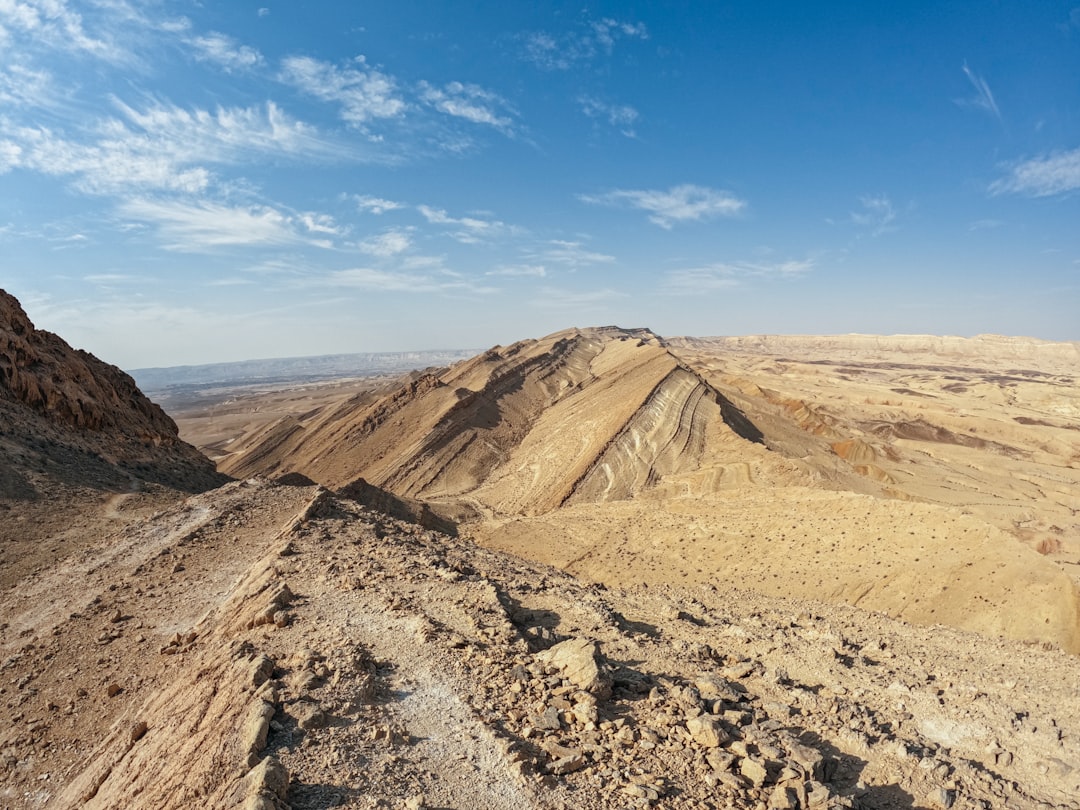
The geological formations of Wadi Rum are among its most striking features, showcasing a diverse array of rock types and structures that tell a story of millions of years of geological activity. The region is primarily composed of sandstone, which has been shaped by erosion and weathering processes over time. The towering cliffs and rock arches that dominate the landscape are a testament to the forces of nature that have sculpted this remarkable environment.
The most famous of these formations is Jebel Rum, the highest peak in the area, which rises to an elevation of 1,734 meters. One of the most fascinating aspects of Wadi Rum’s geology is its rich variety of colors and textures. The sandstone cliffs exhibit hues ranging from deep reds and oranges to soft pinks and yellows, creating a vibrant tapestry that changes with the shifting light throughout the day.
Additionally, the presence of granite and basalt formations adds further complexity to the landscape. These contrasting rock types not only enhance the visual appeal of Wadi Rum but also provide valuable insights into the geological history of the region, including tectonic activity and volcanic events that have shaped the Earth’s crust over eons.
Flora and Fauna of Wadi Rum
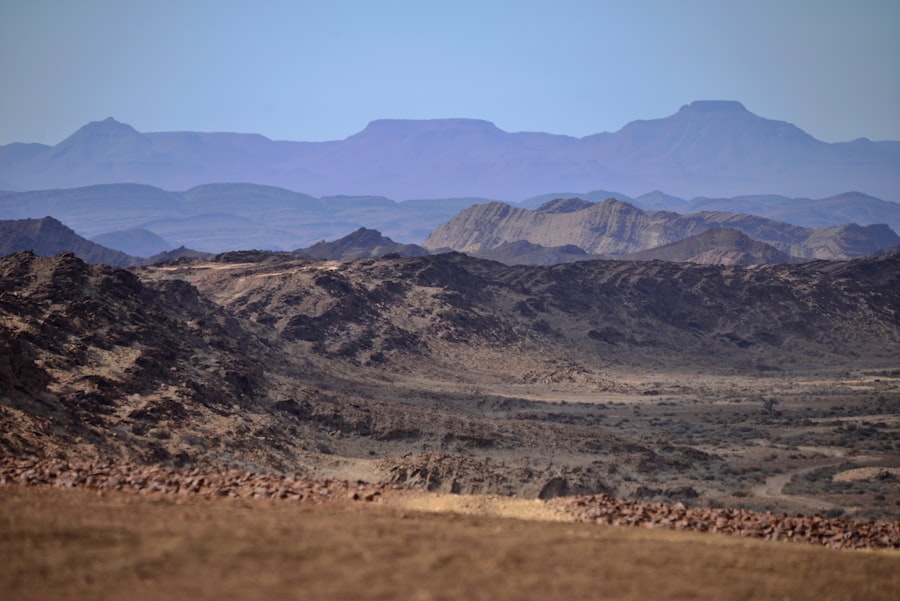
Despite its arid environment, Wadi Rum is home to a surprising diversity of flora and fauna that have adapted to survive in harsh desert conditions. The vegetation in the area is primarily composed of drought-resistant species, including various types of shrubs, grasses, and small trees. Among the most notable plants are the acacia trees, which provide shade and sustenance for both wildlife and humans alike.
These trees are often found in clusters near water sources, where they thrive in the otherwise dry landscape. The fauna of Wadi Rum is equally intriguing, with a range of species that have adapted to the desert ecosystem. Among the most iconic animals found in the region are the Arabian oryx and the Nubian ibex, both of which are well-adapted to life in arid environments.
The Arabian oryx, once considered extinct in the wild, has been successfully reintroduced to Wadi Rum as part of conservation efforts. Additionally, various species of birds, reptiles, and insects inhabit the area, contributing to its ecological diversity. The presence of these animals highlights the importance of preserving Wadi Rum’s unique environment for future generations.
Exploring the Desert Landscapes
Exploring the vast desert landscapes of Wadi Rum offers visitors a chance to immerse themselves in one of nature’s most awe-inspiring settings. The best way to experience this remarkable terrain is through guided tours led by knowledgeable Bedouin guides who possess an intimate understanding of the land. These tours can take various forms, including jeep safaris, camel treks, or even hiking excursions that allow travelers to traverse the rugged terrain at their own pace.
One popular route is the trek to Burdah Rock Bridge, a natural rock arch that offers stunning panoramic views of the surrounding landscape. The hike to this iconic formation takes adventurers through narrow canyons and over rocky outcrops, providing opportunities to witness the intricate details of Wadi Rum’s geology up close. For those seeking a more leisurely experience, a camel ride through the desert can be a memorable way to take in the scenery while embracing traditional Bedouin culture.
As visitors traverse this enchanting landscape, they are often struck by the sense of tranquility that permeates the air, making it an ideal setting for reflection and connection with nature.
Cultural and Historical Significance of Wadi Rum
| Metric | Details |
|---|---|
| Location | Wadi Rum, Southern Jordan |
| Area Covered | Approximately 720 square kilometers |
| Average Temperature | Day: 25-40°C (77-104°F), Night: 5-15°C (41-59°F) |
| Best Visiting Months | March to May and September to November |
| Popular Activities | Jeep tours, camel rides, rock climbing, hiking, stargazing |
| Flora | Acacia trees, desert shrubs, wild herbs |
| Fauna | Desert foxes, hyrax, various reptiles, migratory birds |
| UNESCO Status | Protected natural reserve and cultural heritage site |
| Accessibility | Accessible via 1-hour drive from Aqaba or 4-hour drive from Amman |
Wadi Rum holds profound cultural and historical significance that extends far beyond its natural beauty. The region has been inhabited by various civilizations throughout history, including ancient Nabateans who left behind intricate rock carvings and inscriptions that provide insight into their way of life. These petroglyphs depict scenes of daily activities, hunting, and religious rituals, serving as a testament to the rich cultural heritage that has flourished in this arid landscape.
The Bedouin people have been integral to Wadi Rum’s identity for centuries. Their nomadic lifestyle is deeply intertwined with the land, as they have relied on its resources for sustenance and shelter. Today, many Bedouins continue to live in harmony with their environment while sharing their traditions with visitors.
Cultural experiences such as traditional music performances, storytelling sessions around a campfire, and cooking demonstrations offer travelers a glimpse into Bedouin life. This cultural exchange not only enriches visitors’ understanding of the region but also fosters respect for the Bedouin way of life.
Adventure Activities in Wadi Rum
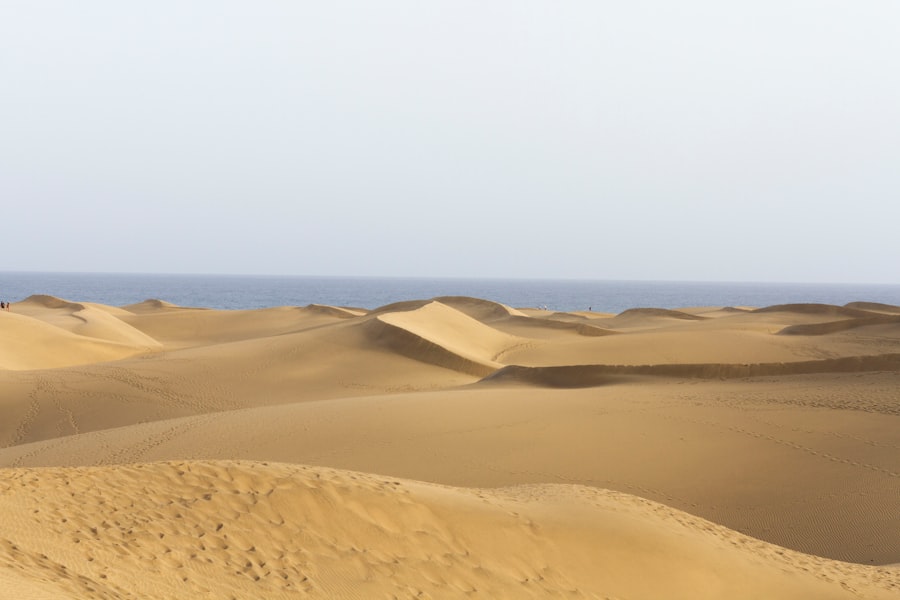
For adventure enthusiasts, Wadi Rum presents a plethora of exhilarating activities that cater to various interests and skill levels. Rock climbing is one of the most popular pursuits in the area, with numerous routes available for climbers ranging from beginners to experts. The sheer cliffs and unique rock formations provide an ideal playground for those seeking an adrenaline rush while enjoying breathtaking views from above.
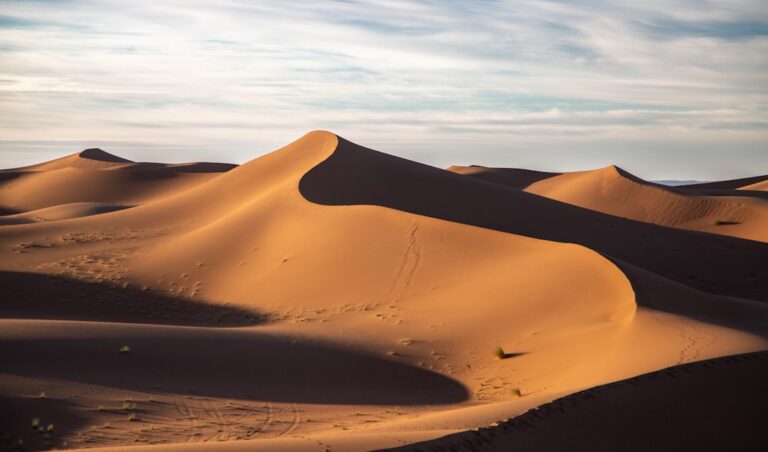
In addition to rock climbing, Wadi Rum offers opportunities for sandboarding on its vast dunes—a thrilling experience that combines speed with stunning scenery. Visitors can also engage in stargazing at night when the desert sky transforms into a dazzling display of stars. The lack of light pollution in this remote area allows for unparalleled views of constellations and celestial events.
For those looking for a more relaxed adventure, hot air balloon rides provide a serene way to take in the sweeping vistas while floating gently above the desert landscape.
Capturing the Beauty of Wadi Rum through Photography
Wadi Rum’s dramatic landscapes make it a photographer’s paradise, attracting both amateur and professional photographers alike. The interplay of light and shadow across the sandstone cliffs creates dynamic compositions that change throughout the day as the sun rises and sets. Early morning light casts a warm glow over the landscape, while sunset transforms it into a canvas painted with vibrant hues.
Photographers often seek out iconic locations such as Lawrence’s Spring or Khazali Canyon to capture stunning images that showcase Wadi Rum’s unique features. The area’s rock formations provide endless opportunities for creative framing and perspective shifts, allowing photographers to experiment with different angles and compositions. Additionally, capturing local Bedouin culture adds depth to photographic narratives—images of traditional tents, camel caravans, and local artisans can tell powerful stories about life in this extraordinary desert environment.
Preserving the Natural Beauty of Wadi Rum
As tourism continues to grow in Wadi Rum, preserving its natural beauty becomes increasingly important. Efforts are underway to balance visitor access with environmental conservation to ensure that future generations can experience this remarkable landscape. Local authorities have implemented regulations aimed at minimizing human impact on fragile ecosystems while promoting sustainable tourism practices.
Education plays a crucial role in these preservation efforts; visitors are encouraged to respect local customs and adhere to guidelines designed to protect both cultural heritage and natural resources. Initiatives such as waste management programs and eco-friendly accommodations help mitigate environmental footprints while fostering awareness about conservation issues among travelers. By prioritizing sustainability and responsible tourism practices, Wadi Rum can maintain its status as a breathtaking destination while safeguarding its unique ecological and cultural treasures for years to come.
FAQs
What is Wadi Rum?
Wadi Rum is a protected desert wilderness in southern Jordan known for its stunning sandstone mountains, red sand dunes, and unique rock formations. It is often called the “Valley of the Moon” due to its otherworldly landscape.
Where is Wadi Rum located?
Wadi Rum is located in southern Jordan, approximately 60 kilometers east of the city of Aqaba and about 100 kilometers south of Petra.
What activities can visitors do in Wadi Rum?
Visitors to Wadi Rum can enjoy activities such as jeep tours, camel rides, hiking, rock climbing, hot air balloon rides, and stargazing. Many also experience overnight stays in Bedouin-style camps.
What is the best time to visit Wadi Rum?
The best time to visit Wadi Rum is during the spring (March to May) and autumn (September to November) when temperatures are milder. Summers can be extremely hot, while winters can be cold at night.
Is Wadi Rum accessible for tourists?
Yes, Wadi Rum is accessible to tourists. It can be reached by car or organized tours from major cities in Jordan such as Amman, Aqaba, and Petra. There are visitor centers and licensed guides available.
Are there any cultural experiences in Wadi Rum?
Yes, visitors can experience Bedouin culture through guided tours, traditional meals, music, and staying in Bedouin camps. The local Bedouin people have lived in the area for centuries and share their heritage with visitors.
Is Wadi Rum a UNESCO World Heritage Site?
Yes, Wadi Rum was designated a UNESCO World Heritage Site in 2011 for its natural beauty and cultural significance.
What kind of wildlife can be found in Wadi Rum?
Wadi Rum is home to various desert-adapted wildlife including ibex, foxes, lizards, and numerous bird species. The harsh environment supports a unique ecosystem.
Can visitors camp overnight in Wadi Rum?
Yes, many visitors choose to camp overnight in Wadi Rum, often in traditional Bedouin-style tents. This allows for an immersive desert experience and excellent opportunities for stargazing.
Are there any safety considerations when exploring Wadi Rum?
Visitors should be prepared for extreme temperatures, bring sufficient water, and consider hiring a local guide for navigation and safety. Mobile phone coverage may be limited in remote areas.