Creating a productive home study space is essential for anyone engaged in learning, whether they are students, professionals pursuing further education, or individuals working on personal projects. A well-designed study area can significantly enhance focus, motivation, and overall productivity. The environment in which one studies plays a crucial role in shaping the quality of work produced.
A cluttered or distracting space can lead to decreased concentration and increased stress, while a well-organized and thoughtfully designed area can foster creativity and efficiency. Moreover, the psychological impact of a dedicated study space cannot be overstated. When individuals have a specific area designated for studying, it helps to create a mental association between that space and the act of learning.
This association can lead to improved focus and a more profound commitment to tasks at hand. In essence, a productive home study space serves as a sanctuary for intellectual growth, allowing individuals to immerse themselves in their work without the distractions that often accompany shared or multipurpose areas.
Choosing the Right Location for Your Study Space
Selecting the right location for your study space is a foundational step in creating an environment conducive to learning. Ideally, this space should be quiet and free from interruptions, allowing for deep concentration. Many people find that a spare room or a corner of their bedroom works well, but it’s essential to consider factors such as natural light, noise levels, and proximity to distractions.
For instance, a room with large windows can provide ample natural light, which has been shown to improve mood and energy levels, making it easier to stay focused for extended periods. Additionally, the location should be easily accessible yet separate enough from high-traffic areas of the home. If possible, choose a spot that allows you to close the door, signaling to others that you are in a focused work mode.
If a dedicated room is not an option, consider using dividers or curtains to create a sense of separation within a larger space. This physical boundary can help signal to your brain that it’s time to concentrate, even if you are in a shared area of the home.
Designing an Ergonomic and Comfortable Study Area
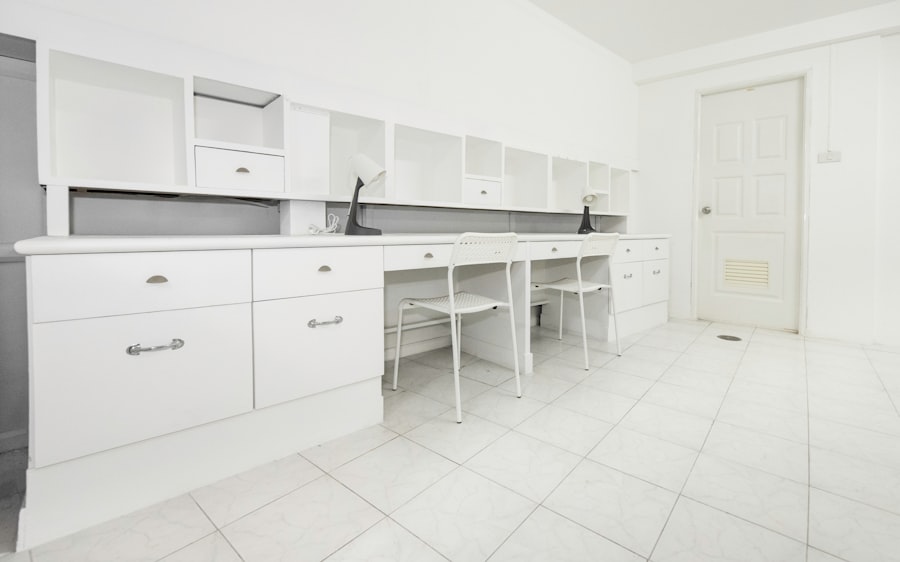
Once you have chosen the right location for your study space, the next step is to design it ergonomically. An ergonomic setup is crucial for maintaining comfort during long study sessions and preventing physical strain. Start with selecting an appropriate desk and chair.
The desk should be at a height that allows your elbows to rest comfortably at a 90-degree angle while typing or writing. Similarly, the chair should provide adequate lumbar support to maintain proper posture and reduce the risk of back pain. In addition to furniture selection, consider the arrangement of your study materials.
Keep frequently used items within arm’s reach to minimize unnecessary movements that can disrupt your focus. A monitor should be positioned at eye level to prevent neck strain, while your keyboard and mouse should be placed so that your wrists remain straight while typing. Incorporating elements such as footrests or standing desks can also enhance comfort and promote better circulation during extended periods of study.
Organizing and Decluttering Your Study Space
An organized study space is vital for maintaining productivity and focus. Clutter can be visually distracting and mentally overwhelming, making it difficult to concentrate on tasks. Begin by assessing your current setup and identifying items that are essential for your studies versus those that are merely taking up space.
Implementing a system for organizing materials—such as using shelves, bins, or filing cabinets—can help keep your study area tidy and efficient. Regular decluttering is also essential for sustaining an organized environment. Set aside time each week to review your study space and remove any unnecessary items that have accumulated.
This practice not only keeps your area clean but also allows you to reassess what tools and resources you genuinely need for your studies. By maintaining an organized space, you create an atmosphere that encourages focus and minimizes distractions, ultimately enhancing your overall productivity.
Utilizing Technology and Tools for Productivity
| Metric | Recommended Value/Range | Notes |
|---|---|---|
| Desk Size | 48-60 inches wide, 24-30 inches deep | Provides ample space for computer, books, and writing materials |
| Chair Ergonomics | Adjustable height, lumbar support, cushioned seat | Supports posture and reduces fatigue during long study sessions |
| Lighting Level | 400-600 lux | Bright enough to reduce eye strain without glare |
| Noise Level | Below 40 dB | Quiet environment to enhance concentration |
| Storage Space | At least 2-3 drawers or shelves | Helps keep study materials organized and clutter-free |
| Temperature | 68-72°F (20-22°C) | Comfortable room temperature to maintain focus |
| Color Scheme | Soft neutrals or cool tones | Colors that promote calmness and reduce distractions |
| Technology Setup | Reliable Wi-Fi, power outlets within 3 feet | Ensures uninterrupted access to digital resources |
In today’s digital age, leveraging technology can significantly enhance productivity in your home study space. Various tools and applications are designed specifically to help individuals manage their time effectively, stay organized, and streamline their workflow. For instance, project management software like Trello or Asana can help you break down larger tasks into manageable steps while keeping track of deadlines and progress.
Additionally, consider using digital note-taking applications such as Evernote or Notion, which allow you to organize notes efficiently and access them from multiple devices. These tools often come with features like tagging and search functions that make retrieving information quick and easy. Furthermore, utilizing productivity techniques such as the Pomodoro Technique—where you work in focused bursts followed by short breaks—can be facilitated by timer apps designed for this purpose.
By integrating technology into your study routine, you can create a more efficient workflow that maximizes your time and effort.
Incorporating Personalized Motivational Elements
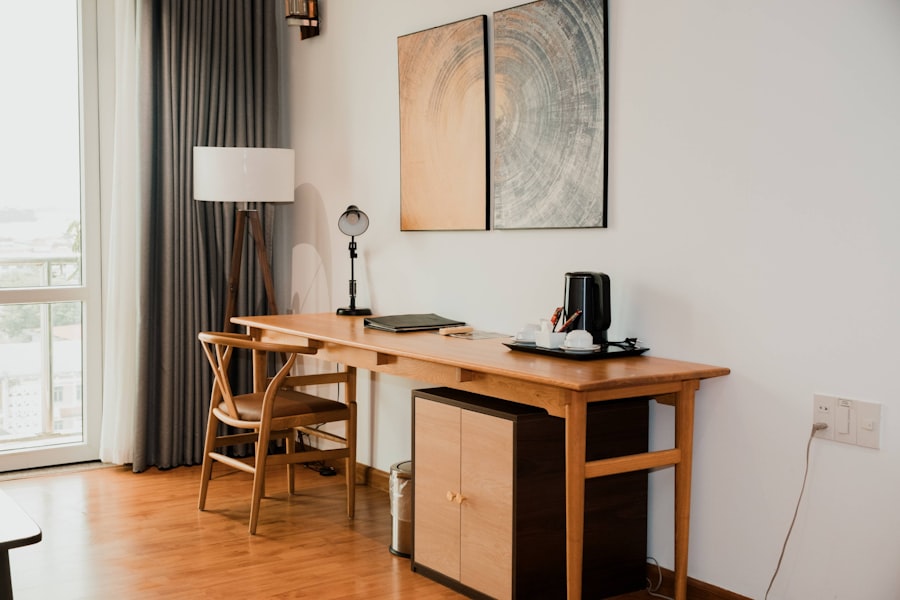
Personalization is key when it comes to creating an inspiring study environment. Incorporating motivational elements that resonate with you can enhance your focus and drive. This could include displaying quotes from influential figures or images that inspire you on the walls of your study space.
Visual reminders of your goals can serve as powerful motivators during challenging study sessions. Additionally, consider adding personal touches such as plants or artwork that reflect your personality and interests. Studies have shown that incorporating greenery into workspaces can improve mood and reduce stress levels, making it easier to concentrate on tasks.
Creating a space that feels uniquely yours not only enhances comfort but also fosters a sense of belonging and purpose within your study area.
Establishing a Routine and Setting Boundaries
Establishing a consistent routine is crucial for maintaining productivity in your home study space. A well-defined schedule helps signal to your brain when it’s time to focus on work versus when it’s time to relax or engage in other activities. Consider setting specific hours dedicated solely to studying each day, allowing you to develop a habit that reinforces discipline and commitment.
Setting boundaries is equally important in ensuring that your study time remains uninterrupted. Communicate with family members or housemates about your study schedule so they understand when you need quiet time. Additionally, consider using tools like “Do Not Disturb” signs or noise-canceling headphones to minimize distractions during focused work periods.
By establishing clear boundaries around your study time, you create an environment where you can fully immerse yourself in learning without external interruptions.
Tips for Maintaining a Productive Home Study Space
Maintaining a productive home study space requires ongoing effort and attention to detail. Regularly reassess your setup to ensure it continues to meet your needs as they evolve over time. This might involve rearranging furniture for better flow or updating technology as new tools become available.
Staying adaptable is key; what works well today may need adjustments in the future. Additionally, prioritize self-care as part of your study routine. Taking regular breaks to stretch, hydrate, or engage in brief physical activity can help refresh your mind and body, ultimately enhancing productivity when you return to your studies.
Consider implementing rituals that signal the start and end of study sessions—such as brewing a cup of tea or lighting a candle—to create a sense of transition between focused work and relaxation. By consistently nurturing both your physical environment and mental well-being, you can sustain an effective home study space that supports your academic or professional pursuits over the long term.
FAQs
What are the key elements of a home study space that supports focus?
A home study space that supports focus typically includes a comfortable chair and desk, good lighting (preferably natural light), minimal distractions, organized storage for supplies, and a quiet environment. Ergonomic furniture and proper ventilation also contribute to better concentration.
How can I minimize distractions in my home study area?
To minimize distractions, choose a quiet location away from high-traffic areas, use noise-cancelling headphones if needed, keep the space tidy, and limit access to electronic devices that are not related to studying. Setting clear boundaries with family members during study times can also help.
What type of lighting is best for a study space?
Natural light is ideal for a study space as it reduces eye strain and improves mood. If natural light is insufficient, use bright, adjustable LED lighting that mimics daylight. Avoid harsh fluorescent lights and glare on screens or work surfaces.
How important is ergonomics in a home study space?
Ergonomics is very important to prevent discomfort and physical strain during long study sessions. A chair with proper lumbar support, a desk at the right height, and a monitor positioned at eye level can help maintain good posture and reduce fatigue.
Can plants or decorations improve focus in a study space?
Yes, adding plants or minimal decorations can improve air quality and create a calming atmosphere, which may enhance focus and reduce stress. However, it’s important to keep decorations simple to avoid clutter and distractions.
How can I organize my study materials effectively?
Use shelves, drawers, or organizers to keep books, stationery, and electronic devices neatly arranged. Labeling storage containers and regularly decluttering the space can help maintain organization and make it easier to find materials when needed.
Is it beneficial to have a dedicated study space at home?
Yes, having a dedicated study space helps create a mental association with work and focus, making it easier to concentrate. It also helps separate study time from leisure time, improving productivity and work-life balance.
What role does technology play in a home study space?
Technology such as computers, tablets, and reliable internet access is essential for research and online learning. However, it’s important to manage technology use to avoid distractions by using apps or settings that limit notifications and block distracting websites during study sessions.
How can I maintain focus during long study periods at home?
Taking regular breaks using techniques like the Pomodoro method, staying hydrated, and maintaining a comfortable temperature can help sustain focus. Additionally, setting specific goals and using timers can improve time management and concentration.
What should I avoid when setting up a home study space?
Avoid placing the study area in noisy or high-traffic locations, using uncomfortable furniture, having poor lighting, and allowing clutter to accumulate. Also, avoid mixing leisure activities in the same space to prevent distractions.