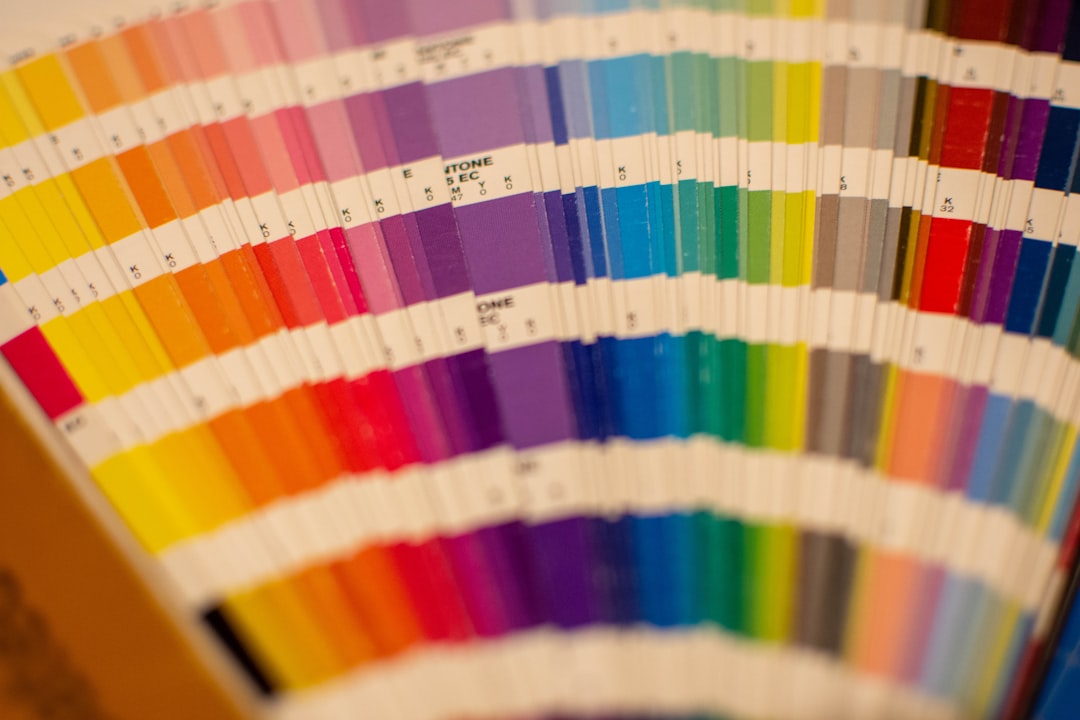
Color coding is an organizational method that uses the psychological impact of color to improve clarity and efficiency across different contexts. The primary advantage of color coding is its capacity to make complex information more manageable. When specific colors are assigned to different categories or tasks, people can quickly recognize and distinguish between them.
This visual system reduces mental effort, enabling faster choices and better concentration. For example, students frequently use color-coded notes to separate subjects, making it simpler to find relevant material while studying. Color coding also improves productivity significantly.
In work environments, assigning different colors to various projects or tasks helps establish priorities and optimize workflows. A project manager might designate red for urgent tasks, yellow for active projects, and green for finished work. This visual organization system improves task management and provides a sense of progress as work moves through the color-coded stages.
Furthermore, an organized color-coded space that is visually appealing can improve mood and create a more pleasant setting, whether in a home or workplace.
How to Implement Color Coding in Your Home
Implementing a color coding system in your home begins with identifying the areas that require organization. Start by assessing your living space and determining which items or tasks could benefit from a more structured approach. For example, you might find that your home office is cluttered with documents, while your kitchen could use a more efficient way to manage utensils and ingredients.
Once you have pinpointed these areas, choose a color palette that resonates with you and aligns with the purpose of each category. After selecting your colors, the next step is to assign them to specific items or tasks. In a home office, you could use blue folders for financial documents, green for project files, and yellow for personal correspondence.
In the kitchen, consider using colored labels on containers: red for spices, blue for grains, and green for snacks. It’s essential to ensure that the colors you choose are distinct enough to avoid confusion. Once everything is organized according to your color scheme, take time to familiarize yourself with the system.
This initial investment in time will pay off as you find it easier to locate items and maintain order in your home.
Color Coding for Different Rooms
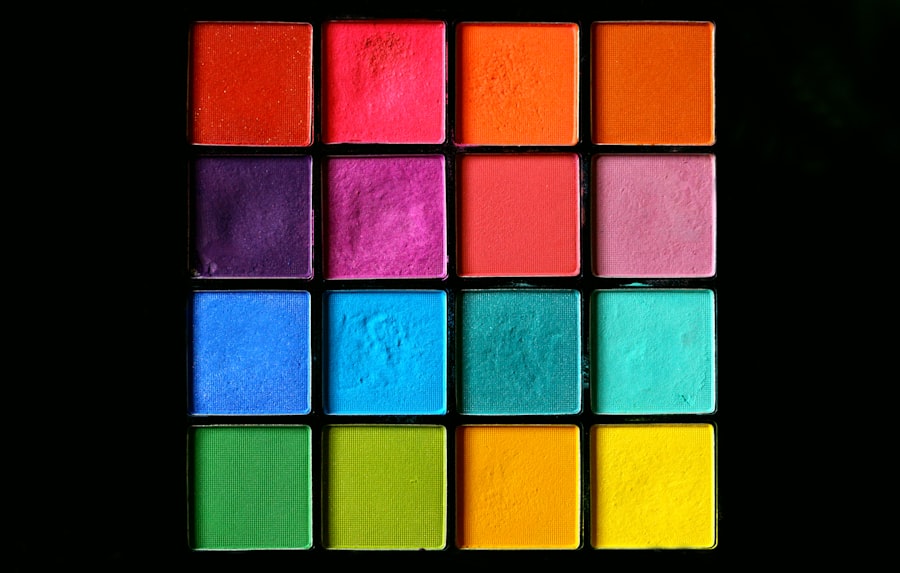
Each room in your home presents unique opportunities for color coding, tailored to its specific functions and needs. In the living room, for instance, you might use color coding to organize books on shelves. Assign different colors to genres—red for fiction, blue for non-fiction, and green for reference materials.
This not only makes it easier to find a book but also adds a visually appealing element to your decor. Additionally, you can apply color coding to decorative items such as cushions or throws, creating a cohesive look that enhances the overall ambiance of the space. In bedrooms, color coding can be particularly effective in managing clothing and accessories.
Consider using colored bins or hangers: blue for casual wear, red for formal attire, and green for seasonal clothing. This method not only streamlines your morning routine but also helps maintain a tidy environment. Children’s rooms can benefit from color coding as well; using different colors for toys or school supplies can teach kids about organization while making cleanup more engaging.
By tailoring your color coding system to each room’s specific needs, you create an organized home that reflects your personal style.
Using Color Coding for Storage Solutions
Storage solutions are often a source of frustration in many households, but color coding can transform this challenge into an opportunity for organization and efficiency. When it comes to storage bins or boxes, assigning colors based on contents can make retrieval straightforward and intuitive. For example, in a garage or basement, you might use red bins for tools, blue bins for seasonal decorations, and green bins for sports equipment.
This method not only helps you find what you need quickly but also encourages family members to return items to their designated spots. In addition to bins, consider using colored labels on shelves or drawers within cabinets. For instance, in a craft room, you could label drawers with different colors corresponding to various supplies—yellow for paper products, purple for paints, and orange for fabric.
This visual cue allows you to locate materials at a glance and keeps your workspace organized. Furthermore, when guests or family members need to access storage areas, they can easily identify where items belong based on the color-coded system you’ve established.
Tips for Maintaining a Color Coded System
| Category | Color Code | Purpose | Effectiveness (%) | Example Items |
|---|---|---|---|---|
| Kitchen | Red | Identify food storage and cooking utensils | 85 | Containers, spice jars, cutting boards |
| Office | Blue | Organize documents and stationery | 78 | Folders, notebooks, pen holders |
| Closet | Green | Sort clothing by season or type | 82 | Hangers, storage bins, labels |
| Kids’ Room | Yellow | Separate toys and school supplies | 75 | Boxes, shelves, bins |
| Garage | Orange | Mark tools and hardware | 80 | Toolboxes, pegboards, labels |
| Cleaning Supplies | Purple | Identify cleaning products and equipment | 77 | Buckets, spray bottles, cloths |
Establishing a color coded system is just the beginning; maintaining it requires consistent effort and mindfulness. One effective strategy is to conduct regular reviews of your organization system. Set aside time each month or season to assess whether your color coding still meets your needs or if adjustments are necessary.
As life changes—such as new hobbies or family members joining the household—your organizational needs may evolve as well. By staying proactive about these changes, you can ensure that your system remains functional and relevant. Another crucial aspect of maintaining a color coded system is communication among household members.
If multiple people share the same space, it’s essential to establish clear guidelines about how the system works. Consider creating a simple reference chart that outlines what each color represents and where items should be returned after use. This not only fosters accountability but also encourages everyone to participate in keeping the space organized.
By prioritizing regular maintenance and open communication, you can sustain an effective color coded system that enhances your daily life.
Creative Ways to Use Color Coding
Beyond traditional organizational methods, there are numerous creative applications of color coding that can add flair and functionality to your life. One innovative approach is using color coding in art projects or home decor. For instance, when creating a gallery wall, you might choose frames in different colors that correspond with the artwork inside them—this not only creates visual interest but also allows you to curate pieces based on mood or theme.
In addition to art projects, consider incorporating color coding into your gardening efforts. Assign different colors to plant markers based on categories such as herbs (green), flowers (yellow), and vegetables (red). This not only beautifies your garden but also helps you keep track of what you’ve planted and where it’s located.
Furthermore, using colored pots can enhance the aesthetic appeal of your outdoor space while providing an easy way to identify plant types at a glance.
Color Coding for Time Management
Time management is another area where color coding can prove invaluable. By assigning colors to different tasks or appointments on your calendar, you can create a visual representation of your schedule that makes it easier to prioritize activities. For example, use red for urgent deadlines, blue for meetings, and green for personal time or self-care activities.
This method allows you to quickly assess how your time is allocated and identify areas where adjustments may be needed. Digital calendars offer even more flexibility with color coding options. Many applications allow users to customize event colors based on categories such as work commitments, family obligations, or social events.
By utilizing these features effectively, you can create a balanced schedule that reflects your priorities while minimizing overwhelm. Additionally, this visual approach can serve as motivation; seeing blocks of time dedicated to personal interests or relaxation can encourage you to maintain a healthy work-life balance.
Color Coding for Meal Planning and Grocery Shopping
Meal planning and grocery shopping can often feel overwhelming; however, implementing a color coding system can simplify these tasks significantly. Start by assigning colors to different food groups when planning meals—green for vegetables, red for proteins, yellow for grains, and blue for dairy products. This method not only helps ensure balanced meals but also makes it easier to visualize what ingredients are needed at a glance.
When it comes time to shop for groceries, consider using colored lists or labels on reusable bags corresponding with your meal plan categories. For instance, if you’re shopping for a week’s worth of meals that includes salads (green), pasta dishes (yellow), and protein-rich options (red), having these colors on your shopping list can streamline the process and reduce impulse purchases. Additionally, organizing your pantry with colored bins or labels based on food groups can further enhance efficiency during meal prep by making it easy to locate ingredients quickly.
By integrating color coding into various aspects of daily life—from organization at home to time management and meal planning—you can create a more structured environment that promotes efficiency and clarity. The versatility of this approach allows individuals to tailor their systems according to personal preferences and needs while reaping the benefits of enhanced productivity and reduced stress.
FAQs
What is color coding in home organization?
Color coding in home organization is a method of using different colors to categorize and identify items or areas within your home. This technique helps to visually distinguish between various groups, making it easier to locate, store, and manage belongings efficiently.
How can color coding improve home organization?
Color coding improves home organization by providing a clear visual system that simplifies sorting and retrieval of items. It reduces clutter, saves time when searching for things, and helps maintain order by assigning specific colors to particular categories or functions.
What are some common ways to implement color coding at home?
Common ways to implement color coding include using colored labels, bins, folders, or tags for different categories such as toys, documents, kitchen supplies, or clothing. You can also paint shelves or use colored tape to designate areas for specific items.
Is color coding suitable for all types of homes?
Yes, color coding is a flexible organizational strategy that can be adapted to any home regardless of size or style. It can be customized to fit personal preferences and the specific needs of each household.
What materials are needed for color coding home organization?
Materials typically include colored labels, markers, storage containers, tapes, stickers, and sometimes colored paper or fabric. The choice of materials depends on the items being organized and the desired level of permanence.
Can color coding help with organizing specific rooms?
Absolutely. Color coding can be tailored to organize specific rooms such as the kitchen (e.g., different colors for spices, utensils, and cleaning supplies), the office (e.g., color-coded files), or children’s rooms (e.g., toys and books sorted by color).
How do I choose the right colors for my color coding system?
Choose colors that are easily distinguishable from one another and meaningful to you. Consider using bright, contrasting colors for clarity and consistency. It’s helpful to create a color key or legend to remember what each color represents.
Is color coding effective for families with children?
Yes, color coding is especially effective for families with children as it simplifies organization and helps children learn to sort and put away their belongings independently by associating colors with specific categories.
How often should I update or maintain my color coding system?
Regular maintenance is recommended, such as reviewing and updating the system every few months or when your organizational needs change. This ensures the system remains effective and clutter-free.
Are there any digital tools that can assist with color coding home organization?
Yes, several digital tools and apps allow you to create color-coded lists, inventories, and reminders to complement your physical color coding system, enhancing overall organization and management.