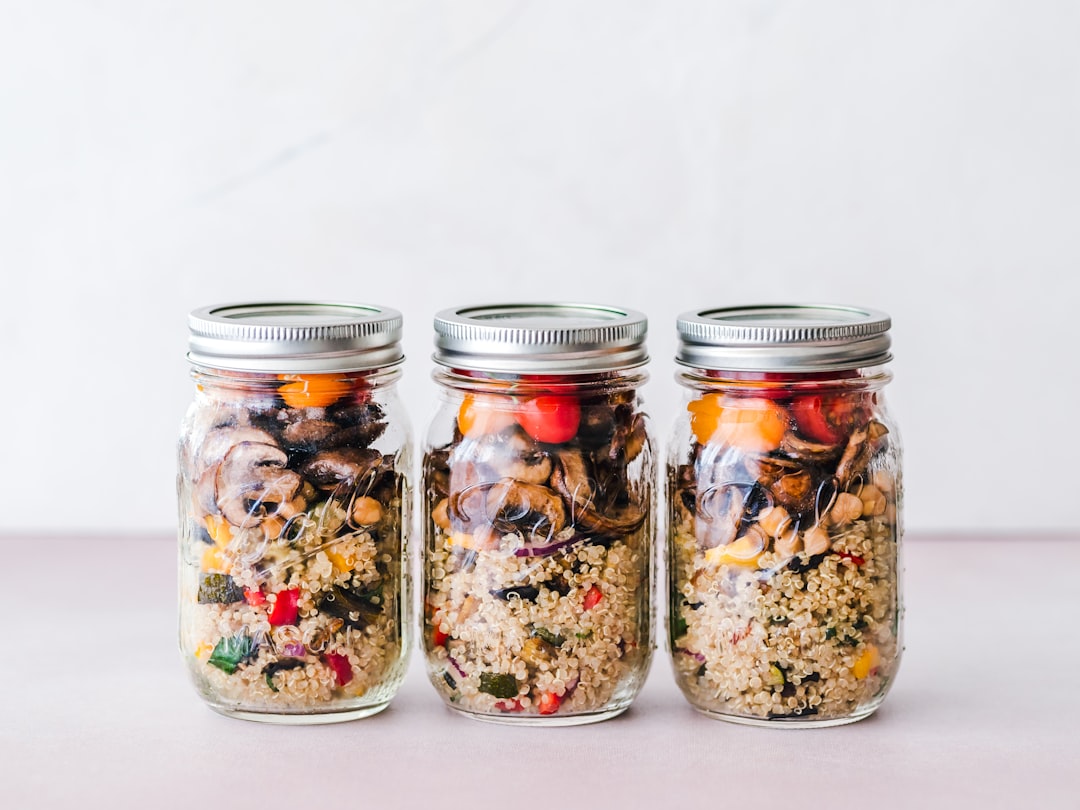
Meal preparation is an important practice for families of four, as it makes cooking more efficient and supports healthier eating habits. When time is limited, meal prep enables families to plan meals ahead of time, ensuring nutritious food is available when needed. This approach saves time during busy weekdays and reduces reliance on fast food or takeout.
By spending a few hours each week on meal preparation, families can establish a consistent eating schedule that supports their nutritional objectives and daily routines. Additionally, meal prep provides opportunities for family bonding and kitchen collaboration. When all family members participate in meal planning and preparation, it builds responsibility and teamwork skills.
Children develop cooking abilities and learn about nutrition, while parents can establish healthy eating patterns that benefit long-term health. This shared activity strengthens family relationships and creates opportunities for meaningful conversations during meals, allowing family members to discuss their day in a home-cooked setting.
Planning and Organization
Effective meal prep begins with meticulous planning and organization. Families should start by assessing their weekly schedules to identify the best times for cooking and eating together. Creating a meal plan that outlines breakfast, lunch, dinner, and snacks for the week can help streamline grocery shopping and ensure that all necessary ingredients are on hand.
Utilizing a calendar or meal planning app can be beneficial in visualizing the week ahead and making adjustments as needed. Once the meal plan is established, organizing the kitchen becomes crucial. Designating specific areas for meal prep can enhance efficiency; for instance, keeping cutting boards, knives, and storage containers in easily accessible locations can save time during cooking sessions.
Additionally, families should consider batch cooking staple items such as grains, proteins, and vegetables that can be used in multiple meals throughout the week. This not only simplifies the cooking process but also minimizes food waste by ensuring that ingredients are utilized before they spoil.
Choosing the Right Recipes
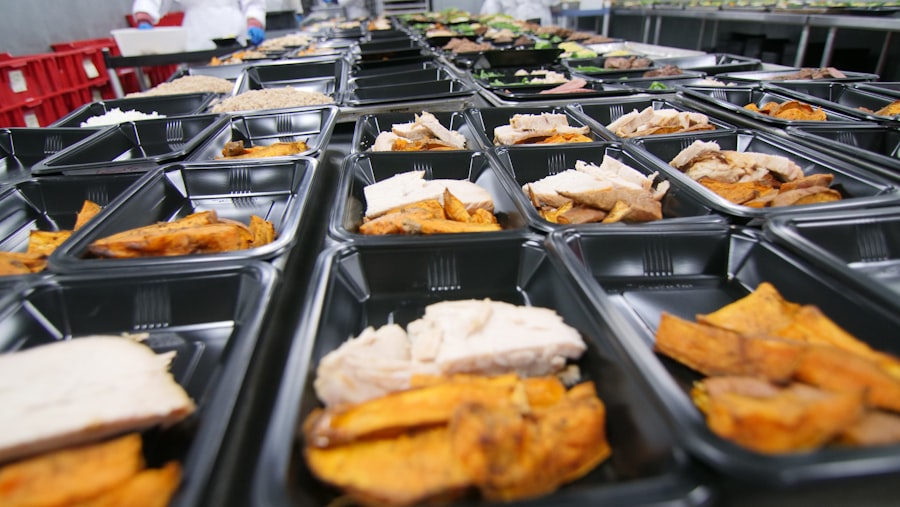
Selecting appropriate recipes is a pivotal aspect of successful meal prep for a family of four. It is essential to choose dishes that are not only nutritious but also appealing to all family members. A diverse range of recipes can help cater to different tastes and preferences, ensuring that everyone looks forward to mealtime.
Incorporating a mix of proteins, whole grains, and seasonal vegetables can create balanced meals that provide essential nutrients. When choosing recipes, families should consider the cooking methods involved. One-pot meals, sheet pan dinners, and slow cooker recipes are excellent options for meal prep as they often require minimal hands-on time and result in fewer dishes to clean afterward.
For example, a slow-cooked chili can be prepared in advance and enjoyed over several days, while a sheet pan dinner featuring roasted chicken and vegetables can be assembled quickly and cooked in one go. Additionally, families should explore recipes that allow for customization, enabling each member to personalize their plate according to their preferences.
Time-Saving Tips
Time management is key when it comes to meal prep for a family of four. One effective strategy is to dedicate specific days for grocery shopping and meal preparation. For instance, many families find that Sundays work well for both tasks, allowing them to start the week with a fully stocked kitchen and prepped meals.
By consolidating grocery shopping into one trip, families can save time during the week when schedules become hectic. Another time-saving tip is to utilize kitchen gadgets that can expedite the cooking process. Tools such as pressure cookers, food processors, and immersion blenders can significantly reduce cooking times and simplify meal preparation.
For example, a pressure cooker can transform tough cuts of meat into tender dishes in a fraction of the time it would take using traditional methods. Additionally, pre-chopping vegetables or marinating proteins ahead of time can further streamline the cooking process on busy nights.
Getting the Kids Involved
| Metric | Recommended Amount/Value | Notes |
|---|---|---|
| Number of Meals Prepared Weekly | 10-14 | Includes lunches and dinners for 7 days |
| Average Prep Time per Session | 2-3 hours | Batch cooking and chopping ingredients |
| Storage Containers Needed | 10-14 | Reusable, portion-sized containers for meals |
| Protein per Meal | 4-6 ounces per person | Adjust based on age and activity level |
| Vegetable Servings per Meal | 1-2 cups per person | Variety of colors and types recommended |
| Carbohydrate Servings per Meal | 1/2 – 1 cup per person | Whole grains preferred |
| Weekly Grocery Budget | Moderate | Plan meals around sales and seasonal produce |
| Meal Variety | 3-5 different meals | Prevents boredom and ensures balanced nutrition |
| Family Involvement | At least 1 member helping | Encourages teamwork and eases workload |
Involving children in meal prep not only makes the process more enjoyable but also teaches them valuable life skills. Depending on their age, kids can assist with various tasks such as washing vegetables, measuring ingredients, or even helping with simple cooking techniques like stirring or assembling dishes. This hands-on experience fosters a sense of accomplishment and encourages them to take an interest in healthy eating.
Moreover, engaging children in meal prep can help them develop a better understanding of nutrition and food choices. Families can turn grocery shopping into an educational outing by discussing the benefits of different fruits and vegetables or exploring new ingredients together. When children feel included in the decision-making process regarding meals, they are more likely to be excited about trying new foods and flavors at the dinner table.
Storage and Labeling
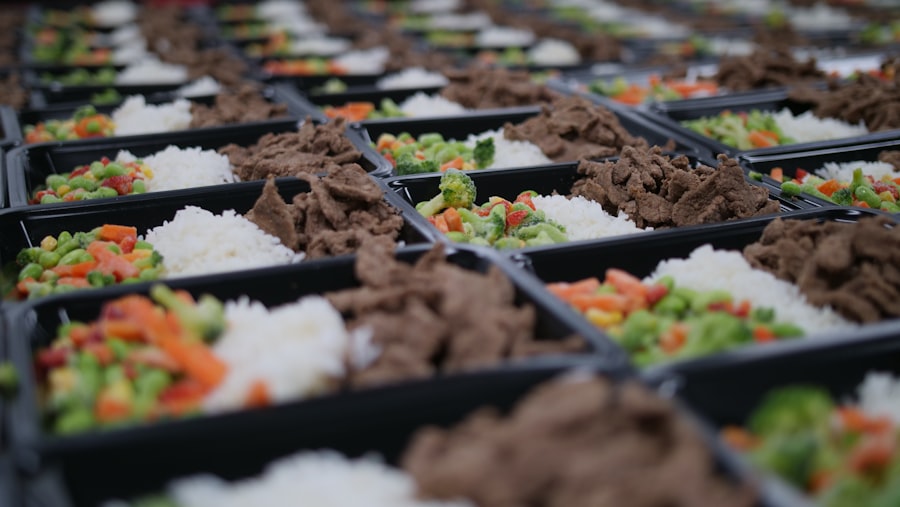
Proper storage and labeling are critical components of effective meal prep. Once meals are prepared, families should invest in high-quality airtight containers that are suitable for both refrigeration and freezing. Glass containers are often preferred due to their durability and ability to withstand temperature changes without leaching harmful chemicals into food.
Additionally, using clear containers allows for easy visibility of contents, making it simpler to identify meals at a glance. Labeling containers with dates and contents is another essential practice that helps maintain food safety and organization. Families can use masking tape or reusable labels to mark each container clearly.
This not only prevents confusion over what’s inside but also ensures that meals are consumed within safe timeframes. For instance, cooked meals typically last three to four days in the refrigerator, while frozen meals can be stored for several months without compromising quality.
Dealing with Picky Eaters
Navigating the challenges posed by picky eaters can be daunting for any family; however, meal prep offers an opportunity to introduce new foods gradually while still catering to individual preferences. One effective strategy is to incorporate familiar ingredients into new recipes. For example, if a child enjoys pasta but is hesitant about vegetables, families can create a pasta dish featuring hidden veggies blended into a sauce or finely chopped and mixed into meatballs.
Another approach is to create “build-your-own” meals that allow each family member to customize their plates according to their tastes. Tacos or grain bowls are excellent examples of this concept; by providing various toppings such as proteins, vegetables, sauces, and garnishes, everyone can assemble their ideal meal while still enjoying a shared dining experience. This method not only accommodates picky eaters but also encourages them to experiment with new flavors in a low-pressure environment.
Adjusting for Dietary Restrictions
In today’s diverse culinary landscape, many families face dietary restrictions due to allergies, intolerances, or lifestyle choices such as vegetarianism or veganism. Meal prep can be adapted to accommodate these needs without sacrificing flavor or nutrition. The key lies in being informed about alternative ingredients that can replace common allergens or restricted foods.
For instance, families with gluten sensitivities can explore gluten-free grains like quinoa or brown rice as substitutes for traditional pasta or bread. Similarly, plant-based proteins such as lentils or chickpeas can serve as excellent alternatives for meat in various recipes. When planning meals, it’s essential to communicate openly about dietary restrictions within the family so that everyone feels included in the meal prep process.
By embracing creativity in the kitchen and being willing to experiment with new ingredients, families can enjoy delicious meals that cater to everyone’s needs while fostering an inclusive dining atmosphere.
FAQs
What is meal prepping and why is it beneficial for a family of four?
Meal prepping involves preparing meals or meal components in advance to save time during the week. For a family of four, it helps streamline cooking, reduces daily stress, ensures healthier eating, and can save money by minimizing food waste.
How much time should I dedicate to meal prepping for a family of four?
Typically, setting aside 1 to 3 hours once or twice a week is sufficient to prepare meals or ingredients for a family of four. The exact time depends on the complexity of meals and the level of prep involved.
What are some easy meal prep ideas suitable for a family of four?
Simple meal prep ideas include batch cooking staples like rice, pasta, or quinoa; chopping vegetables in advance; preparing protein sources such as grilled chicken or beans; and assembling meals like casseroles or salads that can be stored and reheated.
How can I ensure meals stay fresh throughout the week?
Use airtight containers, refrigerate or freeze meals promptly, and label containers with dates. Planning meals that hold up well over time, such as stews or roasted vegetables, also helps maintain freshness.
What equipment is helpful for meal prepping for a family?
Useful equipment includes quality storage containers, a slow cooker or instant pot, sharp knives, cutting boards, measuring cups, and possibly a food processor to speed up chopping and mixing.
How can I involve my family in meal prepping?
Assign age-appropriate tasks such as washing vegetables, stirring ingredients, or packing lunches. Involving children can make meal prep more enjoyable and teach them about healthy eating habits.
How do I plan meals to accommodate different dietary preferences or restrictions?
Plan meals with flexible components, such as customizable bowls or sides, and prepare separate ingredients if needed. Communicate with family members to understand preferences and incorporate a variety of foods to meet everyone’s needs.
Can meal prepping help reduce food waste for a family?
Yes, meal prepping encourages using ingredients efficiently by planning portions and repurposing leftovers, which helps minimize food waste and saves money.
Is meal prepping suitable for families with busy schedules?
Absolutely. Meal prepping is designed to save time during busy weekdays by consolidating cooking tasks into fewer sessions, making it easier to provide nutritious meals despite a hectic schedule.
How do I store prepped meals safely for a family of four?
Store meals in clean, airtight containers in the refrigerator if consuming within 3-4 days, or freeze portions for longer storage. Always reheat meals to the appropriate temperature before serving.