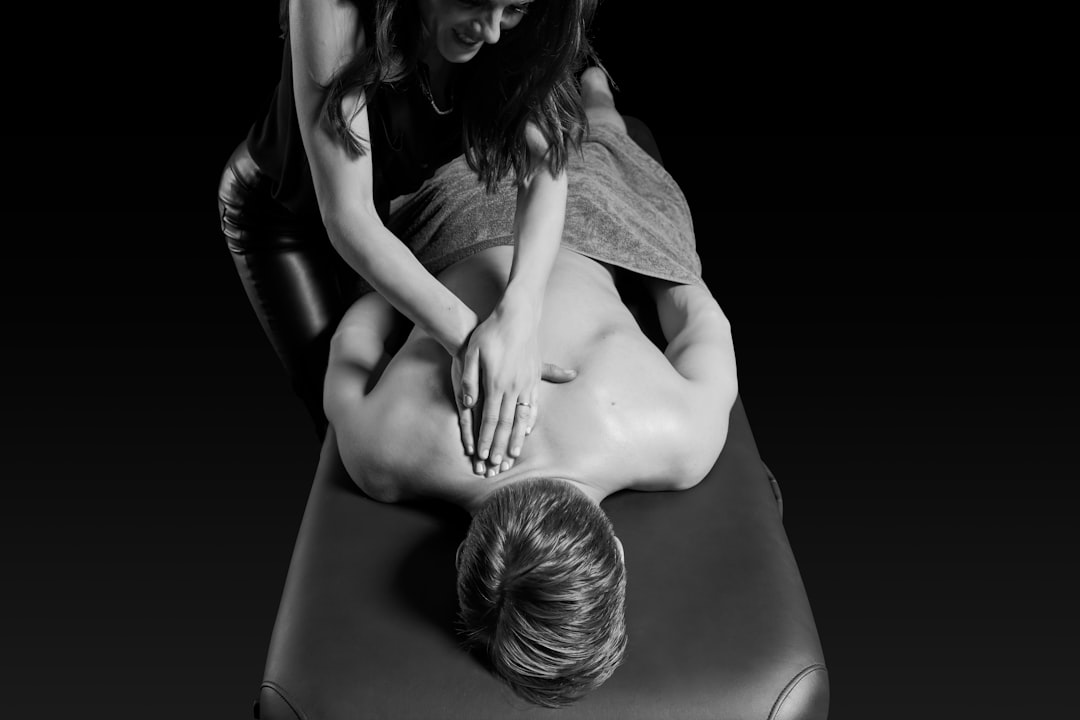
Prolonged sitting is increasingly common in modern society, driven by the prevalence of desk-based employment and widespread use of digital devices. The human body is physiologically adapted for regular movement rather than extended periods of stillness. Sustained sitting, particularly in positions that do not support proper spinal alignment, can alter the spine’s natural curves.
This postural misalignment may result in forward head posture, shoulder rounding, and increased lumbar curvature. These changes can become habitual over time, making it challenging to maintain correct posture during standing or walking activities. The consequences of prolonged sitting extend beyond postural changes.
Scientific evidence demonstrates that sedentary behavior is associated with multiple health conditions, including obesity, cardiovascular disease, and musculoskeletal disorders. Muscles that stabilize the spine and pelvis can deteriorate from lack of use, while other muscles may tighten and shorten. This muscular imbalance contributes to postural problems and can result in chronic pain and discomfort.
For individuals who spend substantial time in seated positions, recognizing these health risks is important for implementing preventive strategies to reduce the negative effects of sedentary behavior.
Identifying Common Imbalances Caused by Prolonged Sitting
The human body is a complex system of muscles, tendons, and ligaments that work in harmony to maintain balance and stability. However, prolonged sitting disrupts this equilibrium, leading to common muscular imbalances. One prevalent issue is the tightening of hip flexors, particularly the iliopsoas muscle group, which can occur when individuals remain seated for extended periods.
As these muscles shorten, they can pull the pelvis forward, contributing to an anterior pelvic tilt. This tilt can exacerbate lower back pain and create discomfort in the lumbar region. In addition to tight hip flexors, prolonged sitting often results in weakened gluteal muscles.
The glutes play a critical role in stabilizing the pelvis and supporting proper posture. When these muscles become inactive due to extended sitting, other muscles, such as the lower back and hamstrings, may compensate for their lack of engagement. This compensation can lead to further imbalances and discomfort.
Additionally, the upper body is not immune to the effects of prolonged sitting; rounded shoulders and forward head posture are common outcomes as the chest muscles tighten and the upper back muscles weaken. Recognizing these imbalances is essential for developing effective strategies to restore proper posture and alleviate discomfort.
Strengthening Exercises to Correct Muscular Imbalances
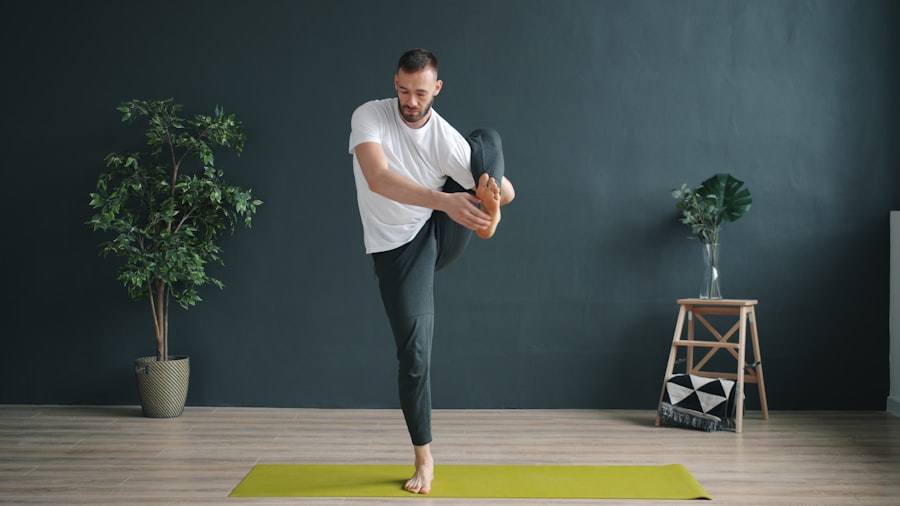
To address the muscular imbalances caused by prolonged sitting, incorporating targeted strengthening exercises into one’s routine is essential. One effective exercise for strengthening the glutes is the bridge. To perform this exercise, lie on your back with your knees bent and feet flat on the floor.
Press through your heels to lift your hips toward the ceiling while engaging your glute muscles. Hold at the top for a few seconds before lowering back down. This movement not only strengthens the glutes but also helps stabilize the pelvis and lower back.
Another beneficial exercise is the plank, which targets multiple muscle groups, including the core, shoulders, and glutes. To perform a plank, start in a push-up position with your arms straight and hands shoulder-width apart. Engage your core and maintain a straight line from your head to your heels.
Hold this position for as long as possible while focusing on proper alignment. Incorporating variations of the plank, such as side planks or plank leg lifts, can further enhance core stability and strength. Additionally, exercises that target the upper back can help counteract rounded shoulders and forward head posture.
Rows using resistance bands or dumbbells are particularly effective for strengthening the rhomboids and trapezius muscles. To perform a row, stand with your feet shoulder-width apart and hold a resistance band or dumbbells in each hand. Pull the weights toward your torso while squeezing your shoulder blades together.
This exercise not only strengthens the upper back but also promotes better alignment of the shoulders.
Stretching Routines to Improve Flexibility and Posture
In conjunction with strengthening exercises, incorporating stretching routines is vital for improving flexibility and restoring proper posture. Stretching tight muscles can alleviate discomfort and enhance overall mobility. One effective stretch for tight hip flexors is the lunge stretch.
To perform this stretch, step one foot forward into a lunge position while keeping the other knee on the ground. Gently push your hips forward while keeping your torso upright to feel a stretch in the front of the hip on the back leg side. Another important stretch targets the chest and shoulders, which often become tight due to prolonged sitting.
The doorway stretch is an excellent option for this purpose. Stand in a doorway with your arms bent at 90 degrees and place your forearms against the door frame. Step forward with one foot until you feel a stretch across your chest and shoulders.
Hold this position for 20-30 seconds while breathing deeply to enhance relaxation. Incorporating dynamic stretches into a routine can also be beneficial for improving flexibility and posture. Arm circles and torso twists are simple yet effective movements that can be performed throughout the day to promote mobility in the upper body.
These stretches help counteract stiffness caused by prolonged sitting and encourage better alignment of the spine.
Ergonomic Tips for Proper Sitting Posture
| Metric | Before Correction | After Correction (4 Weeks) | Improvement (%) | Notes |
|---|---|---|---|---|
| Forward Head Posture Angle (degrees) | 45 | 30 | 33% | Measured via lateral posture analysis |
| Rounded Shoulder Angle (degrees) | 50 | 35 | 30% | Improved scapular positioning |
| Pelvic Tilt (degrees) | 15 (anterior tilt) | 7 (neutral) | 53% | Measured with inclinometer |
| Lower Back Pain (VAS Score 0-10) | 6 | 2 | 67% | Self-reported pain scale |
| Hamstring Flexibility (cm, Sit & Reach) | 15 | 22 | 47% | Improved muscle length |
| Core Muscle Endurance (seconds plank hold) | 20 | 45 | 125% | Increased core stability |
| Daily Sitting Time (hours) | 8 | 6 | 25% | Reduced sedentary behavior |
Creating an ergonomic workspace is crucial for promoting proper sitting posture and reducing the risk of discomfort associated with prolonged sitting. One fundamental aspect of ergonomics is chair selection; an adjustable chair that provides adequate lumbar support is essential for maintaining spinal alignment. The chair should allow individuals to sit with their feet flat on the floor and their knees at or slightly below hip level.
Additionally, monitor placement plays a significant role in promoting good posture. The top of the monitor should be at eye level or slightly below to prevent straining the neck. Positioning the monitor at an arm’s length away can also help reduce eye strain and encourage proper alignment of the head and neck.
Keyboard and mouse placement should allow for relaxed shoulders and elbows close to the body to minimize tension in the upper extremities. Furthermore, utilizing footrests can enhance comfort for individuals whose feet do not reach the ground when seated. A footrest allows for better weight distribution and promotes proper alignment of the pelvis and spine.
Regularly assessing one’s workspace for ergonomic adjustments can significantly impact overall comfort and posture during prolonged sitting.
Incorporating Movement Breaks into a Sedentary Workday

Incorporating movement breaks into a sedentary workday is essential for counteracting the negative effects of prolonged sitting. Research suggests that taking short breaks every 30 minutes can significantly improve circulation, reduce muscle stiffness, and enhance overall productivity. Simple activities such as standing up to stretch, walking around the office, or performing light exercises can make a substantial difference in maintaining energy levels throughout the day.
One effective strategy is to set reminders on a smartphone or computer to prompt movement breaks at regular intervals. During these breaks, individuals can engage in quick stretches or even take brief walks around their workspace or outside if possible. These short bursts of activity not only help alleviate physical discomfort but also provide mental refreshment, enhancing focus when returning to work tasks.
In addition to scheduled breaks, integrating movement into daily routines can further promote an active lifestyle. For instance, opting for stairs instead of elevators or parking farther away from entrances encourages additional physical activity throughout the day. These small changes accumulate over time, contributing to improved overall health and well-being.
Utilizing Posture-Correcting Tools and Devices
In recent years, various posture-correcting tools and devices have emerged as valuable aids for individuals seeking to improve their sitting posture. One popular option is ergonomic chairs designed with lumbar support that encourages proper spinal alignment while seated. These chairs often feature adjustable components that allow users to customize their seating position based on individual needs.
Another innovative tool is posture-correcting braces or straps that gently pull the shoulders back into alignment while providing support to maintain an upright position. These devices can be particularly beneficial for individuals who struggle with awareness of their posture throughout the day. However, it’s essential to use these tools judiciously; relying solely on external devices without addressing underlying muscular imbalances may not yield long-term benefits.
Additionally, standing desks have gained popularity as an alternative to traditional seated workstations. These desks allow individuals to alternate between sitting and standing throughout the day, promoting movement and reducing prolonged periods of immobility. Some standing desks even come equipped with adjustable heights, enabling users to find their optimal working position easily.
Seeking Professional Help for Persistent Postural Issues
For individuals experiencing persistent postural issues or chronic pain related to prolonged sitting, seeking professional help may be necessary. Physical therapists are trained to assess postural alignment and identify specific muscular imbalances contributing to discomfort. They can develop personalized exercise programs tailored to individual needs, focusing on strengthening weak muscles while stretching tight ones.
Chiropractors also play a vital role in addressing postural concerns by providing spinal adjustments that promote better alignment and function of the musculoskeletal system. Regular chiropractic care can help alleviate pain associated with poor posture while enhancing overall mobility. In some cases, consulting with a certified personal trainer or movement specialist may be beneficial for developing a comprehensive exercise routine aimed at correcting postural imbalances.
These professionals can provide guidance on proper form during exercises while ensuring that individuals engage in safe practices tailored to their fitness levels. Ultimately, addressing postural issues requires a multifaceted approach that combines awareness of one’s habits with targeted exercises, ergonomic adjustments, and professional guidance when necessary. By taking proactive steps toward improving posture and reducing discomfort associated with prolonged sitting, individuals can enhance their overall quality of life.
FAQs
What are postural imbalances caused by prolonged sitting?
Postural imbalances from prolonged sitting occur when certain muscles become tight or weak due to maintaining a seated position for extended periods. This can lead to misalignment of the spine, rounded shoulders, forward head posture, and muscle imbalances that affect overall posture and movement.
Why does prolonged sitting lead to postural imbalances?
Prolonged sitting often causes muscles like the hip flexors and chest muscles to become tight, while muscles such as the glutes and upper back weaken. This imbalance disrupts the natural alignment of the spine and joints, contributing to poor posture and discomfort.
What are common symptoms of postural imbalances from sitting too long?
Common symptoms include lower back pain, neck stiffness, rounded shoulders, forward head posture, decreased mobility, muscle tightness, and sometimes headaches or fatigue due to poor circulation and muscle strain.
How can I correct postural imbalances caused by sitting?
Correcting postural imbalances involves a combination of stretching tight muscles, strengthening weak muscles, improving ergonomic setup, taking frequent breaks to move, and practicing good posture habits throughout the day.
Which exercises help correct postural imbalances from sitting?
Effective exercises include hip flexor stretches, chest openers, strengthening exercises for the glutes and upper back (such as rows and bridges), core stabilization exercises, and mobility drills for the spine and shoulders.
How often should I take breaks from sitting to prevent postural imbalances?
It is recommended to take a break every 30 to 60 minutes to stand, stretch, and move around. Regular movement helps reduce muscle stiffness and promotes better posture.
Can ergonomic adjustments help with postural imbalances?
Yes, ergonomic adjustments such as using a chair with proper lumbar support, positioning the computer screen at eye level, keeping feet flat on the floor, and maintaining a neutral wrist position can help maintain better posture and reduce imbalances.
Is professional help necessary to correct postural imbalances?
While many postural issues can be improved with self-care, consulting a physical therapist or healthcare professional can provide personalized assessment and targeted treatment plans for more severe or persistent imbalances.
Can postural imbalances from sitting lead to long-term health problems?
If left uncorrected, postural imbalances can contribute to chronic pain, joint degeneration, reduced mobility, and increased risk of musculoskeletal disorders.
Are there lifestyle changes that support correcting postural imbalances?
Yes, incorporating regular physical activity, maintaining a healthy weight, practicing mindfulness about posture, and using ergonomic furniture all support the correction and prevention of postural imbalances caused by prolonged sitting.