Mild anxiety is a common experience that many people encounter regularly. It typically appears as a feeling of unease or worry, usually triggered by specific situations like public speaking, job interviews, or major life transitions. Physical symptoms often include an increased heart rate, perspiration, and restlessness.
Although uncomfortable, mild anxiety is generally manageable and can serve a useful function by encouraging people to prepare for challenges or recognize potential risks. The key difference between mild anxiety and anxiety disorders is the strength and persistence of symptoms. Mild anxiety is usually temporary and decreases once the triggering situation ends.
Anxiety disorders, however, involve ongoing feelings of fear or worry that significantly impact daily activities and functioning. Recognizing the characteristics of mild anxiety is important because it helps people identify their feelings and develop practical coping methods. By accepting that these feelings are a normal human experience, individuals can address them effectively and prevent them from developing into more serious conditions.
Lifestyle Changes for Managing Anxiety
Making intentional lifestyle changes can significantly impact the management of mild anxiety. One of the most effective strategies is establishing a consistent daily routine. A structured schedule can provide a sense of predictability and control, which is particularly beneficial for those experiencing anxiety.
Incorporating regular sleep patterns, designated work hours, and time for relaxation can help create a balanced lifestyle that reduces stress levels. Additionally, prioritizing self-care activities such as reading, engaging in hobbies, or spending time in nature can foster a sense of well-being and mitigate feelings of anxiety. Another important lifestyle change involves reducing the consumption of stimulants such as caffeine and nicotine.
These substances can exacerbate feelings of anxiety by increasing heart rate and promoting restlessness. By substituting these stimulants with calming alternatives like herbal teas or decaffeinated beverages, individuals may find that their anxiety levels decrease. Furthermore, limiting alcohol intake is essential, as while it may initially seem to provide relief, it can ultimately lead to increased anxiety and disrupt sleep patterns.
Adopting these lifestyle changes can create a more conducive environment for managing mild anxiety effectively.
Mind-Body Techniques for Anxiety Relief
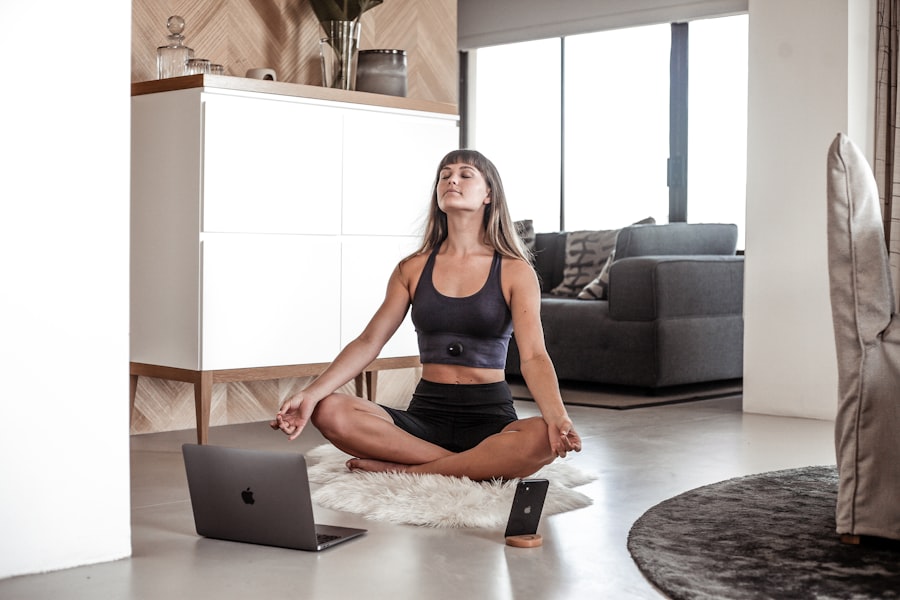
Mind-body techniques have gained recognition for their effectiveness in alleviating symptoms of mild anxiety. Practices such as mindfulness meditation encourage individuals to focus on the present moment, fostering a sense of calm and reducing racing thoughts. By dedicating just a few minutes each day to mindfulness exercises, individuals can cultivate greater awareness of their thoughts and feelings without judgment.
This practice not only helps in managing anxiety but also enhances overall emotional resilience. Another powerful mind-body technique is deep breathing exercises. Engaging in controlled breathing can activate the body’s relaxation response, counteracting the physiological symptoms of anxiety.
Techniques such as diaphragmatic breathing involve inhaling deeply through the nose, allowing the abdomen to expand, and then exhaling slowly through the mouth. This practice can be particularly useful during moments of heightened anxiety, providing immediate relief and grounding individuals in the present moment. Incorporating these mind-body techniques into daily routines can empower individuals to take an active role in managing their anxiety.
Herbal Remedies for Anxiety
Herbal remedies have been utilized for centuries as natural approaches to alleviate anxiety symptoms. One of the most well-known herbs for this purpose is chamomile, often consumed as a tea. Chamomile contains apigenin, an antioxidant that binds to specific receptors in the brain, promoting relaxation and reducing anxiety levels.
Research has shown that regular consumption of chamomile tea may lead to significant improvements in anxiety symptoms over time. Another popular herbal remedy is valerian root, which is often used as a natural sleep aid but also has anxiolytic properties. Valerian root works by increasing levels of gamma-aminobutyric acid (GABA) in the brain, a neurotransmitter that helps regulate mood and promote relaxation.
While valerian root is available in various forms, including capsules and teas, it is essential to consult with a healthcare professional before incorporating it into one’s routine, especially if other medications are being taken.
Dietary Approaches to Reduce Anxiety
| Step | Strategy | Description | Expected Outcome | Timeframe |
|---|---|---|---|---|
| 1 | Mindful Breathing | Practice deep, slow breathing exercises to calm the nervous system. | Reduced immediate anxiety symptoms and increased relaxation. | 5-10 minutes daily |
| 2 | Regular Physical Activity | Engage in moderate exercise such as walking, yoga, or swimming. | Improved mood and decreased anxiety levels over time. | 30 minutes, 3-5 times per week |
| 3 | Balanced Nutrition | Consume a diet rich in whole foods, omega-3s, and limit caffeine. | Enhanced brain function and stabilized mood. | Ongoing |
| 4 | Sleep Hygiene | Maintain a consistent sleep schedule and create a restful environment. | Better sleep quality leading to reduced anxiety. | Daily routine |
| 5 | Herbal Supplements | Use natural supplements like chamomile or lavender after consulting a professional. | Mild calming effects and anxiety reduction. | 2-4 weeks |
| 6 | Cognitive Behavioral Techniques | Practice identifying and reframing anxious thoughts. | Improved coping skills and decreased anxiety triggers. | Several weeks with practice |
| 7 | Social Support | Engage with friends, family, or support groups. | Increased emotional support and reduced feelings of isolation. | Ongoing |
Diet plays a crucial role in mental health, and certain dietary approaches can help reduce mild anxiety symptoms. A diet rich in whole foods—such as fruits, vegetables, whole grains, lean proteins, and healthy fats—provides essential nutrients that support brain health and emotional well-being. Omega-3 fatty acids, found in fatty fish like salmon and walnuts, have been linked to reduced levels of anxiety and depression due to their anti-inflammatory properties and role in neurotransmitter function.
Additionally, incorporating foods high in magnesium may also be beneficial for managing anxiety. Magnesium is known for its calming effects on the nervous system and can be found in foods such as spinach, almonds, and black beans. Furthermore, maintaining stable blood sugar levels by consuming complex carbohydrates—like oats and quinoa—can prevent mood swings and irritability that may exacerbate feelings of anxiety.
By adopting a balanced diet that prioritizes nutrient-dense foods, individuals can create a solid foundation for emotional stability.
Exercise and Physical Activity for Anxiety Management
Regular physical activity is one of the most effective strategies for managing mild anxiety. Exercise stimulates the production of endorphins—neurotransmitters that promote feelings of happiness and well-being—while also reducing levels of stress hormones like cortisol. Engaging in aerobic activities such as running, swimming, or cycling can lead to immediate improvements in mood and reductions in anxiety levels.
Moreover, incorporating mind-body exercises like yoga or tai chi can provide additional benefits for those dealing with mild anxiety. These practices emphasize breath control, mindfulness, and gentle movement, which can help individuals connect with their bodies and release tension. Research has shown that participants who engage in regular yoga practice report lower levels of anxiety and improved overall mental health.
By making exercise a regular part of one’s routine, individuals not only enhance their physical health but also cultivate resilience against anxiety.
Creating a Supportive Environment for Anxiety Relief
The environment in which one lives and works plays a significant role in managing mild anxiety. Creating a supportive atmosphere involves both physical and emotional elements. On a physical level, decluttering spaces can lead to reduced stress; a tidy environment often promotes clarity and calmness.
Incorporating elements such as plants or natural light can also enhance mood and create a more serene atmosphere. Emotionally supportive environments are equally important for managing anxiety. Surrounding oneself with understanding friends and family members who provide encouragement can foster resilience during challenging times.
Open communication about feelings of anxiety can help reduce stigma and create a sense of community among those experiencing similar challenges. Additionally, participating in support groups or online forums dedicated to mental health can provide valuable resources and connections with others who understand the journey toward managing anxiety.
Seeking Professional Help for Persistent Anxiety
While many individuals may find relief through lifestyle changes and self-help strategies, persistent anxiety may require professional intervention. Mental health professionals such as psychologists or licensed counselors are equipped to provide evidence-based therapies tailored to individual needs. Cognitive-behavioral therapy (CBT) is one widely recognized approach that helps individuals identify negative thought patterns contributing to their anxiety and develop healthier coping mechanisms.
In some cases, medication may also be recommended as part of a comprehensive treatment plan for those experiencing moderate to severe anxiety symptoms. Antidepressants or anti-anxiety medications can help regulate neurotransmitter levels in the brain, providing relief from persistent symptoms when combined with therapy. It is essential for individuals considering medication to consult with a healthcare provider to discuss potential benefits and side effects.
Recognizing when to seek professional help is crucial for those struggling with persistent anxiety symptoms that interfere with daily life. By taking proactive steps toward mental health care, individuals can access the support they need to navigate their experiences with anxiety effectively.
FAQs
What are some common natural methods to manage mild anxiety?
Common natural methods to manage mild anxiety include regular physical exercise, practicing mindfulness and meditation, maintaining a balanced diet, ensuring adequate sleep, and using relaxation techniques such as deep breathing or progressive muscle relaxation.
How effective is exercise in reducing mild anxiety?
Exercise is highly effective in reducing mild anxiety as it helps release endorphins, which are natural mood lifters. Regular physical activity can also improve sleep quality and reduce stress hormones, contributing to overall anxiety reduction.
Can dietary changes help in managing mild anxiety?
Yes, dietary changes can help manage mild anxiety. Consuming a balanced diet rich in whole grains, fruits, vegetables, lean proteins, and omega-3 fatty acids supports brain health and can stabilize mood. Avoiding excessive caffeine and sugar is also beneficial.
Is mindfulness meditation useful for anxiety management?
Mindfulness meditation is useful for managing mild anxiety as it helps individuals focus on the present moment, reducing worry and negative thought patterns. Regular practice can improve emotional regulation and decrease anxiety symptoms.
How important is sleep in controlling mild anxiety?
Sleep is very important in controlling mild anxiety. Poor sleep can exacerbate anxiety symptoms, while adequate, quality sleep helps regulate mood and cognitive function, making it easier to manage stress and anxiety.
Are there any natural supplements recommended for mild anxiety?
Some natural supplements, such as magnesium, valerian root, and chamomile, may help alleviate mild anxiety symptoms. However, it is important to consult a healthcare professional before starting any supplements to ensure safety and appropriateness.
When should someone seek professional help for anxiety?
Professional help should be sought if anxiety symptoms persist, worsen, or interfere significantly with daily life. If natural strategies are insufficient or if there are signs of severe anxiety or depression, consulting a mental health professional is recommended.