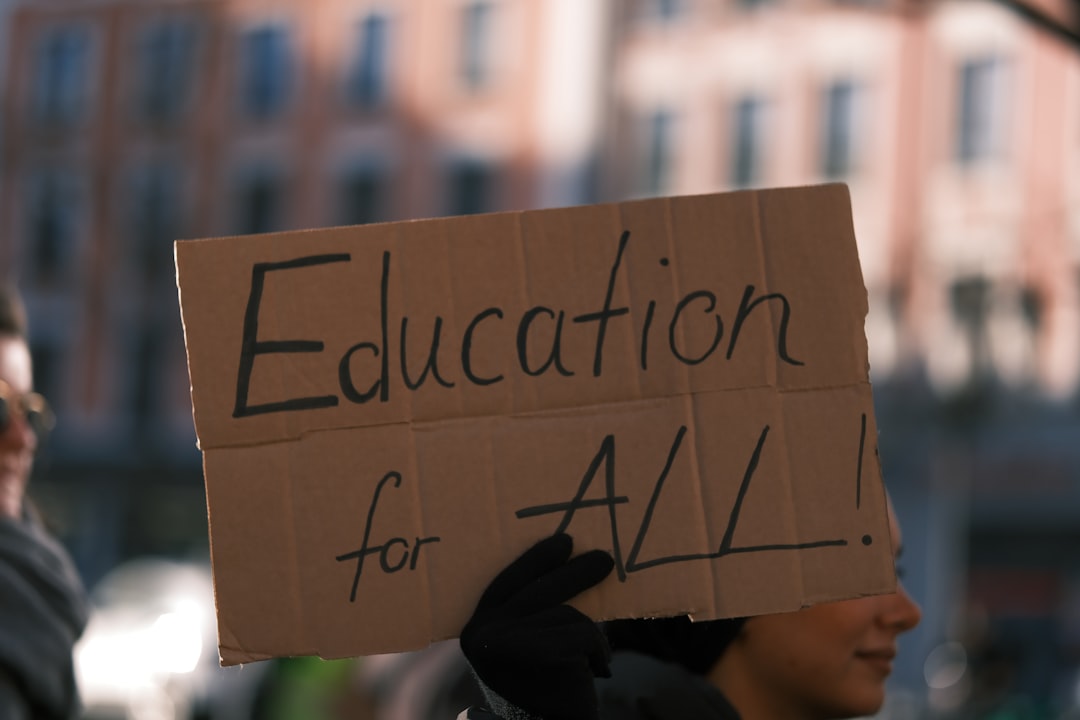
Degree inflation is the trend in which employers increasingly require higher educational qualifications for positions that historically did not demand them. This pattern emerged as the job market evolved and employers began seeking candidates with advanced degrees to maintain competitive advantage. The phenomenon became prominent in the late 20th century, when a college degree transitioned from being an educational credential to becoming a standard requirement for entry-level employment.
As participation in higher education expanded, the relative value of degrees declined, resulting in a situation where positions that once required only secondary education now demand advanced qualifications. The consequences of degree inflation are significant and varied. The trend demonstrates a societal emphasis on education and an effort to enhance workforce capabilities.
However, it simultaneously creates concerns regarding educational access and fairness. As employment requirements escalate, individuals without advanced degrees face substantial competitive disadvantages in the job market, even for positions that may not functionally require such qualifications. This situation creates a contradiction in which pursuing higher education becomes simultaneously essential and economically burdensome, affecting both individual career prospects and wider economic patterns.
The Effects of Degree Inflation on Job Market
The job market has undergone significant transformations due to degree inflation, with many positions now requiring advanced degrees that were once accessible to those with only a high school diploma or an associate degree. For instance, roles in fields such as marketing, human resources, and even certain technical positions have shifted from requiring a bachelor’s degree to demanding a master’s degree or higher. This shift has led to an oversaturation of candidates with similar qualifications, making it increasingly difficult for job seekers to stand out in a crowded field.
Moreover, degree inflation has contributed to a mismatch between job requirements and actual job performance. Employers may prioritize educational credentials over practical experience or skills, leading to situations where highly qualified candidates are overlooked in favor of those with advanced degrees but less relevant experience. This trend can stifle innovation and creativity within organizations, as individuals who may possess the necessary skills but lack formal qualifications are often excluded from consideration.
Consequently, businesses may miss out on valuable talent that could drive growth and success.
The Devaluation of Higher Education

As degree inflation continues to escalate, the value of higher education is increasingly called into question. When advanced degrees become commonplace among job applicants, the unique advantage they once provided diminishes. For example, a master’s degree that once set candidates apart now becomes merely a baseline requirement for many positions.
This devaluation can lead to disillusionment among graduates who invest significant time and resources into their education, only to find that their degrees do not guarantee employment or higher salaries. Additionally, the proliferation of online degree programs and for-profit institutions has further complicated the landscape of higher education. While these options have made education more accessible, they have also contributed to concerns about the quality and rigor of academic programs.
Employers may become skeptical of degrees from certain institutions, leading to a hierarchy of educational credentials that can disadvantage graduates from less prestigious schools. This stratification not only affects individual job prospects but also perpetuates systemic inequalities within the workforce.
The Financial Burden of Degree Inflation
The financial implications of degree inflation are significant and often burdensome for students and their families. Pursuing advanced degrees typically involves substantial tuition costs, which can lead to crippling student debt. According to the Federal Reserve, student loan debt in the United States surpassed $1.7 trillion in 2021, with many graduates struggling to repay their loans due to underemployment or stagnant wages.
As more individuals feel compelled to obtain higher degrees in order to remain competitive in the job market, this cycle of debt continues to grow. Moreover, the return on investment for advanced degrees is not always guaranteed. While some fields may offer lucrative salaries for those with master’s or doctoral degrees, others do not provide a corresponding financial benefit.
For instance, graduates in fields such as social work or education may find themselves earning modest salaries despite having invested heavily in their education. This disparity raises critical questions about the sustainability of pursuing higher education as a means of achieving economic stability and success.
Alternative Paths to Success
| Metric | Description | Data/Value | Source/Year |
|---|---|---|---|
| Percentage of workforce with bachelor’s degree | Proportion of U.S. workforce holding at least a bachelor’s degree | 40% | U.S. Bureau of Labor Statistics, 2023 |
| Increase in bachelor’s degree holders since 2000 | Growth in percentage of adults aged 25-34 with bachelor’s degrees | +15% | National Center for Education Statistics, 2022 |
| Underemployment rate for recent graduates | Percentage of recent graduates working in jobs that do not require a degree | 41% | Federal Reserve Bank of New York, 2021 |
| Average starting salary for bachelor’s degree holders | Median annual starting salary for bachelor’s degree graduates | 50,000 | National Association of Colleges and Employers, 2023 |
| Tuition inflation rate | Average annual increase in college tuition fees | 3.5% per year | College Board, 2023 |
| Return on investment (ROI) for bachelor’s degree | Estimated lifetime earnings premium compared to high school diploma | 20-30% | Georgetown University Center on Education and the Workforce, 2022 |
| Employer perception of degree value | Percentage of employers who believe degrees are less indicative of skills | 55% | Gallup Poll, 2023 |
In light of degree inflation and its associated challenges, many individuals are exploring alternative paths to success that do not rely solely on traditional educational routes. Vocational training programs, apprenticeships, and certifications have gained popularity as viable options for those seeking to enter the workforce without incurring significant debt. These alternatives often provide hands-on experience and practical skills that are highly valued by employers, allowing individuals to build successful careers without the need for advanced degrees.
For example, skilled trades such as plumbing, electrical work, and carpentry offer lucrative opportunities for those who complete vocational training programs. These careers not only provide stable employment but also often come with lower barriers to entry compared to traditional four-year college degrees. Additionally, industries such as technology have seen a rise in boot camps and coding schools that equip individuals with in-demand skills in a fraction of the time it takes to earn a degree.
As employers increasingly recognize the value of practical experience over formal education, these alternative pathways are becoming more accepted and respected within the job market.
The Role of Employers in Degree Inflation

Employers play a crucial role in perpetuating degree inflation by establishing hiring practices that prioritize educational credentials over other qualifications. Many organizations have adopted policies that require specific degrees for positions that may not necessitate them, effectively narrowing the pool of potential candidates. This practice can create an environment where individuals feel pressured to pursue advanced degrees simply to meet arbitrary requirements set by employers.
Furthermore, employers often contribute to degree inflation by emphasizing educational attainment in their recruitment processes. Job postings frequently list advanced degrees as preferred qualifications, even when the actual responsibilities of the role do not warrant such credentials. This trend can lead to a culture where candidates feel compelled to pursue additional education rather than focusing on gaining relevant experience or skills that would better prepare them for the job at hand.
By reevaluating their hiring criteria and placing greater emphasis on practical experience and skills, employers can help mitigate the effects of degree inflation and foster a more inclusive job market.
Addressing Degree Inflation in Higher Education
To address the challenges posed by degree inflation, higher education institutions must adapt their curricula and policies to better align with the needs of the job market. This includes developing programs that emphasize practical skills and experiential learning opportunities rather than solely focusing on theoretical knowledge. By collaborating with industry leaders and employers, educational institutions can create pathways that equip students with the skills necessary for success in their chosen fields.
Additionally, universities should consider reevaluating their admissions criteria and hiring practices for faculty members. By placing greater emphasis on diverse experiences and backgrounds rather than solely on academic credentials, institutions can foster a more inclusive environment that values practical knowledge alongside formal education. This shift could help reduce the pressure on students to pursue advanced degrees while still ensuring that they receive a quality education that prepares them for the workforce.
Navigating the Impact of Degree Inflation
Navigating the complexities of degree inflation requires a multifaceted approach that involves collaboration between educational institutions, employers, and policymakers. As society grapples with the implications of this phenomenon, it is essential to recognize that while higher education remains valuable, it is not the only pathway to success. By embracing alternative routes and reevaluating hiring practices, stakeholders can work together to create a more equitable job market that values skills and experience alongside formal education.
Ultimately, addressing degree inflation is not just about reducing barriers for job seekers; it is about fostering an environment where diverse talents can thrive regardless of their educational background. As we move forward in an ever-evolving job market, it is crucial to prioritize inclusivity and adaptability in our approach to education and employment.
FAQs
What is degree inflation?
Degree inflation refers to the phenomenon where higher educational qualifications are increasingly required for jobs that previously did not require them. This leads to a situation where the value of a degree diminishes as more people obtain similar qualifications.
Why is degree inflation occurring?
Degree inflation is driven by factors such as increased competition in the job market, the expansion of higher education, and employers using degrees as a screening tool rather than a measure of specific skills or knowledge.
How does degree inflation affect the value of education?
As more individuals earn degrees, the relative advantage of holding a degree decreases. This can lead to underemployment, where graduates work in jobs that do not require their level of education, and may also contribute to rising education costs without corresponding increases in earnings.
What are the consequences of declining education value?
Declining education value can result in wage stagnation for graduates, increased student debt burdens, and a mismatch between skills taught in educational institutions and those demanded by employers.
Can degree inflation impact the job market?
Yes, degree inflation can lead to credential creep, where employers raise educational requirements unnecessarily, potentially excluding qualified candidates without degrees and contributing to labor market inefficiencies.
Are there solutions to address degree inflation?
Potential solutions include emphasizing skills-based hiring, promoting vocational and technical education, improving alignment between education and labor market needs, and encouraging employers to value experience and competencies alongside formal qualifications.
Is degree inflation a global issue?
Degree inflation is observed in many countries, particularly those with expanding higher education systems and competitive job markets, though its extent and impact can vary depending on local economic and educational contexts.