Skylights provide substantial practical and aesthetic advantages to building design. The primary benefit is increased natural light penetration into interior spaces. Research demonstrates that natural light improves mood, enhances productivity, and supports health by maintaining proper circadian rhythm regulation.
In homes, skylights convert dim, confined areas into bright, spacious-feeling environments. In commercial facilities, natural daylight creates more comfortable workspaces, which correlates with improved employee satisfaction and work performance. Skylights also improve energy efficiency.
Daytime natural light reduces dependence on artificial lighting systems, lowering electricity consumption and costs. Contemporary skylights incorporate energy-efficient glazing that minimizes winter heat loss and summer heat gain. This combination increases occupant comfort while reducing a building’s carbon footprint.
Installing skylights represents a cost-effective investment that delivers both visual improvements and measurable energy savings.
Choosing the Right Skylight for Your Roof
Selecting the appropriate skylight for your roof involves careful consideration of various factors, including the type of roof, the intended purpose of the skylight, and the specific climate conditions of the area. Skylights come in various shapes and sizes, including fixed, vented, tubular, and custom designs. Fixed skylights are ideal for maximizing natural light without the need for ventilation, making them suitable for spaces like hallways or stairwells.
On the other hand, vented skylights can be opened to allow for airflow, which is particularly beneficial in kitchens or bathrooms where humidity levels may be higher. The material of the skylight is another critical aspect to consider. Common materials include acrylic, polycarbonate, and glass, each offering different levels of durability and insulation.
Glass skylights tend to provide better insulation and are less prone to scratching compared to plastic options. However, they can be heavier and more expensive. Additionally, it is essential to consider the glazing options available; low-E (low emissivity) coatings can enhance energy efficiency by reflecting heat while allowing natural light to pass through.
Ultimately, choosing the right skylight requires a balance between functionality, aesthetics, and energy efficiency tailored to the specific needs of the building.
Proper Installation Techniques to Maintain Roof Integrity
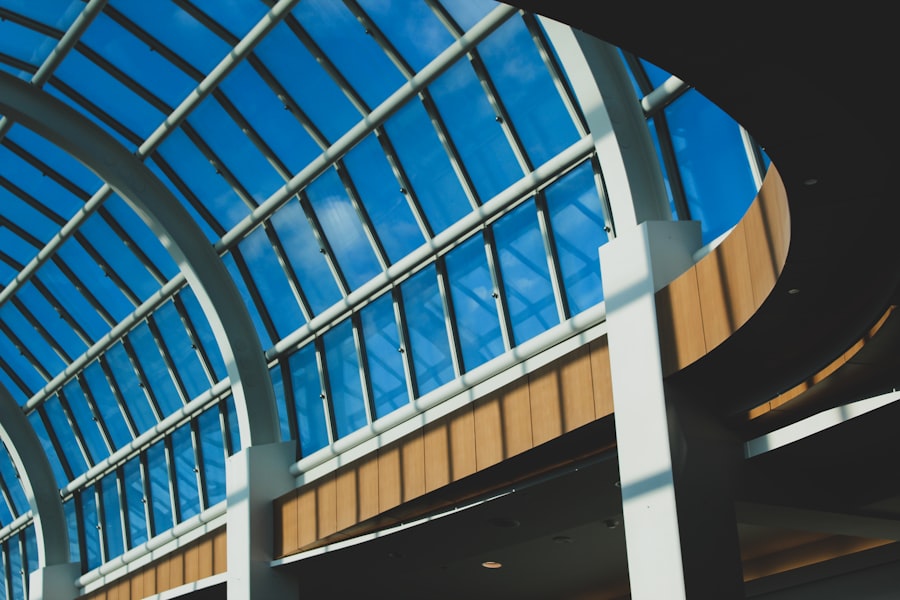
The installation of skylights is a critical phase that directly impacts both their performance and the integrity of the roof structure. Proper installation techniques are essential to prevent leaks and ensure that the skylight functions as intended. One fundamental aspect is ensuring that the skylight is installed at the correct angle to facilitate water drainage and prevent pooling.
This is particularly important in regions with heavy rainfall or snow accumulation. Additionally, flashing must be installed correctly around the skylight to create a watertight seal that prevents moisture intrusion. Another key consideration during installation is ensuring that the skylight is adequately supported by the roof structure.
This may involve reinforcing rafters or using specialized framing techniques to accommodate the weight of the skylight and any potential snow load. It is also crucial to follow manufacturer guidelines closely during installation, as deviations can lead to performance issues or void warranties. Engaging a professional installer with experience in skylight integration can help ensure that these techniques are executed correctly, thereby maintaining the overall integrity of the roof.
Common Issues and How to Avoid Them
Despite their many benefits, skylights can present several common issues if not properly integrated or maintained. One prevalent problem is leaking, which can occur due to improper installation or deterioration of seals over time. To mitigate this risk, it is essential to use high-quality materials and ensure that flashing is installed correctly during the initial setup.
Regular inspections should also be conducted to identify any signs of wear or damage early on. Another issue that homeowners may encounter is condensation buildup within the skylight. This often occurs in areas with high humidity levels or poor ventilation.
To prevent condensation, it is advisable to choose vented skylights that allow for airflow or to install additional ventilation systems in conjunction with fixed skylights. Additionally, using insulated glazing can help reduce temperature differentials that lead to condensation formation. By being proactive about these common issues and implementing preventive measures, homeowners can enjoy their skylights without significant concerns.
Maintenance and Care for Skylights
| Metric | Recommended Value/Standard | Notes |
|---|---|---|
| Skylight Size Limit | Up to 15% of roof area | Maintains structural integrity and prevents excessive heat loss |
| Flashing Type | Metal or high-quality rubber flashing | Ensures waterproof seal around skylight |
| Roof Pitch Compatibility | Minimum 3:12 slope | Prevents water pooling and leaks |
| Framing Reinforcement | Double or triple rafters around opening | Maintains load-bearing capacity |
| Waterproof Membrane | Self-adhering underlayment | Added layer of protection against leaks |
| Installation Angle | Match roof slope | Optimizes water runoff and structural fit |
| Energy Efficiency Rating | U-factor ≤ 0.30 | Reduces heat loss through skylight |
| Ventilation Option | Operable skylights recommended | Improves air circulation and reduces moisture buildup |
Maintaining skylights is crucial for ensuring their longevity and optimal performance. Regular cleaning is one of the simplest yet most effective maintenance tasks that can be performed. Dust, debris, and bird droppings can accumulate on the surface of skylights, obstructing light transmission and diminishing their aesthetic appeal.
Using a soft cloth or sponge with mild soap and water can help keep them clear without scratching the surface. It’s important to avoid harsh chemicals or abrasive materials that could damage the glazing. In addition to cleaning, homeowners should also inspect their skylights periodically for signs of wear or damage.
This includes checking seals for cracks or deterioration and ensuring that flashing remains intact. If any issues are detected, addressing them promptly can prevent more significant problems down the line. For instance, if a seal appears compromised, it may be necessary to reapply caulk or replace weather stripping to maintain a watertight barrier.
By incorporating regular maintenance into their routine, homeowners can extend the lifespan of their skylights and enhance their overall functionality.
Integrating Skylights with Energy Efficiency in Mind
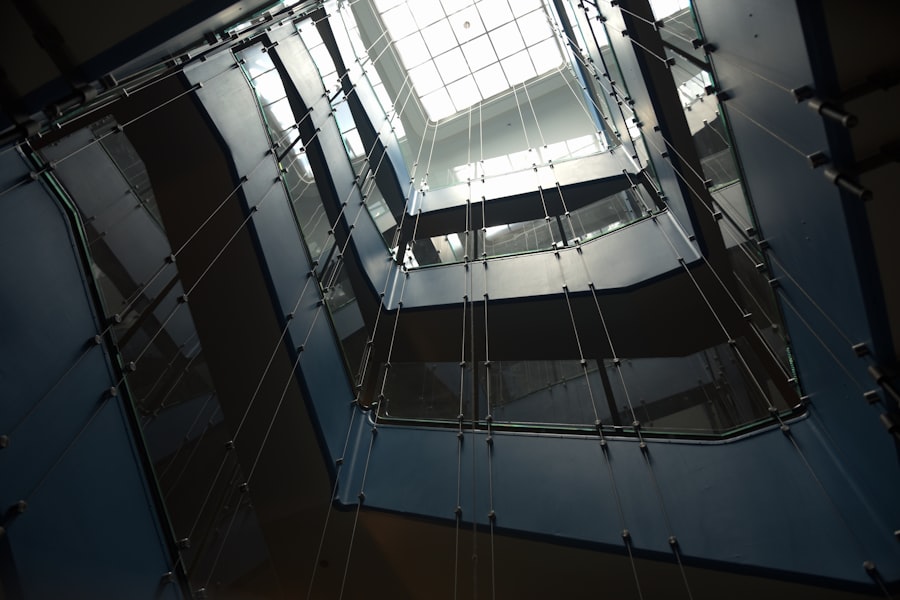
When integrating skylights into a building design, it is essential to consider energy efficiency from the outset. The choice of glazing plays a pivotal role in this regard; selecting low-E glass can significantly reduce heat transfer while still allowing ample natural light into the space. This type of glazing reflects infrared light while permitting visible light to enter, helping maintain comfortable indoor temperatures year-round.
Additionally, strategically placing skylights can optimize energy efficiency by maximizing daylighting while minimizing heat gain during peak summer months. For instance, installing skylights on north-facing roofs allows for consistent natural light without direct sunlight exposure that could lead to overheating. Furthermore, incorporating automated shading systems can enhance energy efficiency by allowing users to control light levels and temperature within a space dynamically.
By thoughtfully integrating these elements into skylight design and placement, homeowners can create bright interiors while reducing reliance on artificial lighting and climate control systems.
Working with a Professional to Ensure Proper Integration
While some homeowners may consider installing skylights as a DIY project, working with a professional can provide significant advantages in terms of expertise and quality assurance. Professionals bring valuable experience in assessing roof structures and determining the best placement for skylights based on factors such as sunlight exposure and potential obstructions like trees or neighboring buildings. Their knowledge of local building codes and regulations ensures that installations comply with safety standards.
Moreover, professionals are equipped with specialized tools and techniques that facilitate proper installation while minimizing risks associated with leaks or structural damage. They can also offer insights into selecting the right materials and designs tailored to individual preferences and needs. By collaborating with an experienced contractor or architect specializing in skylight integration, homeowners can achieve optimal results that enhance both functionality and aesthetics.
Long-Term Considerations for Skylight Integration
When considering long-term integration of skylights into a building design, several factors come into play that can influence their effectiveness over time. One critical aspect is understanding how changes in climate may affect performance; for instance, regions experiencing increased rainfall may require more robust sealing solutions or enhanced drainage systems around skylights to prevent leaks. Additionally, as technology advances, newer options for energy-efficient glazing and automated shading systems may become available.
Homeowners should remain informed about these developments to ensure their skylights continue to meet evolving standards for energy efficiency and comfort. Regular assessments of both performance and aesthetics will help determine if upgrades or replacements are necessary over time. Finally, considering how skylights fit into broader sustainability goals is essential for long-term planning.
As energy efficiency becomes increasingly important in building design, integrating features such as solar tubes or photovoltaic panels alongside traditional skylights may provide additional benefits while further reducing environmental impact. By taking these long-term considerations into account, homeowners can ensure that their investment in skylights continues to yield benefits for years to come.
FAQs
What are the benefits of adding skylights to a roof?
Skylights provide natural light, improve ventilation, enhance the aesthetic appeal of a space, and can help reduce energy costs by decreasing the need for artificial lighting.
How can skylights be installed without compromising roof integrity?
Proper installation involves using flashing kits designed for skylights, ensuring waterproof seals, following manufacturer guidelines, and hiring experienced professionals to prevent leaks and structural damage.
What types of skylights are best for maintaining roof integrity?
Fixed skylights and tubular skylights are generally less invasive and easier to install without compromising roof structure. Ventilated skylights require more careful installation to maintain roof integrity.
Can adding skylights cause leaks in the roof?
If not installed correctly, skylights can cause leaks. However, with proper flashing, sealing, and professional installation, the risk of leaks can be minimized.
Do skylights affect the insulation of a roof?
Skylights can impact insulation if not properly insulated themselves. Modern skylights often come with insulated glazing and frames to reduce heat loss and maintain energy efficiency.
Is it necessary to get a building permit before installing skylights?
In many areas, a building permit is required for skylight installation to ensure compliance with local building codes and safety standards. It is advisable to check with local authorities before proceeding.
How often should skylights be inspected and maintained?
Skylights should be inspected at least once a year for signs of leaks, cracks, or seal deterioration. Regular maintenance helps preserve roof integrity and prolongs the lifespan of the skylight.
Can skylights be added to any type of roof?
Skylights can be added to most roof types, including pitched and flat roofs, but the installation method and materials may vary depending on the roof design and structure.
What materials are commonly used for skylight glazing?
Common materials include tempered glass, laminated glass, acrylic, and polycarbonate. Each offers different levels of durability, insulation, and UV protection.
How do skylights impact energy efficiency in a home?
Skylights can improve energy efficiency by providing natural daylight, reducing the need for electric lighting. However, poorly insulated skylights can lead to heat loss or gain, so choosing energy-efficient models is important.