Kitchen cabinet renovation is a practical home improvement project that can significantly enhance the appearance and functionality of a kitchen. As a central gathering space in most homes, the kitchen benefits greatly from updated cabinetry that reflects current design preferences and meets functional needs. Cabinets that have aged or become worn can detract from the overall kitchen environment and may no longer serve storage requirements effectively.
A kitchen cabinet renovation offers multiple advantages. It improves the visual appeal of the space, enhances storage efficiency, and can increase property value. The project provides flexibility in approach and budget, with several options available to homeowners.
Common renovation methods include painting, refinishing wood surfaces, and replacing hardware such as handles and hinges. These approaches allow homeowners to customize their kitchen within their financial constraints while achieving their desired aesthetic outcome. Even cabinets in poor condition can be restored to functional and attractive condition through these renovation techniques.
Cleaning and Preparing Cabinets for Revamp
Before embarking on any revamping project, thorough cleaning and preparation are crucial steps that set the foundation for a successful outcome. The first task involves emptying the cabinets of all contents, which provides an opportunity to assess what items are truly necessary and what can be discarded or donated. This decluttering process not only makes the revamp easier but also helps in organizing the kitchen more effectively once the project is complete.
Once emptied, the cabinets should be cleaned meticulously to remove grease, grime, and dust that may have accumulated over time. A mixture of warm water and mild detergent is often effective for this purpose. For tougher stains or built-up grease, a solution of vinegar and baking soda can work wonders.
After cleaning, it’s essential to dry the surfaces thoroughly to ensure that any paint or finish applied later adheres properly. Additionally, inspecting the cabinets for any damage such as chips, cracks, or loose hinges is vital. Addressing these issues before proceeding with the revamp will ensure a smoother process and a more polished final result.
Painting or Refinishing Cabinets
One of the most impactful ways to revamp kitchen cabinets is through painting or refinishing. Painting offers an opportunity to completely change the color scheme of the kitchen, allowing homeowners to embrace bold hues or opt for classic neutrals depending on their style preferences. When selecting paint, it’s important to choose a high-quality product specifically designed for cabinetry, as these paints are formulated to withstand wear and tear while providing a smooth finish.
Refinishing, on the other hand, involves stripping away the old finish and applying a new one, which can enhance the natural beauty of wood cabinets. This process typically requires sanding down the existing finish to create a smooth surface for the new stain or sealant. Homeowners can choose from a variety of stains that highlight the wood grain while providing protection against moisture and scratches.
Whether opting for paint or stain, applying multiple coats is often necessary to achieve a rich color and durable finish. Additionally, using a sprayer can provide a more even application compared to brushes or rollers.
Updating Cabinet Hardware
Updating cabinet hardware is another effective way to enhance the overall look of kitchen cabinets without undergoing extensive renovations. The right hardware can serve as jewelry for cabinets, adding character and style that complements the kitchen’s design theme. Homeowners have an array of options when it comes to knobs and pulls, ranging from sleek modern designs to ornate vintage styles.
When selecting new hardware, it’s essential to consider both aesthetics and functionality. For instance, larger pulls may be more comfortable to use on heavier cabinet doors, while smaller knobs can create a minimalist look on lighter cabinetry. Additionally, finishes such as brushed nickel, matte black, or antique brass can dramatically alter the visual impact of the cabinets.
It’s advisable to measure existing holes before purchasing new hardware to ensure compatibility; if new holes are required, careful planning is necessary to avoid damaging the cabinets.
Adding Decorative Molding or Trim
| Upgrade Method | Estimated Cost | Time Required | Durability | Visual Impact | Skill Level Needed |
|---|---|---|---|---|---|
| Painting Cabinets | 100 – 400 | 2 – 3 days | Moderate | High | Intermediate |
| Refacing Cabinets (Replacing Doors & Veneers) | 800 – 2,500 | 3 – 5 days | High | Very High | Professional Recommended |
| Replacing Cabinet Hardware | 50 – 300 | 1 day | High | Moderate | Beginner |
| Adding Molding or Trim | 150 – 600 | 1 – 2 days | Moderate | High | Intermediate |
| Installing New Cabinet Doors Only | 400 – 1,200 | 2 – 3 days | High | High | Intermediate |
Incorporating decorative molding or trim can elevate kitchen cabinets from ordinary to extraordinary. Crown molding at the top of cabinets creates an elegant transition between cabinetry and ceiling while adding height and sophistication to the space. Similarly, baseboards at the bottom of cabinets can provide a finished look that ties in with other elements in the kitchen.
Beyond traditional crown molding, homeowners can explore various styles such as beadboard or shiplap for a more rustic or farmhouse aesthetic. Adding trim around cabinet doors can also create visual interest; for example, applying a simple frame around flat-panel doors can give them a more custom appearance. The installation of molding and trim requires careful measurement and cutting but can be accomplished with basic woodworking tools.
Once installed, painting or staining these accents can further enhance their impact.
Installing New Cabinet Doors or Panels
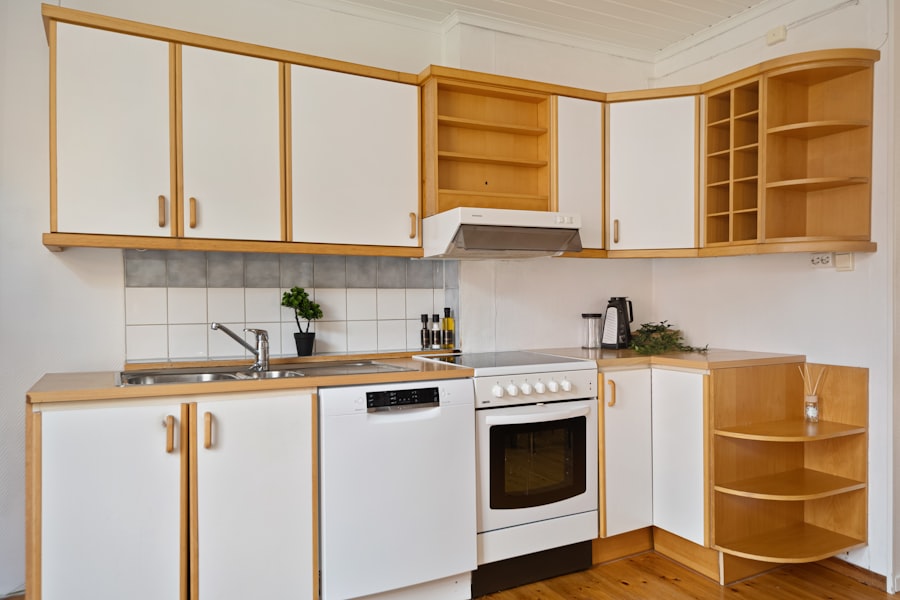
For those looking for a more dramatic change without completely replacing their cabinetry, installing new cabinet doors or panels is an excellent option. This approach allows homeowners to retain their existing cabinet boxes while refreshing their appearance with new fronts that reflect current design trends. There are numerous styles available, including shaker doors for a clean, modern look or raised panel doors for a more traditional feel.
When selecting new doors or panels, it’s important to consider material choices as well. Solid wood offers durability and timeless appeal but may come at a higher cost compared to alternatives like MDF (medium-density fiberboard) or plywood. Additionally, homeowners should ensure that new doors fit properly within existing frames; this may require adjustments or modifications to hinges and mounting hardware.
The installation process typically involves removing old doors and attaching new ones using screws or specialized hardware.
Organizing and Decluttering Cabinets
Revamping kitchen cabinets presents an ideal opportunity to reorganize and declutter the space effectively. After completing cosmetic updates, homeowners should focus on how they utilize their cabinet space to maximize efficiency and accessibility. This may involve categorizing items based on frequency of use; for instance, everyday dishes should be easily accessible while seasonal items can be stored higher up or in less accessible areas.
Incorporating organizational tools such as pull-out shelves, lazy Susans, or drawer dividers can significantly enhance functionality within cabinets. Pull-out shelves allow for easy access to items stored at the back of deep cabinets, while lazy Susans make it simple to reach condiments or spices without rummaging through cluttered shelves. Drawer dividers help keep utensils organized and prevent chaos in kitchen drawers.
By thoughtfully arranging items within cabinets, homeowners can create a more streamlined cooking experience that reduces stress during meal preparation.
Final Touches and Maintenance
As the revamping project nears completion, attention to final touches is essential for achieving a polished look. This may include adding decorative elements such as open shelving for displaying dishware or decorative bowls that enhance visual appeal while maintaining functionality. Additionally, incorporating plants or herbs on windowsills can bring life into the kitchen space.
Maintenance is equally important after revamping kitchen cabinets to ensure they remain in pristine condition over time. Regular cleaning with gentle products will help preserve finishes and prevent buildup of grease or grime. For painted surfaces, touch-ups may be necessary if chips occur; keeping extra paint on hand can facilitate quick repairs.
Furthermore, periodically checking hardware for tightness will prevent loosening over time due to regular use. By investing time and effort into revamping kitchen cabinets through cleaning, painting or refinishing, updating hardware, adding decorative elements, and organizing effectively, homeowners can create a beautiful and functional kitchen space that reflects their personal style while enhancing their daily living experience.
FAQs
What are some common ways to upgrade kitchen cabinets without completely replacing them?
Common methods include repainting or refinishing the cabinet surfaces, replacing cabinet doors and drawer fronts, updating hardware such as knobs and handles, adding decorative molding or trim, and installing new cabinet liners or lighting.
Is it cost-effective to upgrade kitchen cabinets instead of replacing them?
Yes, upgrading kitchen cabinets is generally more cost-effective than a full replacement. It allows you to refresh the look of your kitchen while saving on the cost of new cabinetry and extensive labor.
Can I change the style of my kitchen cabinets without replacing the entire unit?
Yes, changing cabinet doors, applying paint or stain, and updating hardware can significantly alter the style of your cabinets without replacing the entire unit.
How long does it typically take to upgrade kitchen cabinets without replacement?
The time required varies depending on the scope of the project but generally ranges from a few days to a couple of weeks for tasks like painting, refinishing, or hardware replacement.
Do I need professional help to upgrade my kitchen cabinets?
While some upgrades like changing hardware or painting can be DIY projects, more complex tasks such as refinishing or door replacement may benefit from professional assistance to ensure quality results.
Will upgrading kitchen cabinets increase the value of my home?
Upgrading kitchen cabinets can improve the aesthetic appeal and functionality of your kitchen, which may increase your home’s market value and attract potential buyers.
What materials are best for refinishing kitchen cabinets?
Materials such as high-quality paint, wood stain, and durable sealants are commonly used for refinishing. Choosing the right materials depends on the cabinet surface and desired finish.
Can I change the color of my kitchen cabinets without sanding?
Yes, using liquid deglossers or bonding primers can allow you to paint cabinets without sanding, although light sanding is often recommended for the best adhesion and finish.
Are there eco-friendly options for upgrading kitchen cabinets?
Yes, using low-VOC paints, sustainable wood stains, and recycled or reclaimed materials are eco-friendly options for cabinet upgrades.
What should I consider before upgrading my kitchen cabinets?
Consider the current condition of your cabinets, your budget, the desired style, the time you can dedicate to the project, and whether you want to do it yourself or hire professionals.