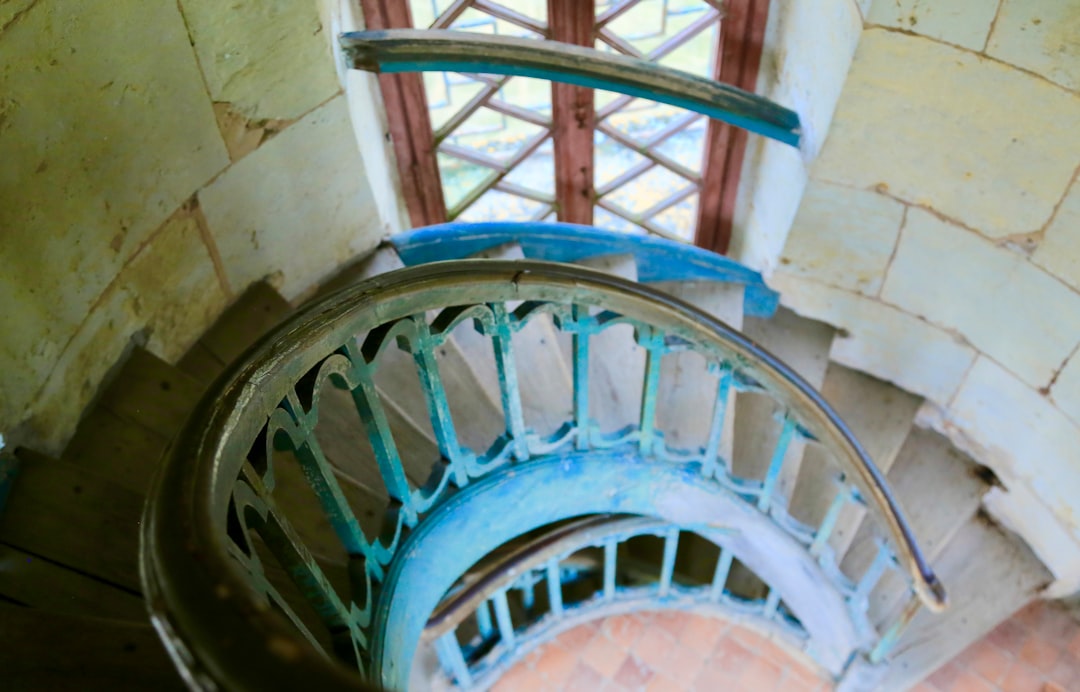
Stairwells function as essential circulation routes within buildings, connecting different floor levels while offering opportunities for visual improvement. In many structures, particularly older buildings, stairwells often become neglected spaces that display outdated design elements and deterioration from regular use. Upgrading these areas improves more than appearance; it also enhances safety, functionality, and property value.
A thoughtfully designed stairwell improves spatial flow, creates an inviting environment, and strengthens the building’s architectural character. Stairwells also hold significance beyond their practical purpose. They frequently create the initial impression for visitors entering a building, especially in commercial or public facilities.
A renovated stairwell demonstrates attention to maintenance and quality, positively reflecting on the building’s occupants or owners. In homes, an updated stairwell can improve the experience of moving between levels, making the space feel more unified and pleasant. Consequently, renovating older stairwells represents a worthwhile investment that can deliver considerable advantages.
Assessing the Current Condition of the Stairwell
Before embarking on any renovation project, a thorough assessment of the current condition of the stairwell is imperative. This evaluation should encompass both structural integrity and aesthetic aspects. Begin by examining the stair treads and risers for signs of wear or damage.
Cracks, chips, or uneven surfaces can pose safety hazards and detract from the overall appearance. Additionally, inspect the handrails and balustrades for stability; loose or broken components not only compromise safety but also diminish the visual appeal of the space. Beyond structural elements, consider the overall ambiance of the stairwell.
Is it well-lit? Does it feel cramped or open? Take note of any existing finishes, such as paint or wallpaper, that may be outdated or peeling.
The color scheme and materials used in the stairwell can significantly influence its atmosphere. A dark, uninviting space may benefit from lighter colors or reflective surfaces to create a more welcoming environment. By conducting a comprehensive assessment, you can identify specific areas that require attention and prioritize updates that will have the most significant impact.
Budget-Friendly Ways to Update the Stairwell
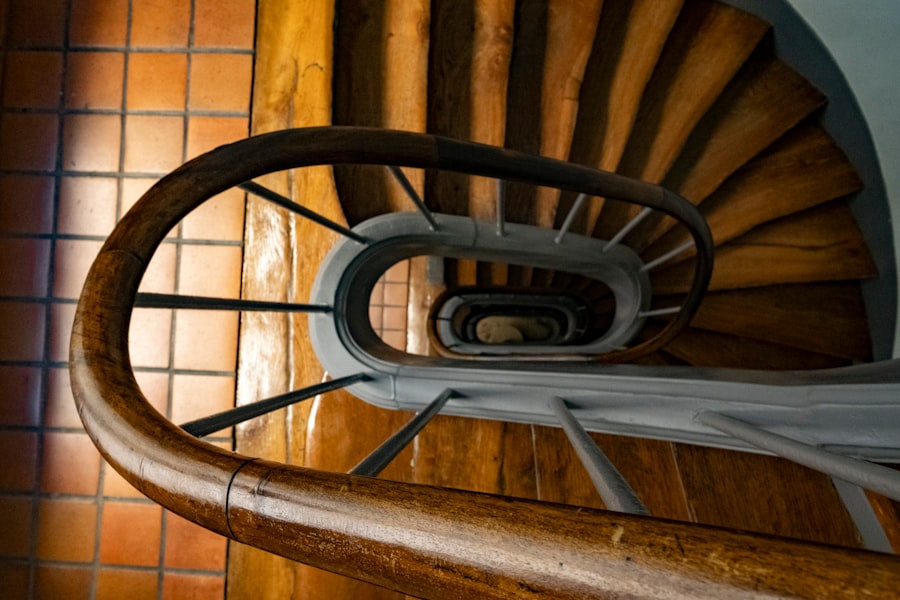
Revamping a stairwell doesn’t have to break the bank; there are numerous budget-friendly strategies that can yield impressive results. One effective approach is to focus on minor cosmetic changes that can dramatically alter the space’s appearance. For instance, replacing worn-out carpeting with a fresh runner can add color and texture without requiring extensive renovations.
Alternatively, if the stairs are made of wood, consider refinishing them to restore their natural beauty. Sanding down the surface and applying a new stain can breathe new life into tired steps. Another cost-effective method is to incorporate DIY projects into your renovation plan.
Simple additions like wall-mounted shelves for decorative items or plants can enhance visual interest without significant investment. Additionally, consider using removable wallpaper or decals to add patterns or colors to the walls without committing to permanent changes. These options allow for flexibility and creativity while keeping costs manageable.
By focusing on small yet impactful updates, you can create a refreshed stairwell that feels modern and inviting.
Adding Lighting for Safety and Aesthetics
Lighting plays a pivotal role in both safety and aesthetics within a stairwell. A well-lit stairwell not only enhances visibility but also creates an inviting atmosphere that encourages use. Begin by evaluating the existing lighting fixtures; outdated or insufficient lighting can make even the most beautifully designed stairwell feel unwelcoming.
Consider replacing old fixtures with modern options that provide ample illumination while complementing the overall design theme. Incorporating layered lighting is an effective strategy for enhancing both safety and aesthetics. This approach involves using a combination of ambient, task, and accent lighting to create a well-rounded illumination scheme.
For instance, wall sconces can provide soft ambient light while recessed lighting can highlight specific architectural features or artwork along the walls. Additionally, installing motion-sensor lights can improve safety by ensuring that the stairwell is always illuminated when in use. By thoughtfully integrating lighting into your stairwell design, you can create a space that feels secure and visually appealing.
Incorporating Decorative Elements to Enhance the Stairwell
| Renovation Aspect | Recommended Approach | Estimated Time | Materials Needed | Key Benefits |
|---|---|---|---|---|
| Surface Preparation | Clean, sand, and repair cracks or chips | 1-2 days | Sandpaper, filler, cleaning agents | Improves adhesion of finishes, extends lifespan |
| Painting | Use durable, non-slip paint designed for stairs | 1-2 days (including drying) | Non-slip paint, primer, brushes/rollers | Enhances appearance, increases safety |
| Adding Stair Treads | Install adhesive or screw-down treads | Half to 1 day | Wood or rubber treads, adhesive or screws | Improves traction, protects original surface |
| Lighting Upgrade | Install LED strip or wall-mounted lights | 1 day | LED lights, wiring, switches | Increases visibility and safety |
| Handrail Refinishing | Sand and repaint or replace handrails | 1-2 days | Sandpaper, paint or new handrails | Improves grip and aesthetic appeal |
| Decorative Enhancements | Add wallpaper, decals, or artwork | 1 day | Wallpaper, decals, adhesive | Personalizes space, modernizes look |
Decorative elements are essential for transforming a functional space into an aesthetically pleasing one. When revamping a stairwell, consider incorporating artwork, plants, or decorative accents that reflect your personal style or the character of the building. For example, hanging framed photographs or prints along the walls can create a gallery-like atmosphere that draws visitors’ attention as they ascend or descend the stairs.
In addition to artwork, consider adding greenery to breathe life into the space. Potted plants or hanging planters can introduce color and texture while improving air quality. If space allows, a small bench or seating area at the landing can serve as both a decorative element and a functional spot for rest.
These thoughtful additions not only enhance visual appeal but also create an inviting environment that encourages people to engage with the space.
Utilizing Paint and Wallpaper to Transform the Space
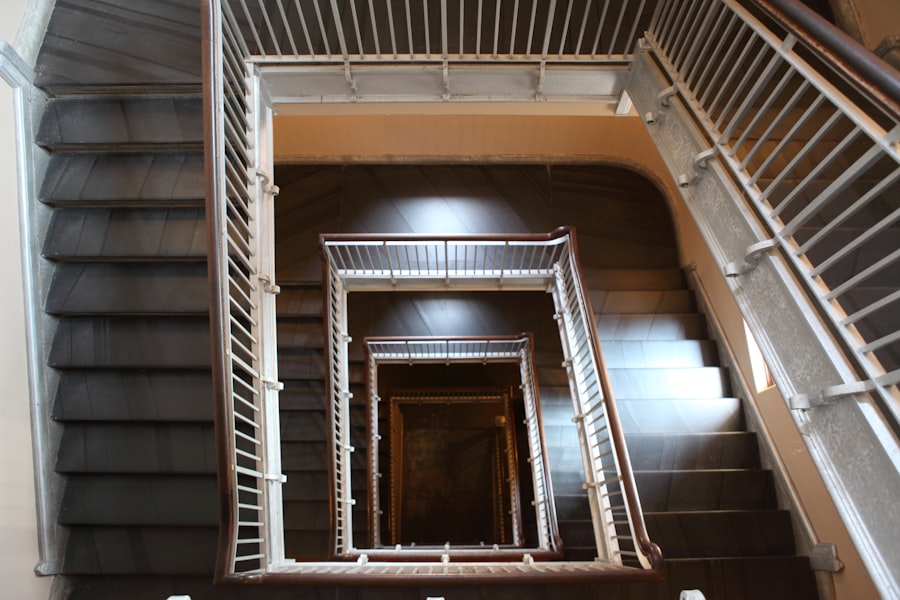
One of the most impactful ways to revamp a stairwell is through paint and wallpaper. A fresh coat of paint can instantly brighten up a dull space and provide an opportunity to introduce new colors that align with your design vision. When selecting paint colors, consider using lighter shades to create an illusion of openness or bold hues to make a statement.
Accent walls can also be an effective way to draw attention to specific architectural features or create focal points within the stairwell. Wallpaper offers another avenue for transformation, allowing for intricate patterns and textures that paint alone cannot achieve. Removable wallpaper has gained popularity due to its versatility; it allows for easy updates without permanent commitment.
Whether opting for a classic damask pattern or a contemporary geometric design, wallpaper can add depth and character to your stairwell. By thoughtfully choosing paint and wallpaper options, you can create a visually striking environment that enhances both style and functionality.
Upgrading Handrails and Balustrades for a Modern Look
Handrails and balustrades are not only essential for safety but also serve as significant design elements within a stairwell. Upgrading these components can dramatically alter the overall aesthetic of the space. Consider replacing outdated wooden handrails with sleek metal options for a more contemporary look.
Stainless steel or wrought iron handrails can provide durability while adding an industrial touch that complements modern design trends. In addition to material upgrades, consider reimagining the balustrade design itself. Glass balustrades have become increasingly popular due to their ability to create an open feel while maintaining safety standards.
They allow light to flow freely through the space while providing unobstructed views of surrounding areas. Alternatively, decorative balusters made from wood or metal can add intricate detailing that enhances traditional or transitional designs. By investing in high-quality handrails and balustrades, you not only improve safety but also elevate the overall aesthetic appeal of your stairwell.
Maintaining and Caring for the Revamped Stairwell
Once your stairwell has been successfully revamped, ongoing maintenance is crucial to preserving its beauty and functionality. Regular cleaning should be part of your routine; dusting surfaces, wiping down handrails, and vacuuming stairs will help maintain a fresh appearance. Pay special attention to any decorative elements you’ve added; plants may require watering and care while artwork should be dusted periodically to prevent buildup.
Additionally, inspect structural components regularly for signs of wear or damage. Check handrails for stability and ensure that lighting fixtures are functioning properly. If you’ve used paint or wallpaper in your renovation, be mindful of any scuffs or marks that may occur over time; addressing these issues promptly will prevent them from becoming more significant problems later on.
By committing to regular maintenance and care, you can ensure that your revamped stairwell remains an attractive and functional part of your building for years to come.
FAQs
What are common issues found in old stairwells?
Common issues in old stairwells include worn or damaged treads and risers, outdated or unsafe handrails, poor lighting, creaky steps, and deteriorating finishes such as paint or wallpaper.
Is it possible to renovate a stairwell without completely rebuilding it?
Yes, many stairwells can be renovated without full reconstruction by repairing or replacing individual components, updating finishes, improving lighting, and reinforcing structural elements as needed.
What materials are typically used to update old stairwells?
Materials commonly used include wood for treads and handrails, non-slip stair nosing, paint or stain for finishes, newel posts, balusters, and modern lighting fixtures.
How can safety be improved in an old stairwell during renovation?
Safety can be enhanced by installing sturdy handrails, adding non-slip surfaces to steps, ensuring proper lighting, repairing loose or creaky steps, and making sure the stair dimensions meet current building codes.
Can old stairwells be made more energy-efficient during renovation?
Yes, energy efficiency can be improved by adding LED lighting, sealing gaps to prevent drafts, and using insulating materials on walls adjacent to the stairwell.
What are some cost-effective ways to renovate an old stairwell?
Cost-effective methods include repainting or staining existing woodwork, replacing only damaged treads or risers, updating lighting fixtures, and installing new handrails without altering the entire structure.
Do I need professional help to renovate an old stairwell?
While minor cosmetic updates can be DIY projects, structural repairs, electrical work, and ensuring compliance with building codes typically require professional expertise.
How long does it usually take to renovate an old stairwell?
The duration depends on the scope of work but minor renovations can take a few days, while more extensive updates may require one to two weeks.
Are there any building codes or regulations to consider when renovating stairwells?
Yes, stairwell renovations must comply with local building codes regarding tread depth, riser height, handrail height, and load-bearing requirements to ensure safety and accessibility.
Can old stairwells be customized to match modern interior design styles?
Absolutely. Old stairwells can be updated with contemporary materials, colors, and design elements to blend seamlessly with modern interiors without rebuilding the entire structure.