
Birth injury malpractice claims are legal actions filed when a healthcare provider’s negligence during labor and delivery causes injury to the newborn or mother. These claims cover injuries ranging from minor bruising to serious conditions like cerebral palsy or Erb’s palsy. To succeed in such a claim, it must be demonstrated that the medical professional deviated from the accepted standard of care, which directly caused the injury.
The standard of care is defined as the level of care a reasonably competent medical professional would provide in similar circumstances. Birth injuries frequently result from various types of negligence, including inadequate fetal monitoring, failure to recognize signs of fetal distress, and medication administration errors. For example, if a physician fails to identify fetal distress shown by abnormal fetal heart rate patterns and does not perform a timely cesarean section, the resulting injury may constitute grounds for a malpractice claim.
Families pursuing compensation for injuries caused by medical negligence should understand the specific elements and requirements of these claims.
Recognizing Signs of Birth Injury
Recognizing the signs of a birth injury is crucial for parents who suspect that their child may have been harmed during delivery. Some common indicators include physical symptoms such as unusual muscle tone, lack of movement, or difficulty feeding. For example, a newborn exhibiting signs of weakness in one arm may be suffering from Erb’s palsy, a condition often caused by excessive pulling during delivery.
Other signs may include seizures, developmental delays, or difficulties with coordination as the child grows. In addition to physical symptoms, parents should also be vigilant about behavioral changes in their newborns. If a baby appears excessively lethargic or unresponsive, it may indicate underlying neurological issues resulting from birth trauma.
Early detection of these signs is vital, as timely intervention can significantly improve outcomes for affected children. Parents should maintain open communication with their pediatricians and seek further evaluation if they notice any concerning symptoms that could suggest a birth injury.
Gathering Evidence for a Birth Injury Malpractice Claim

The success of a birth injury malpractice claim hinges on the ability to gather compelling evidence that substantiates the claim of negligence. This evidence typically includes medical records, expert testimony, and documentation of the child’s injuries and ongoing care needs. Medical records are particularly critical, as they provide a timeline of events during labor and delivery, including any interventions performed and the responses of both the mother and child.
In addition to medical records, obtaining expert testimony from qualified medical professionals can bolster a claim significantly. These experts can provide insights into whether the standard of care was met and how deviations from that standard may have contributed to the injury. For instance, an obstetrician may testify about the appropriate protocols for monitoring fetal heart rates and how failure to adhere to these protocols could lead to serious complications.
Furthermore, documenting the long-term effects of the injury on the child’s development and quality of life is essential for establishing the extent of damages in a malpractice claim.
Finding the Right Attorney for Your Birth Injury Malpractice Claim
Choosing the right attorney is a pivotal step in navigating a birth injury malpractice claim. Families should seek out legal professionals who specialize in medical malpractice and have specific experience with birth injury cases. An attorney with a strong background in this area will be familiar with the complexities involved and will understand how to effectively present a case to maximize the chances of success.
When evaluating potential attorneys, it is beneficial to consider their track record in handling similar cases. Families should inquire about past settlements or verdicts achieved by the attorney and assess their reputation within the legal community. Additionally, an initial consultation can provide insight into how well an attorney communicates and whether they demonstrate genuine empathy for the family’s situation.
A strong attorney-client relationship is essential, as it fosters trust and open communication throughout what can be a lengthy and emotionally taxing process.
The Process of Filing a Birth Injury Malpractice Claim
| Metric | Description | Typical Value/Range |
|---|---|---|
| Average Time to File a Claim | Time period within which a birth injury malpractice claim must be filed | 1 to 3 years from date of injury or discovery |
| Common Types of Birth Injuries | Typical injuries leading to malpractice claims | Cerebral palsy, Erb’s palsy, brain damage, fractures |
| Success Rate of Claims | Percentage of birth injury malpractice claims resulting in favorable outcomes | Approximately 40% to 60% |
| Average Settlement Amount | Typical compensation awarded in birth injury malpractice cases | Varies widely; often ranges from hundreds of thousands to millions |
| Common Causes of Malpractice | Frequent medical errors leading to birth injury claims | Delayed C-section, improper use of forceps, failure to monitor fetal distress |
| Statute of Limitations | Legal deadline to initiate a malpractice claim | Varies by state; typically 2 to 4 years |
| Percentage of Claims Settled Out of Court | Proportion of cases resolved without trial | About 80% to 90% |
Filing a birth injury malpractice claim involves several critical steps that must be followed meticulously to ensure compliance with legal requirements. The first step typically involves gathering all relevant medical records and documentation related to the birth injury. This includes prenatal care records, labor and delivery notes, and any follow-up care documentation that illustrates the ongoing impact of the injury on the child’s health.
Once sufficient evidence has been collected, the next step is to file a formal complaint with the appropriate court. This complaint outlines the specifics of the case, including details about the alleged negligence and how it resulted in harm to the child or mother. It is important to note that there are statutes of limitations governing how long families have to file these claims, which can vary by state.
Therefore, it is crucial for families to act promptly and consult with their attorney to ensure that all deadlines are met.
Negotiating a Settlement for a Birth Injury Malpractice Claim
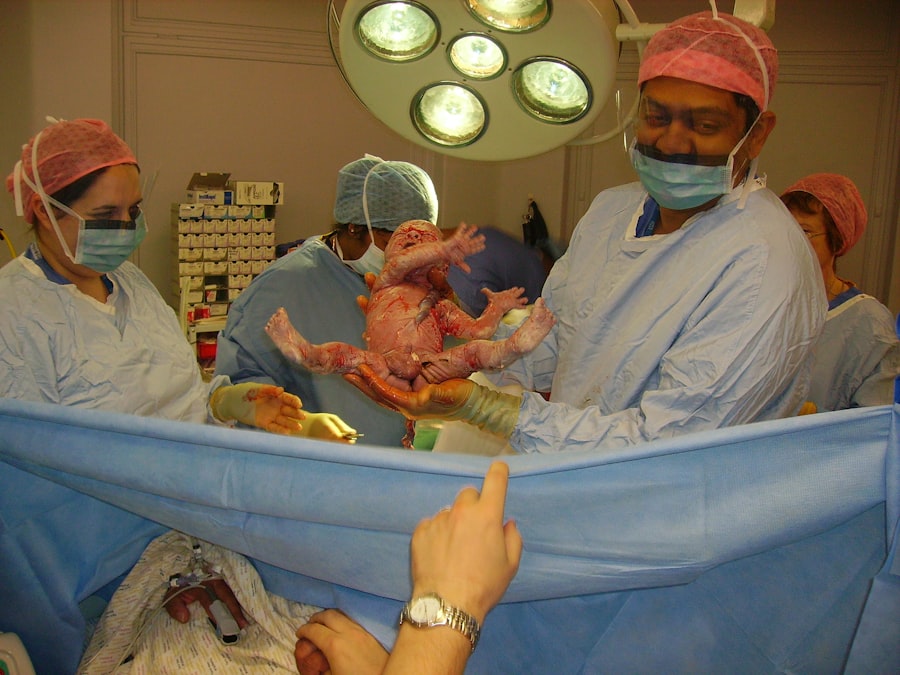
Negotiating a settlement is often a critical phase in a birth injury malpractice claim, as many cases are resolved outside of court through settlement agreements. During this process, both parties engage in discussions regarding compensation for damages incurred due to the alleged negligence. The negotiation phase can be complex and requires careful consideration of various factors, including medical expenses, ongoing care needs, lost wages (if applicable), and pain and suffering.
An experienced attorney will play a vital role in this negotiation process by advocating for fair compensation on behalf of their client. They will typically present evidence supporting the claim’s value, including expert opinions on future medical needs and potential impacts on quality of life. It is essential for families to approach negotiations with realistic expectations while remaining firm on their needs; this balance can often lead to a satisfactory resolution without the need for protracted litigation.
Going to Trial for a Birth Injury Malpractice Claim
If negotiations do not result in an acceptable settlement, families may choose to take their birth injury malpractice claim to trial. This decision can be daunting, as trials can be lengthy and emotionally taxing experiences. However, going to trial may be necessary to achieve justice and secure appropriate compensation for the injuries sustained.
During a trial, both sides present their cases before a judge or jury, who will ultimately determine liability and damages. The trial process involves presenting evidence, calling witnesses (including medical experts), and making legal arguments regarding negligence and causation. The burden of proof lies with the plaintiff (the family), who must demonstrate that negligence occurred and that it directly resulted in harm to their child or themselves.
The outcome of a trial can be unpredictable; however, having an experienced attorney who understands courtroom dynamics can significantly influence the case’s trajectory.
Seeking Support for Families Dealing with Birth Injury Malpractice Claims
Navigating a birth injury malpractice claim can be an overwhelming experience for families already grappling with the emotional toll of their child’s injury. It is essential for families to seek support during this challenging time, both from professionals and from peer support networks. Many organizations offer resources specifically tailored for families dealing with birth injuries, providing information on legal rights as well as emotional support.
Support groups can be invaluable for families seeking connection with others who have faced similar challenges. Sharing experiences with those who understand can help alleviate feelings of isolation and provide practical advice on coping strategies and navigating care needs for affected children. Additionally, mental health professionals specializing in trauma can offer counseling services that help families process their emotions and develop resilience as they move forward with their lives amidst ongoing challenges related to birth injuries.
In conclusion, understanding birth injury malpractice claims requires knowledge of medical standards, recognition of signs of injury, gathering evidence, finding appropriate legal representation, navigating filing processes, negotiating settlements or going to trial, and seeking support throughout this journey. Each step is crucial in ensuring that families receive justice and compensation for their experiences while also addressing their emotional needs during this difficult time.
FAQs
What is birth injury malpractice?
Birth injury malpractice occurs when a healthcare provider’s negligence during pregnancy, labor, or delivery causes harm or injury to a newborn. This can include errors in diagnosis, improper use of medical instruments, or failure to respond to complications.
How do I know if my child’s injury was caused by malpractice?
Determining if a birth injury was caused by malpractice typically requires a thorough review of medical records and expert evaluation. If the injury resulted from a deviation from standard medical care or negligence, it may be considered malpractice.
What types of birth injuries are commonly involved in malpractice claims?
Common birth injuries in malpractice claims include cerebral palsy, Erb’s palsy, brain damage, fractures, and oxygen deprivation (hypoxia or anoxia) during delivery.
Who can file a birth injury malpractice claim?
Usually, the parents or legal guardians of the injured child can file a malpractice claim on behalf of the child. In some cases, the child may also file a claim once they reach the age of majority.
What is the time limit for filing a birth injury malpractice claim?
The statute of limitations varies by state but generally ranges from one to three years from the date the injury was discovered or should have been discovered. Some states have specific rules for minors that may extend the filing period.
What damages can be recovered in a birth injury malpractice claim?
Damages may include medical expenses, rehabilitation costs, pain and suffering, loss of future earnings, and compensation for long-term care needs related to the injury.
Do I need a lawyer to file a birth injury malpractice claim?
While not legally required, it is highly recommended to consult with an experienced birth injury malpractice attorney. They can help evaluate the case, gather evidence, and navigate the complex legal process.
What evidence is needed to support a birth injury malpractice claim?
Key evidence includes medical records, expert medical opinions, birth and delivery reports, and documentation of the child’s injuries and treatment.
Can a birth injury malpractice claim be settled out of court?
Yes, many birth injury malpractice claims are resolved through settlements before going to trial. Settlements can provide compensation without the time and expense of a court case.
What happens if the claim is successful?
If the claim is successful, the injured party may receive financial compensation to cover medical costs, rehabilitation, and other damages related to the birth injury.