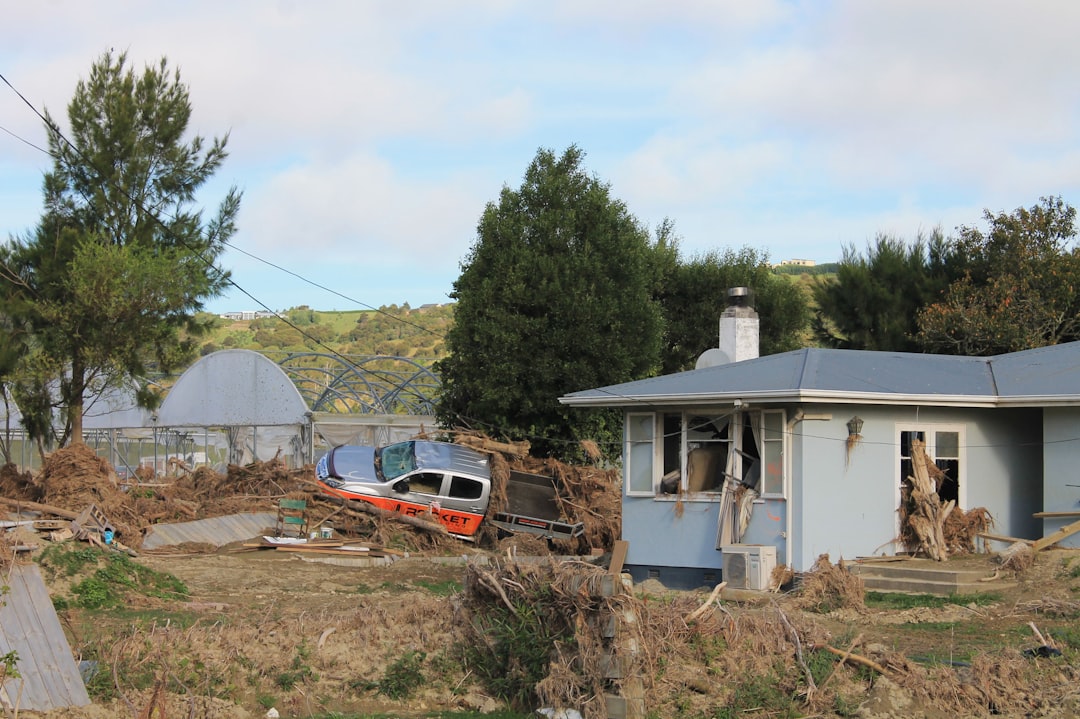
Truck accidents can result in extensive and varied property damage. The most direct form of damage affects the vehicles involved in the collision, including the truck itself and any other vehicles struck during the incident. Damage severity ranges from minor dents and scratches to complete vehicle destruction requiring extensive repairs or total loss declarations.
Due to their size and weight, commercial trucks typically cause significant damage to smaller vehicles, resulting in higher repair costs and more complex insurance claims. Property damage in truck accident claims extends beyond vehicles to include other assets. Roadside infrastructure such as guardrails, traffic signs, and light poles may sustain damage.
In commercial areas, businesses can experience property damage including storefront destruction, signage damage, and inventory loss. For example, if a truck leaves the roadway and strikes a storefront, the business owner may incur substantial repair expenses and lose income during the restoration period. Identifying these various property damage categories is essential for accident victims and their legal representatives when seeking compensation.
Steps to Take Immediately After a Truck Accident
The moments immediately following a truck accident are critical for ensuring safety and preserving evidence. First and foremost, it is essential to check for injuries among all parties involved. If anyone is injured, calling emergency services should be the top priority.
Even if injuries seem minor, it is advisable to seek medical attention as some injuries may not be immediately apparent. Once safety is ensured, moving vehicles out of traffic, if possible, can help prevent further accidents and injuries. After ensuring safety, gathering information becomes paramount.
This includes exchanging contact and insurance details with the truck driver and any other involved parties. Taking photographs of the accident scene is also vital; these images can serve as crucial evidence later on. Capturing various angles of the vehicles involved, any visible damages, and the surrounding environment can provide context for the accident.
Additionally, obtaining contact information from witnesses can bolster a claim by providing third-party accounts of the incident. These initial steps lay the groundwork for a successful property damage claim.
How to Document Property Damage for a Truck Accident Claim

Proper documentation is essential when filing a property damage claim after a truck accident. The first step in this process is to compile all relevant information regarding the accident itself. This includes police reports, which often contain critical details about the incident, such as the time, location, and circumstances surrounding the crash.
Obtaining a copy of this report can provide a solid foundation for your claim. In addition to police reports, photographs play a crucial role in documenting property damage. Clear images of all vehicles involved, showing both the extent of damage and their positions at the scene, can be invaluable.
It is also important to document any other property that may have been affected by the accident. For example, if a truck damaged a fence or landscaping during the incident, taking pictures of these damages will help substantiate your claim. Furthermore, keeping records of repair estimates or invoices from auto body shops can provide concrete evidence of the financial impact of the accident.
Dealing with Insurance Companies for Property Damage Claims
Navigating the insurance claims process after a truck accident can be daunting, particularly when dealing with large trucking companies and their insurers. One of the first steps is to report the accident to your own insurance company as soon as possible. They will guide you through their specific claims process and may require you to provide documentation related to the accident.
It is crucial to be honest and thorough in your communication with them; any discrepancies could jeopardize your claim. When dealing with the trucking company’s insurance provider, it is essential to remain cautious. Insurance adjusters are trained to minimize payouts and may attempt to downplay your claim or shift blame onto you.
It is advisable to avoid giving recorded statements without legal representation present, as these statements can be used against you later on. Instead, focus on providing them with necessary documentation while keeping detailed records of all communications. This includes noting dates, times, and content of conversations with insurance representatives.
Hiring a Lawyer for Property Damage in Truck Accident Claims
| Step | Action | Details | Estimated Timeframe | Important Notes |
|---|---|---|---|---|
| 1 | Document the Damage | Take photos and videos of all property damage at the accident scene. | Immediately after accident | Ensure clear and comprehensive visual evidence. |
| 2 | Notify Insurance Company | Report the accident and property damage to your insurer promptly. | Within 24-48 hours | Provide all documentation and details. |
| 3 | Obtain Repair Estimates | Get multiple repair quotes from certified professionals. | Within 1 week | Use reputable repair shops for accurate estimates. |
| 4 | File a Claim | Submit a formal claim with all supporting documents. | Within 1-2 weeks | Follow insurer’s claim process carefully. |
| 5 | Negotiate Settlement | Discuss claim value and settlement terms with insurer or responsible party. | 1-4 weeks | Consider legal advice if settlement is disputed. |
| 6 | Repair Property | Authorize repairs once settlement is agreed upon. | Varies by repair scope | Keep receipts and records of all repairs. |
| 7 | Follow Up | Ensure all payments and repairs are completed satisfactorily. | Ongoing until resolved | Maintain communication with insurer and repair shops. |
Engaging a lawyer who specializes in truck accident claims can significantly enhance your chances of receiving fair compensation for property damage. An experienced attorney understands the complexities involved in these cases and can navigate the legal landscape on your behalf. They will be familiar with state laws regarding liability and insurance claims, which can vary significantly from one jurisdiction to another.
Moreover, a lawyer can assist in gathering evidence and building a strong case for your claim. They will know what documentation is necessary and how to effectively present it to insurance companies or in court if needed. Additionally, having legal representation can alleviate some of the stress associated with dealing with insurance adjusters and negotiations.
A skilled attorney will advocate for your best interests and ensure that you are not taken advantage of during this challenging time.
Negotiating a Fair Settlement for Property Damage
Negotiating a fair settlement for property damage after a truck accident requires careful preparation and strategy. Once you have gathered all necessary documentation and assessed the extent of your damages, you can begin discussions with the insurance company. It is important to have a clear understanding of your damages’ total value before entering negotiations; this includes repair costs, rental car expenses while your vehicle is being repaired, and any other related expenses.
During negotiations, it is crucial to remain calm and assertive. Present your evidence clearly and confidently while articulating why you believe your claim warrants a specific amount of compensation. Be prepared for counteroffers from the insurance company; they may initially offer less than what you are seeking in hopes of reaching a quick settlement.
It is essential not to accept the first offer without careful consideration; instead, counter with your own proposal based on your documented damages and any additional costs incurred due to the accident.
Filing a Lawsuit for Property Damage in Truck Accident Claims
If negotiations with the insurance company do not yield satisfactory results, filing a lawsuit may become necessary. This process begins by consulting with your attorney to determine whether litigation is appropriate based on your case’s specifics. If you decide to proceed with a lawsuit, your lawyer will file a complaint in civil court outlining your claims against the responsible party.
Once filed, both parties will engage in discovery—a process where evidence is exchanged and witnesses are deposed. This phase can be lengthy but is crucial for building a strong case before trial. If the case does not settle during this period, it will proceed to trial where both sides will present their arguments before a judge or jury.
The outcome will depend on various factors including evidence presented, witness credibility, and legal arguments made by both parties.
Seeking Compensation for Additional Damages in Truck Accident Claims
In addition to property damage, victims of truck accidents may seek compensation for additional damages that arise from their experiences. These can include medical expenses related to injuries sustained during the accident, lost wages due to time off work for recovery, and pain and suffering resulting from physical or emotional trauma. Understanding how these additional damages factor into your overall claim is essential for achieving comprehensive compensation.
To pursue these additional damages effectively, it is important to maintain thorough records of all medical treatments received as well as any related expenses incurred during recovery. This documentation will support your claims for medical costs and lost wages when negotiating with insurance companies or presenting your case in court. Furthermore, discussing these aspects with your attorney can help ensure that all potential damages are accounted for in your claim strategy, maximizing your chances of receiving fair compensation for both property damage and personal injuries sustained in the truck accident.
FAQs
What should I do immediately after a truck accident causes property damage?
After a truck accident, ensure everyone’s safety first and call emergency services if needed. Document the scene by taking photos of the damage, exchange contact and insurance information with the truck driver, and report the accident to the police and your insurance company.
How is property damage assessed in truck accident claims?
Property damage is typically assessed by insurance adjusters or independent appraisers who evaluate the extent and cost of repairs or replacement. They consider factors such as the type of property damaged, repair estimates, and depreciation.
Who is responsible for paying for property damage in a truck accident?
Responsibility depends on fault. If the truck driver or trucking company is at fault, their insurance usually covers property damage. If you are partially at fault, your insurance may cover some costs depending on your policy and state laws.
Can I file a property damage claim separately from personal injury claims?
Yes, property damage claims can be filed separately from personal injury claims. However, it is often advisable to handle both claims together to ensure all damages are accounted for and to streamline the legal process.
What types of property damage are covered in truck accident claims?
Covered property damage typically includes damage to vehicles, personal belongings inside the vehicle, roadside property such as fences or signs, and sometimes damage to cargo being transported.
How long do I have to file a property damage claim after a truck accident?
The time limit to file a claim, known as the statute of limitations, varies by state but generally ranges from one to three years. It is important to file claims promptly to avoid losing the right to compensation.
What if the trucking company denies responsibility for the property damage?
If the trucking company denies responsibility, you may need to gather evidence such as accident reports, witness statements, and expert evaluations. Consulting with an attorney experienced in truck accident claims can help you pursue compensation through negotiation or litigation.
Will my insurance rates increase if I file a property damage claim?
Filing a property damage claim can potentially affect your insurance premiums, depending on your insurer’s policies and the circumstances of the accident. It is advisable to discuss this with your insurance agent before filing a claim.
Is it necessary to hire a lawyer for property damage claims in truck accidents?
While not always necessary, hiring a lawyer can be beneficial, especially in complex cases involving significant damage or disputes over fault. An attorney can help protect your rights and negotiate fair compensation.
How can I ensure I receive fair compensation for property damage?
To receive fair compensation, document all damages thoroughly, obtain multiple repair estimates, keep records of all related expenses, and communicate clearly with insurance adjusters. Legal advice can also help ensure your claim is properly valued.