The history of German castles is a fascinating journey through time, reflecting the socio-political landscape of the region from the early Middle Ages to the present day. The earliest fortifications in Germany can be traced back to the 9th and 10th centuries, when local lords and nobles began constructing wooden structures on elevated ground for defensive purposes. These early castles, known as “Burgs,” were primarily built to protect against invasions and to assert territorial control.
As feudalism took root, these fortifications evolved into more complex stone structures, symbolizing power and authority. By the 12th century, the construction of stone castles became widespread, marking a significant shift in architectural practices. The transition from wood to stone not only enhanced durability but also allowed for more elaborate designs.
Castles began to feature thick walls, towers, and moats, serving both defensive and aesthetic purposes. The rise of the Holy Roman Empire further fueled castle construction, as emperors and princes sought to establish their dominance across the fragmented territories of Germany. This period saw the emergence of iconic castles that would later become symbols of regional identity and pride.
Key Takeaways
- German castles have a rich history dating back to the Middle Ages, with many serving as fortresses, residences, and centers of power.
- Some of the most famous German castles include Neuschwanstein, Heidelberg, and Hohenzollern, each with its own unique history and architectural style.
- German castles showcase a variety of architectural styles, including Romanesque, Gothic, Renaissance, and Baroque, reflecting the country’s diverse cultural influences.
- German castles played a significant role in shaping the country’s history, serving as military strongholds, royal residences, and symbols of power and prestige.
- Some of the best-preserved German castles, such as Burg Eltz and Wartburg, offer visitors a glimpse into medieval life and architecture, making them popular tourist destinations.
The most famous German castles
Among the myriad of castles dotting the German landscape, a few stand out due to their historical significance and architectural grandeur. Neuschwanstein Castle, perhaps the most iconic of them all, is nestled in the Bavarian Alps and was commissioned by King Ludwig II in the 19th century. Its fairy-tale appearance, complete with turrets and picturesque surroundings, has made it a popular tourist destination and an inspiration for various works of art and literature.
The castle’s design reflects a romanticized vision of medieval architecture, despite being built in a time when such styles were considered outdated. Another notable castle is Heidelberg Castle, which overlooks the city of Heidelberg and is renowned for its stunning Renaissance architecture. The castle’s history dates back to the 13th century, and it has been a witness to numerous historical events, including wars and political upheavals.
Its ruins are a testament to its former glory, with visitors drawn to its beautiful gardens and panoramic views of the Neckar River valley. The castle’s rich history is complemented by its role as a center of learning during the Renaissance, making it a significant cultural landmark in Germany.
The architectural styles of German castles
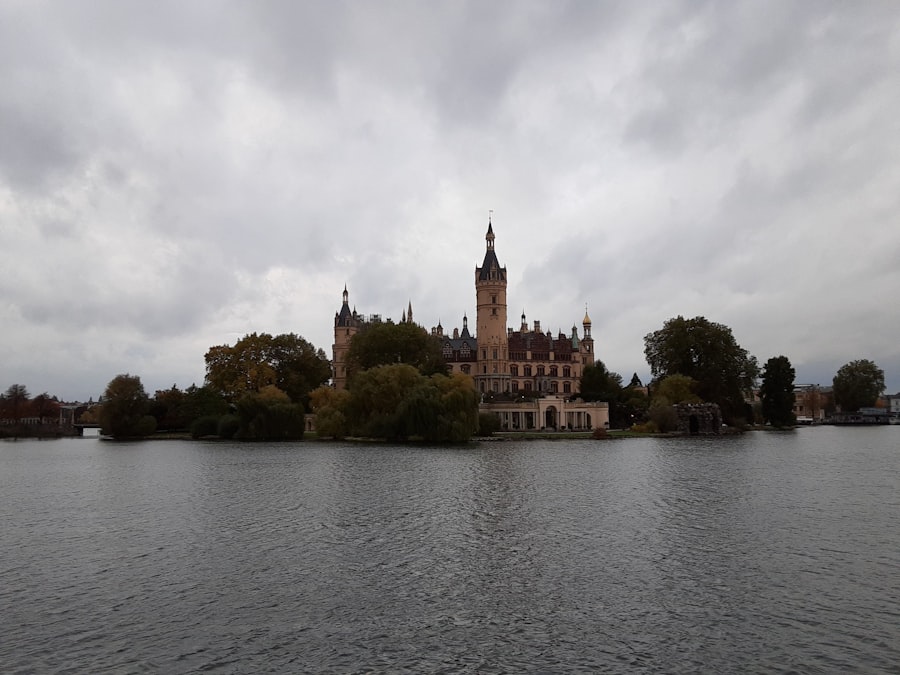
German castles exhibit a diverse range of architectural styles that reflect the various historical periods and regional influences throughout their development. The Romanesque style, prevalent from the 10th to the 12th centuries, is characterized by thick walls, rounded arches, and sturdy towers. This style is exemplified by castles such as Burg Eltz, which showcases robust construction techniques designed for defense against invaders.
As the Gothic period emerged in the late Middle Ages, castles began to incorporate elements such as pointed arches, ribbed vaults, and flying buttresses. This transition is evident in structures like Hohenzollern Castle, which features soaring towers and intricate stonework that exemplify the grandeur of Gothic architecture. The Renaissance brought about further evolution in castle design, with an emphasis on symmetry and classical elements.
Castles like Schloss Ludwigsburg reflect this shift with their elegant facades and meticulously designed gardens. The Baroque period introduced opulence and extravagance to castle architecture, as seen in palaces such as Schloss Nymphenburg in Munich. These structures often featured elaborate decorations, grand staircases, and expansive grounds that served as a backdrop for royal festivities.
The blend of styles across different eras has resulted in a rich tapestry of architectural diversity that defines German castles today.
The role of German castles in history
| Castle Name | Location | Historical Period | Significance |
|---|---|---|---|
| Neuschwanstein Castle | Bavaria | 19th century | Built as a retreat for King Ludwig II and served as inspiration for Disney’s Sleeping Beauty Castle |
| Wartburg Castle | Thuringia | 11th century | Home to St. Elizabeth of Hungary and the place where Martin Luther translated the New Testament into German |
| Heidelberg Castle | Heidelberg | 13th century | One of the most important Renaissance structures north of the Alps and a symbol of German Romanticism |
| Burg Eltz | Rhineland-Palatinate | 12th century | One of the few castles in Germany that has never been destroyed and has been owned by the same family for over 800 years |
Throughout history, German castles have played pivotal roles in shaping the political landscape of the region. Initially constructed as military fortifications, they served as bastions against invasions from rival factions and foreign powers. As feudalism took hold, these castles became centers of power for local lords who governed their territories from within their fortified walls.
They were not merely defensive structures; they also functioned as administrative hubs where justice was dispensed and trade was regulated. The significance of castles extended beyond their military functions; they were also symbols of wealth and prestige. Nobles adorned their castles with luxurious furnishings and art collections, showcasing their status within society.
During times of conflict, many castles became focal points for resistance against invading forces. For instance, during the Thirty Years’ War (1618-1648), numerous castles were besieged or destroyed as various factions vied for control over German territories. The ruins of these once-mighty fortifications serve as reminders of the turbulent history that shaped modern Germany.
The best-preserved German castles
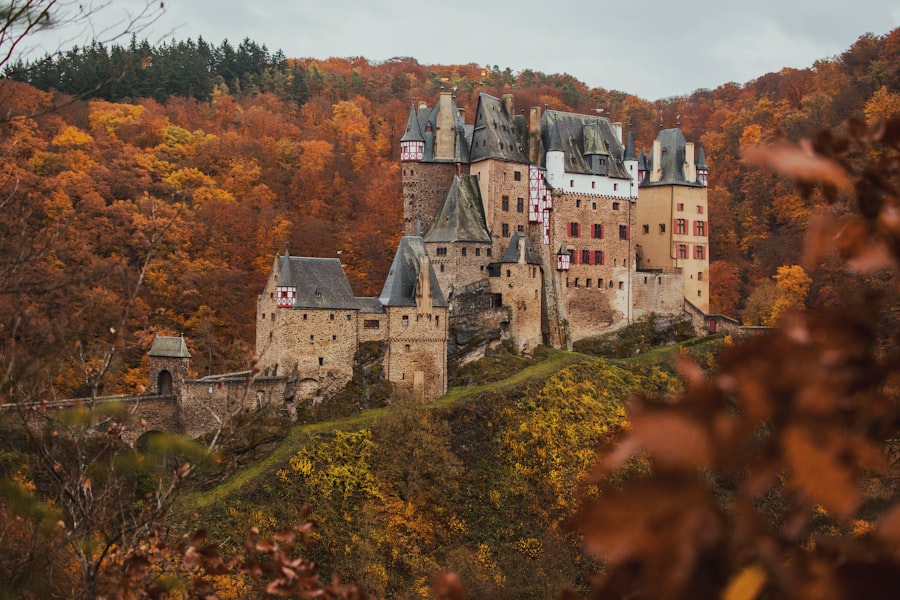
While many German castles have succumbed to the ravages of time or conflict, several have been remarkably well-preserved, allowing visitors to glimpse their former splendor. One such example is Burg Eltz, which has remained in the same family for over 850 years. Nestled in a picturesque valley near Moselkern, this castle boasts an impressive collection of medieval artifacts and offers guided tours that provide insight into its rich history.
Another well-preserved gem is Neuschwanstein Castle, which has been meticulously maintained since its completion in the late 19th century. Despite being a relatively modern construction, it has become an enduring symbol of romantic architecture and attracts millions of visitors each year. Its interiors are adorned with intricate murals and lavish furnishings that reflect King Ludwig II’s vision for a fairy-tale castle.
Schloss Hohenzollern is yet another example of a well-preserved castle that offers a glimpse into Germany’s feudal past. Perched atop a hill in Baden-Württemberg, it features stunning views and an impressive collection of historical artifacts. The castle’s restoration efforts have ensured that its architectural beauty remains intact while providing educational opportunities for visitors interested in its storied history.
The most picturesque German castles
Fairy-Tale Castle in the Bavarian Alps
One such castle is Schloss Neuschwanstein, often described as a fairy-tale castle due to its dramatic setting amidst the Bavarian Alps. Surrounded by lush forests and serene lakes, it offers stunning views that change with the seasons—making it a photographer’s paradise.
A Medieval Gem near Vienna
Another visually striking castle is Burg Kreuzenstein, located near Vienna but often included in discussions about Germanic architecture due to its historical ties. This medieval-style castle is surrounded by rolling hills and dense woodlands, providing a stunning backdrop for its impressive towers and battlements. Visitors can explore its interiors filled with medieval artifacts while enjoying panoramic views of the surrounding countryside.
A Neo-Gothic Villa on the Rhine River
Schloss Drachenburg near Bonn is also noteworthy for its picturesque setting on the banks of the Rhine River. This neo-Gothic villa features ornate decorations and beautifully landscaped gardens that complement its fairy-tale appearance. The combination of architectural elegance and natural beauty makes it one of the most photographed castles in Germany.
The lesser-known German castles worth visiting
While many travelers flock to famous landmarks like Neuschwanstein or Heidelberg Castle, Germany is home to numerous lesser-known castles that offer unique experiences away from the crowds. One such hidden gem is Burg Altena in North Rhine-Westphalia. This medieval castle boasts an impressive history dating back to the 11th century and features an extensive museum showcasing medieval life.
Another lesser-known treasure is Schloss Ortenburg in Bavaria. Perched on a hill overlooking the town of Ortenburg, this castle offers stunning views of the surrounding landscape along with fascinating exhibits on local history. Its well-preserved architecture provides insight into medieval construction techniques while allowing visitors to explore its charming courtyards.
Burg Rabenstein in Saxony-Anhalt is yet another hidden gem worth exploring. This small but enchanting castle is surrounded by dense forests and offers hiking trails that lead to breathtaking viewpoints. Its intimate size allows for a more personal experience compared to larger tourist attractions.
Tips for visiting German castles
When planning a visit to German castles, there are several tips that can enhance your experience and ensure you make the most of your time exploring these historical sites. First and foremost, consider visiting during off-peak seasons or weekdays to avoid large crowds that can detract from your experience. Many popular castles offer guided tours that provide valuable insights into their history; booking these in advance can help you secure your spot.
Dress appropriately for your visit; many castles are situated on hills or require walking through uneven terrain. Comfortable shoes are essential for exploring both the interiors and surrounding grounds. Additionally, be sure to check if photography is allowed inside the castle; some sites may have restrictions on taking pictures to preserve their artifacts.
Lastly, take advantage of local resources such as visitor centers or guided tours that can provide context about each castle’s significance within German history. Engaging with knowledgeable guides can enrich your understanding and appreciation for these magnificent structures that have stood the test of time.
FAQs
What are some of the best castles to visit in Germany?
Some of the best castles to visit in Germany include Neuschwanstein Castle, Heidelberg Castle, Hohenzollern Castle, and Burg Eltz.
What is the most famous castle in Germany?
The most famous castle in Germany is Neuschwanstein Castle, known for its fairytale-like appearance and stunning location in the Bavarian Alps.
Are there any medieval castles to visit in Germany?
Yes, Germany is home to many well-preserved medieval castles, such as Burg Eltz, Wartburg Castle, and Marksburg Castle.
Can visitors tour the interior of these castles?
Yes, many of the castles in Germany offer guided tours of their interiors, allowing visitors to explore the historical rooms, furnishings, and artwork.
Are there any castles in Germany that are UNESCO World Heritage Sites?
Yes, there are several castles in Germany that are designated as UNESCO World Heritage Sites, including Wartburg Castle, Quedlinburg Castle, and the castles of Augustusburg and Falkenlust in Brühl.
What is the best time of year to visit these castles?
The best time to visit the castles in Germany is during the spring and summer months, when the weather is mild and the surrounding landscapes are in full bloom. However, some castles are also beautiful to visit during the fall when the foliage changes color.