Niagara Falls, one of the most iconic natural wonders in the world, straddles the border between the United States and Canada. This breathtaking spectacle consists of three distinct waterfalls: the American Falls, the Bridal Veil Falls, and the Horseshoe Falls, with the latter being the largest and most renowned. The sheer volume of water cascading over the cliffs creates a mesmerizing sight, drawing millions of visitors each year who come to witness its grandeur.
The roar of the water, the mist that envelops the area, and the vibrant rainbows that often appear in the spray combine to create an unforgettable experience. The allure of Niagara Falls extends beyond its visual splendor; it is also steeped in cultural significance and historical importance. For centuries, it has been a site of fascination for indigenous peoples, explorers, and tourists alike.
The falls have inspired countless artists, poets, and writers, serving as a symbol of nature’s raw power and beauty. As a result, Niagara Falls has become not only a natural wonder but also a cultural landmark that embodies the spirit of adventure and exploration.
Key Takeaways
- Niagara Falls is a world-famous natural wonder located on the border of the United States and Canada.
- The history of Niagara Falls dates back thousands of years and has been a popular tourist destination for centuries.
- The geography and formation of Niagara Falls are the result of glaciers and erosion, creating a breathtaking spectacle.
- Visitors can enjoy spectacular views and explore surrounding attractions such as parks, museums, and boat tours.
- The power and energy of Niagara Falls are harnessed for hydroelectricity, providing a sustainable energy source for the region.
The History of Niagara Falls
The history of Niagara Falls is rich and multifaceted, beginning long before European settlers arrived in North America. Indigenous peoples, including the Haudenosaunee and Anishinaabe tribes, revered the falls as sacred sites. They believed that the powerful waters were inhabited by spirits and used the area for spiritual ceremonies and gatherings.
The first recorded European encounter with Niagara Falls occurred in 1678 when French explorer Louis Hennepin arrived and documented his observations. His writings sparked interest in the falls among European settlers and explorers. As the 19th century approached, Niagara Falls began to attract more attention from tourists.
The establishment of railroads made travel to the falls more accessible, leading to a surge in visitors. In 1846, the first hotel was built near the falls, catering to the growing number of tourists seeking to experience its beauty firsthand. The falls also became a site for various technological advancements, including hydroelectric power generation.
In 1881, Nikola Tesla’s work on alternating current at Niagara Falls laid the groundwork for modern electrical systems, showcasing how nature’s power could be harnessed for human use.
The Geography and Formation of Niagara Falls
Niagara Falls is situated on the Niagara River, which connects Lake Erie to Lake Ontario. The formation of the falls is a result of geological processes that have taken place over thousands of years. Approximately 12,000 years ago, during the last Ice Age, massive glaciers carved out the Great Lakes region.
As these glaciers receded, they left behind a landscape that would eventually give rise to Niagara Falls. The unique geological composition of the area includes layers of soft shale and hard limestone, which have eroded at different rates, leading to the dramatic cliffs that define the falls today. The Horseshoe Falls, which is primarily located on the Canadian side, is approximately 2,600 feet wide and plunges about 167 feet into the river below.
The American Falls, while shorter at around 1,060 feet wide and 70 to 100 feet high, presents its own stunning view with a series of jagged cliffs and rock formations. The Bridal Veil Falls, separated from the American Falls by Goat Island, is the smallest of the three but equally captivating. The constant erosion caused by the rushing water means that the falls are continually changing shape and position over time, making them a dynamic natural feature.
The Spectacular Views and Surrounding Attractions
| Attraction | Distance from Location | Rating |
|---|---|---|
| Mountain Peak | 5 miles | 4.5/5 |
| Waterfall | 3 miles | 4/5 |
| Scenic Overlook | 2 miles | 4.8/5 |
Visitors to Niagara Falls are treated to a variety of spectacular viewpoints that showcase the falls’ grandeur from different angles. One of the most popular vantage points is Table Rock, located directly adjacent to Horseshoe Falls. Here, visitors can feel the mist on their faces as they stand just feet away from the thundering water.
Observation decks on both sides of the border provide panoramic views that capture the full scale of this natural wonder. Beyond the falls themselves, there are numerous attractions in the surrounding area that enhance the visitor experience. The Niagara Parks Botanical Gardens offer a serene escape with beautifully manicured gardens and walking paths.
For those seeking adventure, activities such as zip-lining over the gorge or hiking along scenic trails provide an adrenaline rush while allowing visitors to appreciate the natural beauty of the region. Additionally, attractions like Journey Behind the Falls allow guests to venture into tunnels behind Horseshoe Falls for a unique perspective on this powerful cascade.
The Power and Energy of Niagara Falls
Niagara Falls is not only a visual marvel but also a significant source of hydroelectric power. The immense flow of water over the falls generates an astonishing amount of energy—approximately 4 million kilowatts—making it one of the largest sources of hydroelectric power in North America. This energy is harnessed through a series of power plants located on both sides of the border, supplying electricity to millions of homes and businesses.
The development of hydroelectric power at Niagara Falls began in earnest in the late 19th century when engineers recognized its potential as a renewable energy source. The first hydroelectric power plant was built in 1881 on the American side, followed by several others on both sides over subsequent decades. Today, hydroelectricity generated from Niagara Falls accounts for about one-quarter of New York State’s electricity supply.
This sustainable energy source not only highlights human ingenuity but also underscores the importance of preserving natural resources for future generations.
The Maid of the Mist Experience
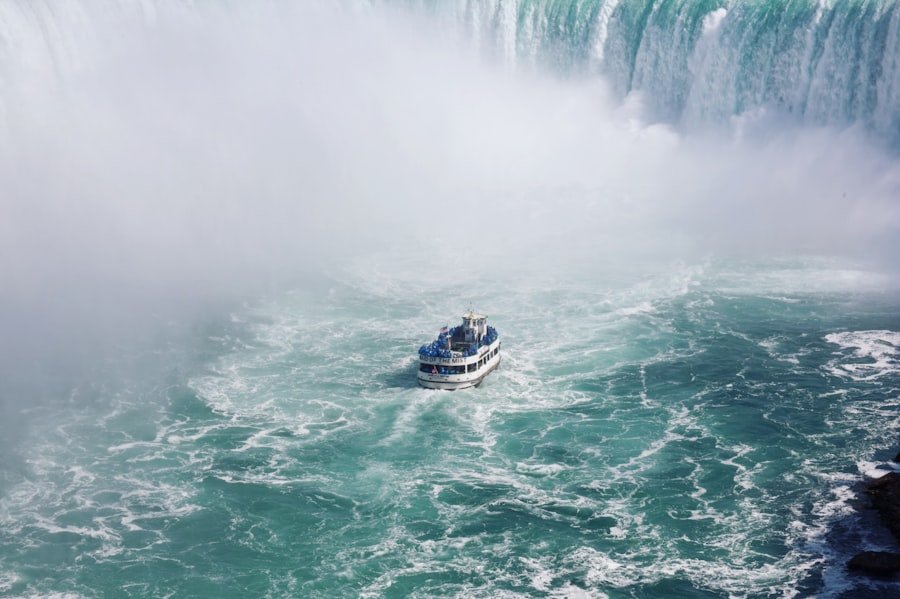
One of the most iconic ways to experience Niagara Falls is through a boat tour on the Maid of the Mist. This legendary vessel has been operating since 1846 and offers visitors an up-close encounter with the falls that is both exhilarating and unforgettable. Passengers don blue ponchos before boarding to protect themselves from the spray as they embark on a journey that takes them right into the heart of Horseshoe Falls.
As the boat approaches the thundering cascade, visitors are enveloped in mist and can feel the sheer power of nature all around them. The roar of water crashing down creates an atmosphere that is both awe-inspiring and humbling. The Maid of the Mist experience allows guests to appreciate not only the beauty of Niagara Falls but also its raw energy and force.
This intimate connection with one of nature’s most magnificent displays leaves an indelible mark on all who partake in this adventure.
The Nighttime Illumination of Niagara Falls
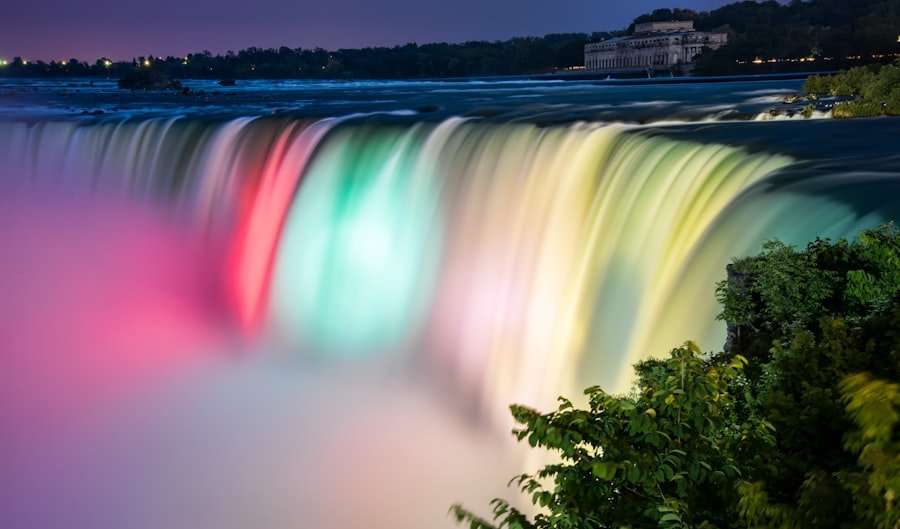
As day turns to night, Niagara Falls transforms into a dazzling spectacle through its nighttime illumination. Since 1925, colored lights have been used to illuminate the falls after sunset, creating a magical atmosphere that enchants visitors. The lights change colors throughout the evening, casting vibrant hues onto the cascading water and enhancing its beauty against the darkened sky.
The illumination is not merely an aesthetic enhancement; it also serves as a backdrop for various events and celebrations throughout the year. Special light shows are often organized for holidays such as Independence Day or New Year’s Eve, drawing large crowds eager to witness this breathtaking display. The combination of light and water creates an ethereal experience that captivates audiences and adds another layer to what makes Niagara Falls so special.
Conservation and Preservation Efforts for Niagara Falls
Recognizing its significance as both a natural wonder and an ecological treasure, various conservation efforts have been implemented to protect Niagara Falls and its surrounding environment. Organizations such as Niagara Parks Commission in Canada and various environmental groups in the United States work tirelessly to ensure that this iconic site remains preserved for future generations. These efforts include habitat restoration projects aimed at protecting local wildlife and maintaining biodiversity in the region.
Additionally, initiatives focused on sustainable tourism practices are being developed to minimize human impact on this delicate ecosystem. Educational programs aimed at raising awareness about environmental conservation are also integral to these efforts. By fostering a sense of stewardship among visitors and locals alike, these programs encourage responsible behavior that helps safeguard Niagara Falls’ natural beauty while allowing people to enjoy its splendor responsibly.
Through these combined efforts, Niagara Falls continues to be celebrated not only for its breathtaking views but also for its ecological significance and cultural heritage. As we look toward the future, it is essential to balance tourism with conservation to ensure that this magnificent natural wonder remains intact for generations to come.
FAQs
What are the best times to visit Niagara Falls?
The best times to visit Niagara Falls are during the summer months (June to August) when the weather is warm and the attractions are open. However, the falls are also beautiful in the spring and fall when the crowds are smaller.
What are the main attractions at Niagara Falls?
The main attractions at Niagara Falls include the Maid of the Mist boat tour, Journey Behind the Falls, Niagara SkyWheel, and the Niagara Parks Butterfly Conservatory. Visitors can also explore the surrounding area, including Niagara-on-the-Lake and the Niagara Wine Region.
What should I wear when visiting Niagara Falls?
It is recommended to wear comfortable clothing and shoes, as well as a waterproof jacket or poncho to protect against the mist from the falls. In the winter, warm clothing is essential.
Are there any safety precautions to be aware of when visiting Niagara Falls?
Visitors should be cautious near the edge of the falls and follow all posted safety guidelines. It is important to stay on designated paths and not climb over barriers. Additionally, visitors should be aware of their surroundings and keep an eye on children at all times.
What are the dining options at Niagara Falls?
There are numerous dining options at Niagara Falls, including restaurants with views of the falls, casual eateries, and fast food outlets. Visitors can enjoy a variety of cuisines, including Canadian, American, and international fare.